 English
 中文简体
中文简体
 русский
 Español

SPECIFICATION MONEY SPECIFICATION MONEY SPECIFICATION MON...
See DetailsGet A Quote
How Precision Wood Milling Cutters Help Manufacturers Improve Machining Efficiency
2026-08-07
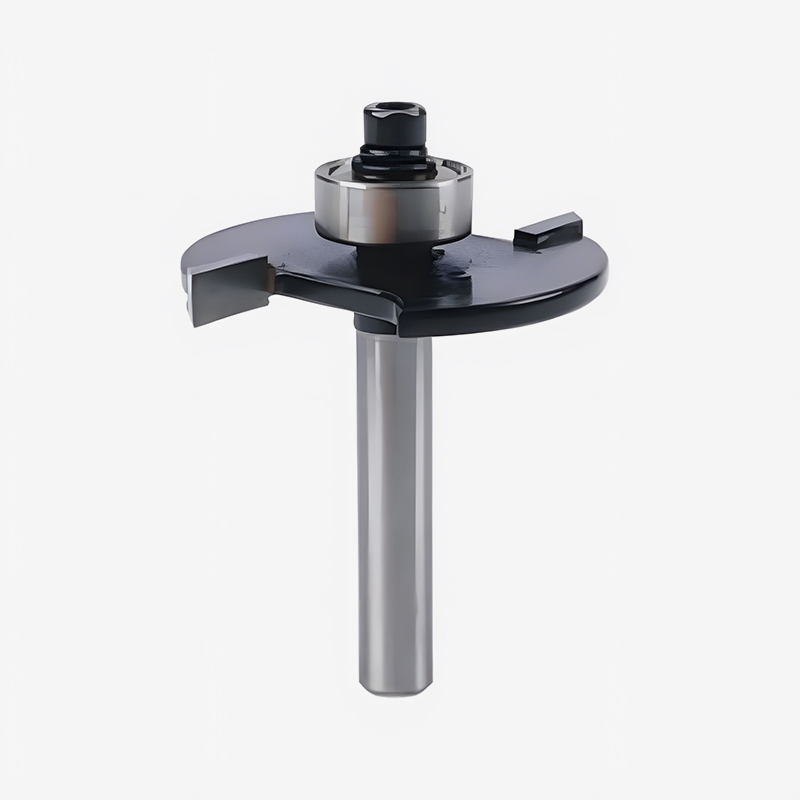
Woodworking manufacturers are facing growing demands for cleaner finishes, stable production, and flexible processing solutions. From furniture production to custom wood components, machining accuracy directly affects product quality and manufacturing costs. As a professional Wood Milling Cutter Factory, we focus on developing cutting tools that help industrial users handle different wood materials, improve machining consistency, and reduce common issues such as rough edges, vibration, and frequent tool replacement.
Meeting the Changing Needs of Modern Wood Processing
The woodworking industry is evolving with the expansion of customized furniture, interior decoration projects, and automated production lines. Overseas buyers and engineers are paying more attention to cutting tool performance because the cutter directly influences production efficiency.
Manufacturers are now looking for wood milling cutters that can adapt to various materials, including solid wood, plywood, MDF, and engineered boards. A suitable cutter design helps achieve smoother cutting results while supporting different machining operations such as profiling, trimming, grooving, and edge processing.
For production managers, choosing the right cutting tool is not only a technical decision but also an important part of controlling operating costs and maintaining stable product quality.
Solving Common Machining Problems in Wood Manufacturing
During daily production, many woodworking companies encounter challenges that affect output quality. Typical problems include uneven cutting surfaces, excessive dust generation, tool wear, and inconsistent processing results.
A properly designed wood milling cutter can help address these concerns through:
For CNC woodworking applications, cutter precision is especially important because even small variations may influence the final assembly and appearance of finished products.
Selecting the Right Cutter for Different Applications
Different woodworking projects require different cutting solutions. Furniture manufacturers may need cutters for detailed edge profiles, while panel processing factories often require tools designed for continuous cutting operations.
Common application areas include:
Engineers usually consider factors such as spindle speed, material hardness, cutting depth, and production volume before selecting a suitable milling cutter. Understanding these conditions helps buyers choose tools that match their equipment and workflow.
Manufacturing Quality Behind Reliable Cutting Performance
As a Wood Milling Cutter Factory, we understand that tool quality depends on every stage of production, from raw material selection to precision machining. Consistent manufacturing processes help ensure that cutters maintain stable dimensions and cutting performance.
Professional buyers often evaluate suppliers based on:
A reliable supplier should not only provide cutting tools but also offer practical solutions based on customers’ production environments.
Supporting Customized Requirements for Global Buyers
Wood processing companies in different regions may use different machines, materials, and production methods. Standard products cannot always meet every application requirement.
Customization services allow buyers to request adjustments in areas such as cutter size, cutting edge design, shank specifications, and application purpose. This flexibility is valuable for manufacturers producing specialized wooden products or operating automated production lines.
For international procurement teams, working with an experienced supplier can simplify sourcing processes and improve communication between engineering and purchasing departments.
Trends Driving Innovation in Woodworking Cutting Tools
Recent industry discussions among woodworking professionals have focused on automation, material efficiency, and sustainable production. Manufacturers are seeking tools that support precise processing while helping reduce material waste.
The development of CNC equipment and digital manufacturing has also increased demand for cutters with reliable performance across long production cycles. Suppliers that understand modern machining requirements can better support factories looking to upgrade their production capabilities.
Building Long-Term Value Through Better Tool Selection
Choosing a suitable cutting tool supplier is an important step for woodworking companies aiming to maintain production stability. Beyond product specifications, buyers should evaluate manufacturing expertise, customization ability, and after-sales technical communication.
A professional Wood Milling Cutter Factory provides more than cutting tools; it delivers machining solutions designed around real production challenges. By selecting the right wood milling cutter supplier, manufacturers can improve processing results, support efficient operations, and build stronger competitiveness in the global woodworking market.
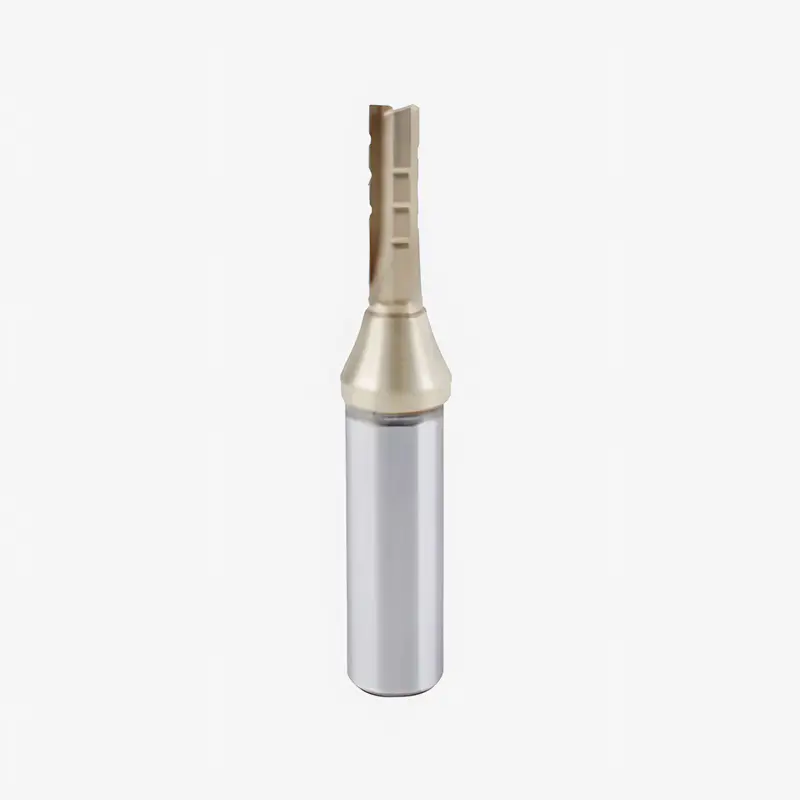
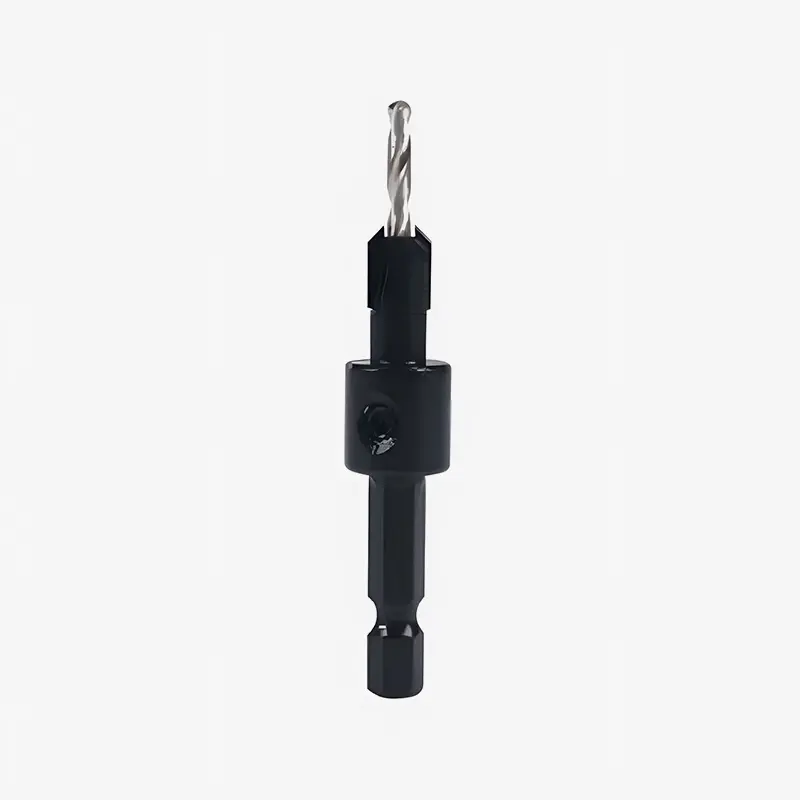
B002-1 CUT CUT DIAMETER BIT DIAMETER SHANK DIAMETER HA...
See Details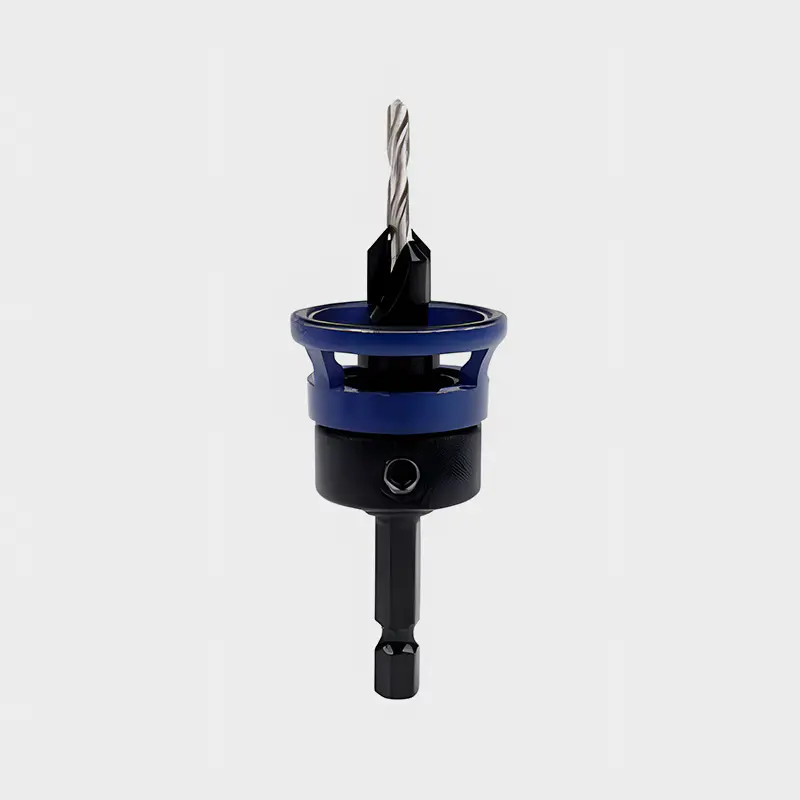
CUT CUTDIAMETER BIT DIAMETER SHANKDIAMETER HANDLELENGTH ...
See Details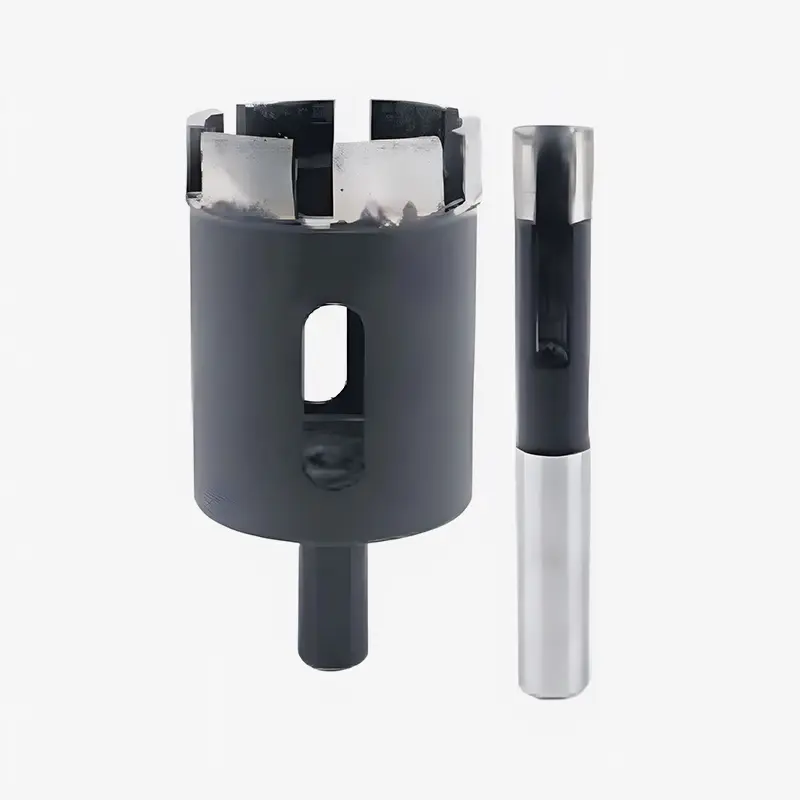
SPECIFICATION LENGTH HANDLE LONG MONEY BOX QTY 6 75 3...
See Details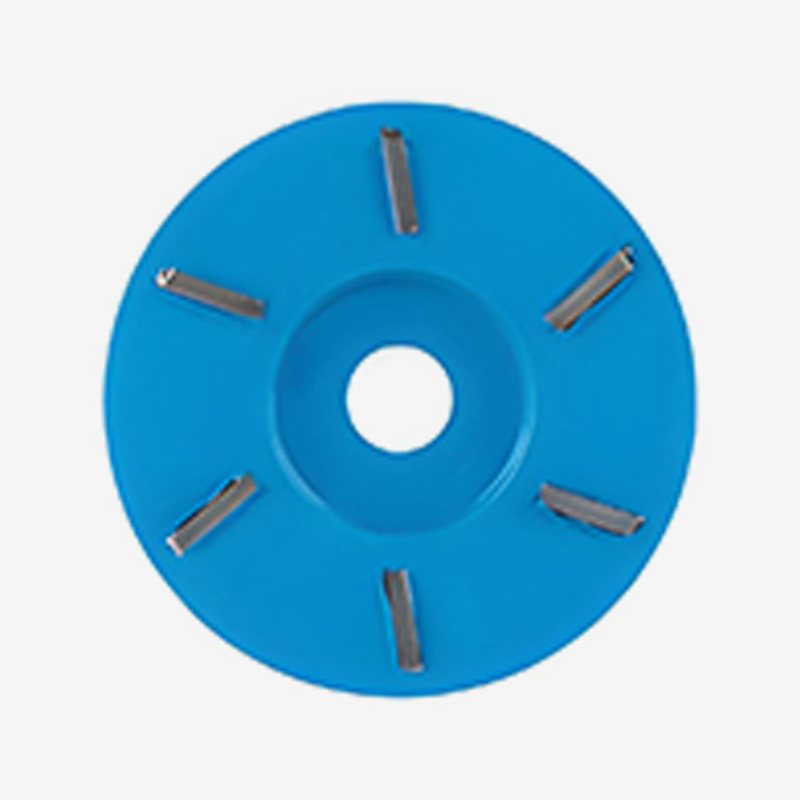
NUMBEROF TEETH CUTTINGTHICKNESS DIAMETER INNERDIAMETER MO...
See DetailsNews and Blogs
Contact
Xiyan Village Industrial Zone, Qingjiang Town, Yueqing City, Zhejiang, China
+(86) 577-62265666 / +(86) 577-62265988
+(86) 13706603579 / +(86) 13757787688
Products
Mobile Terminal