
 English
 中文简体
中文简体
 русский
 Español

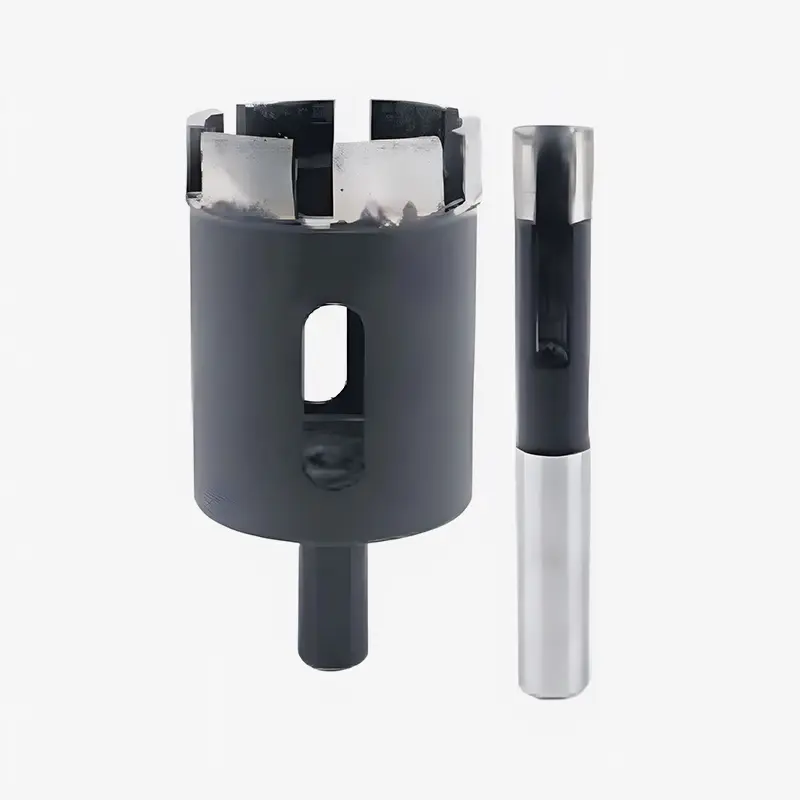
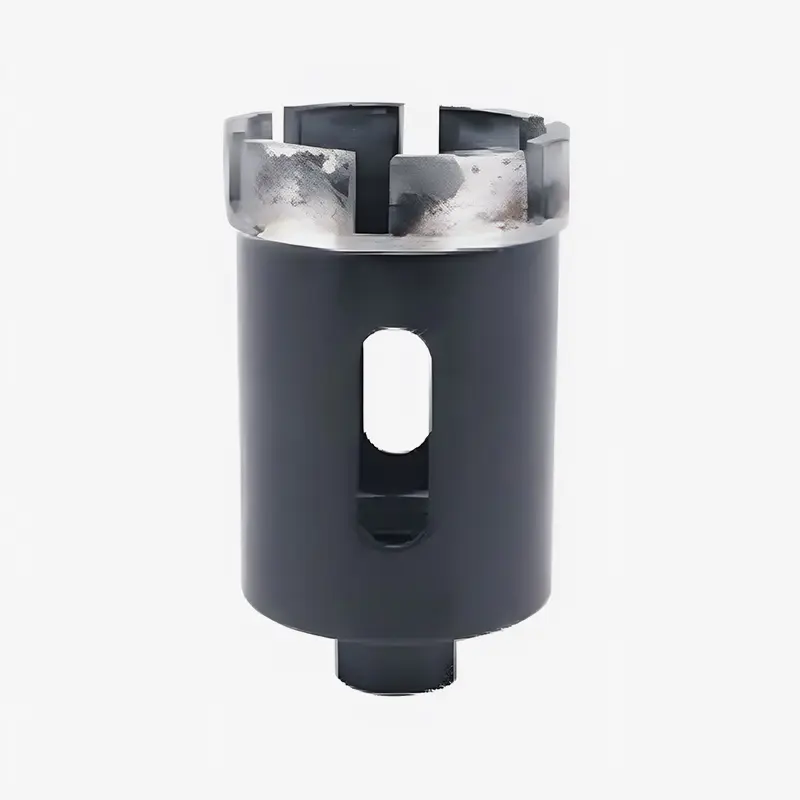
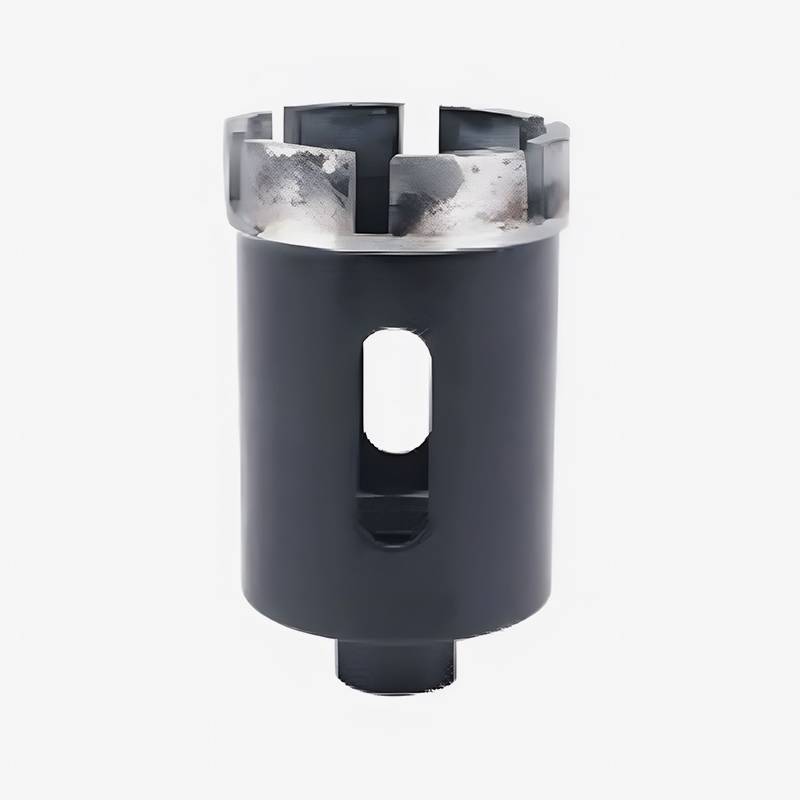
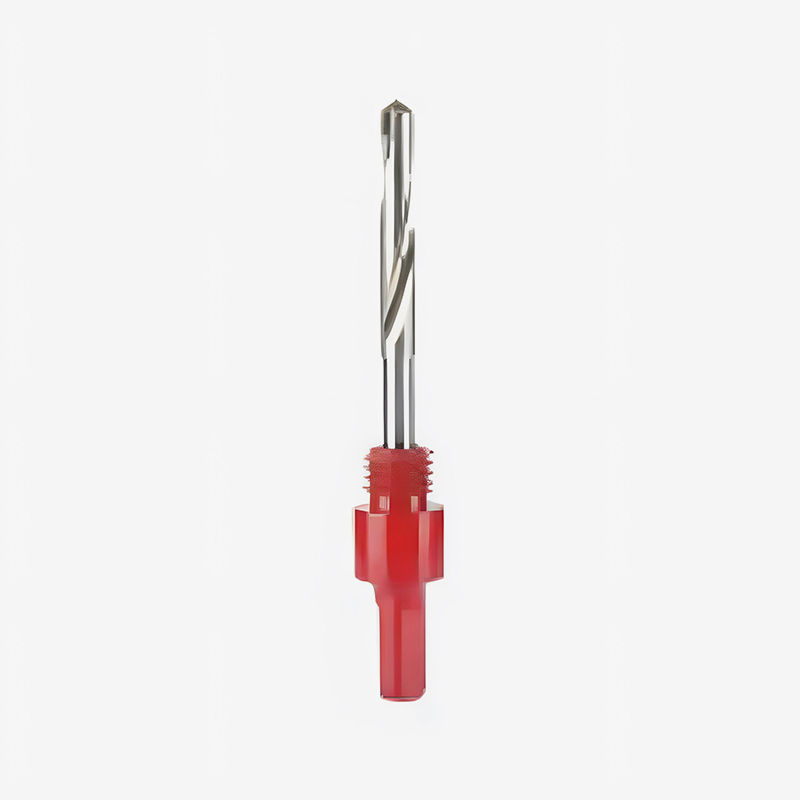
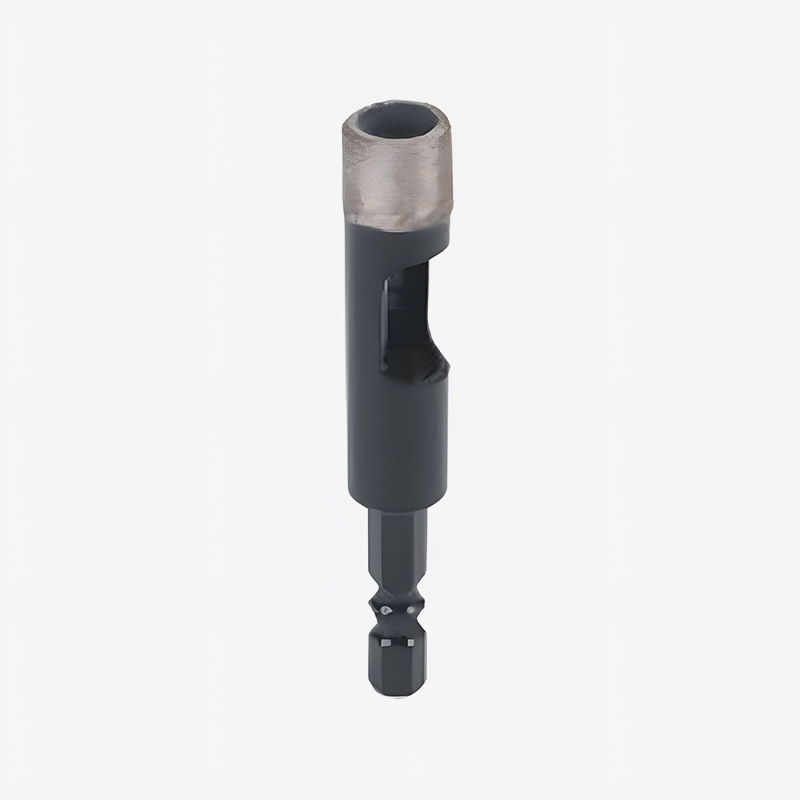
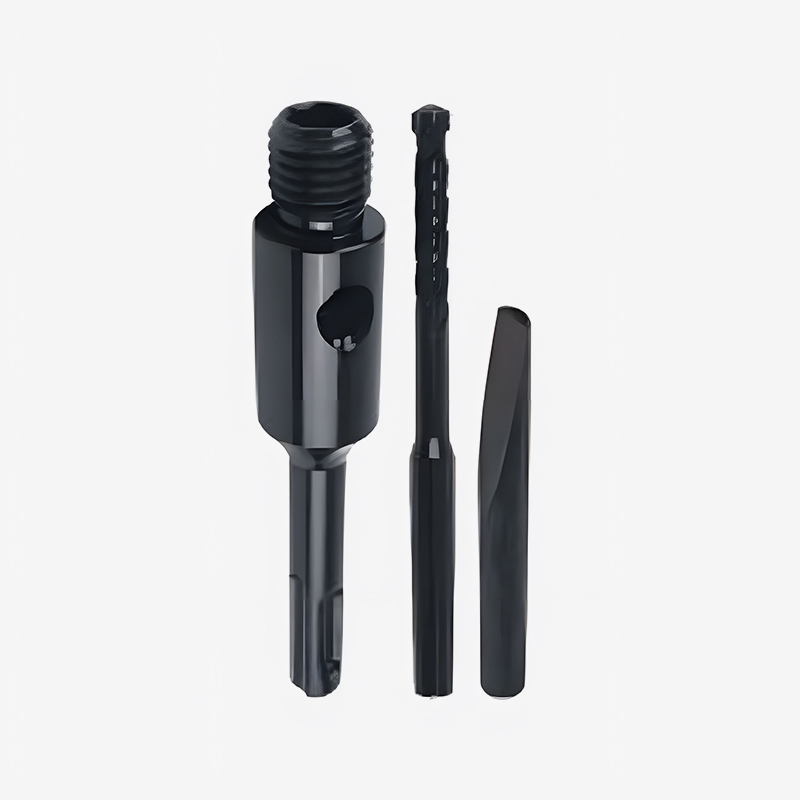
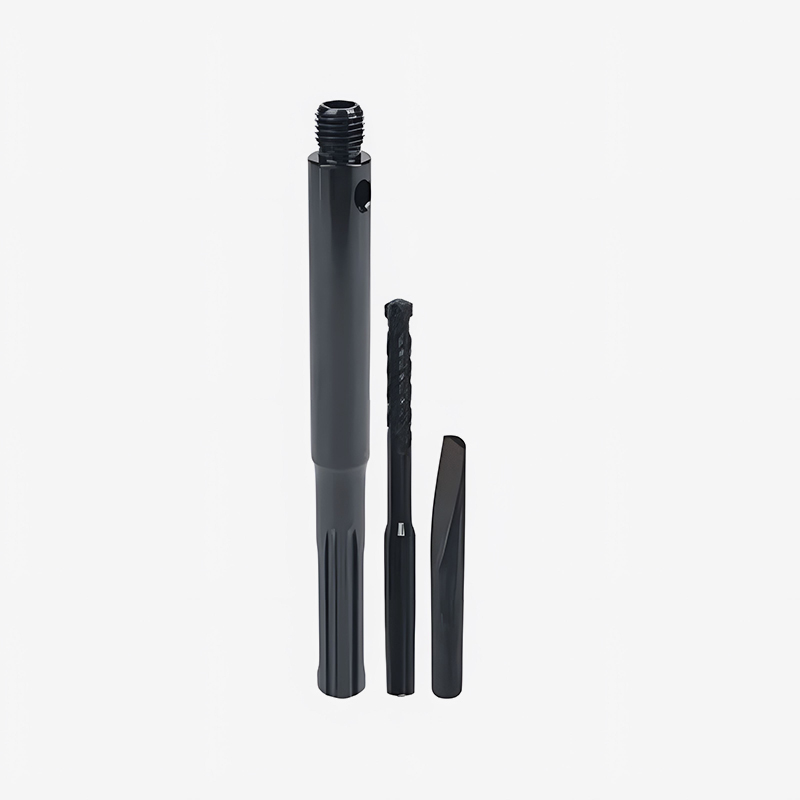
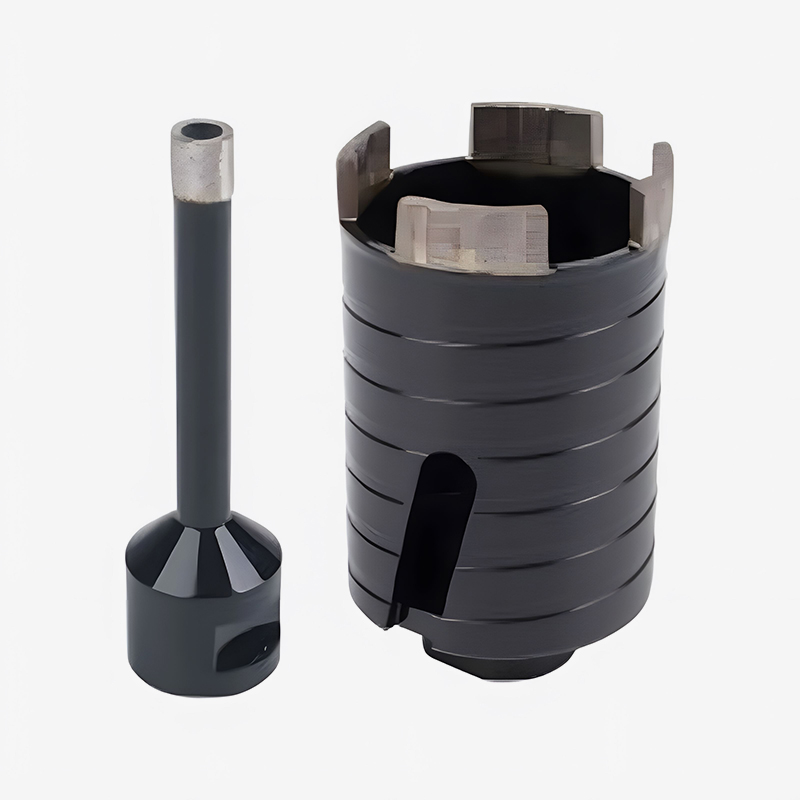
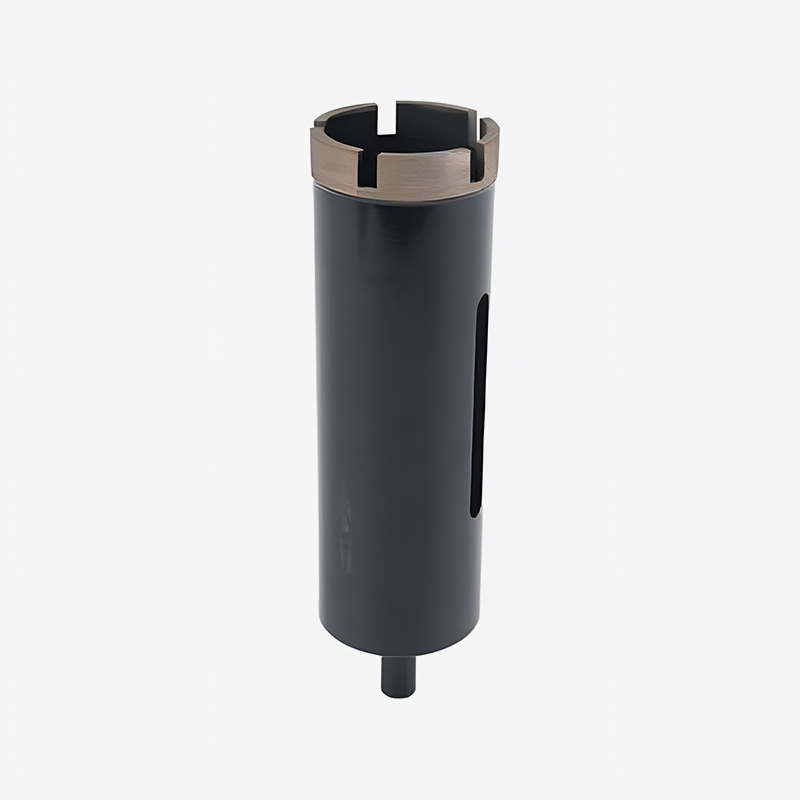
Cutting Hard Stone Materials: Hole Saws for Marble and Diamond Drilling Solutions
Drilling into hard, brittle materials like marble is very different from wood or metal work. Instead of cutting fibers or shaving chips, the tool must manage fracture risk, surface cracking, and heat buildup while maintaining a clean circular cut.
This is why specialized tools such as Hole Saw for Marble, Diamond Hole Saw, and Marble Hole Saw are widely used in construction, stone installation, and interior finishing projects.
These tools are not interchangeable with standard hole saws designed for wood or metal—they rely on abrasive cutting technology rather than traditional tooth cutting.
Hole Saw for Marble: Designed for Clean Entry in Brittle Stone
A hole saw for marble is specifically developed to cut circular openings in marble surfaces without causing edge cracking or surface chipping.
In real installation work, marble is often used for:
- bathroom countertops
- wall cladding
- flooring panels
- decorative interior surfaces
- vanity tops and sinks
Because marble is both hard and brittle, drilling must be controlled and stable. Standard drill bits or metal hole saws tend to create fractures or irregular edges.
Typical applications include:
- faucet installation holes
- plumbing access openings
- pipe routing in stone countertops
- electrical fixture openings
Search intent often reflects installation needs:
- how to drill marble without cracking
- best hole saw for stone countertop
- marble cutting hole saw for sink installation
In practice, cooling water and low-speed drilling are often required to prevent overheating and surface damage.
Diamond Hole Saw: Abrasive Cutting for Maximum Hardness
A diamond hole saw is built using industrial diamond particles bonded to a steel core. Instead of cutting with teeth, it grinds through material using abrasive friction.
This makes it suitable for extremely hard materials such as:
- marble
- granite
- ceramic tile
- porcelain
- quartz stone
- glass (in controlled conditions)
The key advantage of diamond tooling is its ability to maintain cutting performance even on very dense materials where traditional cutting edges would fail quickly.
Common performance characteristics include:
- high wear resistance
- smooth circular cutting
- reduced edge chipping
- stable performance in hard stone materials
Typical search patterns include:
- diamond hole saw for porcelain tile
- marble diamond core drill bit
- wet drilling diamond hole saw set
In real construction environments, diamond hole saws are often used with water cooling systems to extend tool life and improve cutting stability.
Marble Hole Saw: Focused on Precision and Surface Protection
A marble hole saw is specifically optimized for drilling in marble surfaces where appearance quality is critical.
Unlike general stone drilling tools, marble-specific designs prioritize:
- minimal surface cracking
- clean edge finish
- controlled penetration speed
- reduced vibration during cutting
This is especially important in decorative stone applications where visible defects cannot be repaired easily.
Typical usage scenarios include:
- bathroom fixture installation
- luxury interior stone design
- countertop fabrication
- hotel and commercial building finishing
Search intent often includes:
- marble hole saw for sink cutout
- how to cut marble countertop hole
- precision hole saw for marble tile
In practical use, operators often combine slow speed drilling with water lubrication to protect the stone surface.
Diamond vs Standard Hole Saws: A Critical Difference in Cutting Method
Unlike wood or metal hole saws that rely on sharp teeth, diamond hole saws work through grinding action.
This creates several key differences:
Standard hole saws
- use serrated cutting edges
- suitable for wood and soft metals
- unsuitable for brittle stone
Diamond hole saws
- use abrasive diamond coating
- suitable for marble, tile, and granite
- require controlled speed and cooling
This fundamental difference is why diamond-based tools dominate stone drilling applications.
Why Stone Drilling Requires Specialized Tooling
Marble and similar materials fail under stress differently than wood or metal. Instead of bending or deforming, they tend to crack suddenly when stress exceeds their internal structure.
Because of this, stone drilling tools must control:
- vibration levels
- heat buildup
- pressure distribution
- cutting speed stability
Without proper tooling, even small drilling errors can lead to:
- surface fractures
- edge chipping
- material waste
- installation failure
This is why professional installers almost always rely on diamond-based hole saw systems for stone processing tasks.
Final Perspective
Hole saws designed for marble are not general-purpose cutting tools—they are precision abrasive systems built for brittle, high-value materials.
A hole saw for marble ensures controlled cutting in installation environments.
A diamond hole saw provides the abrasive strength needed for hard stone materials.
A marble hole saw focuses on surface quality and precision in visible architectural applications.
In modern construction and interior finishing, stone drilling is no longer about simply making a hole—it is about maintaining material integrity while achieving precise installation results.


