
 English
 中文简体
中文简体
 русский
 Español

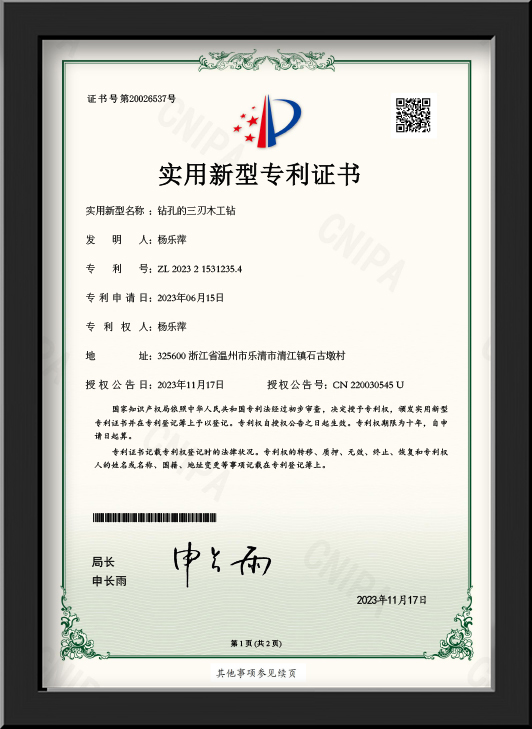
Drilling Into Walls and Concrete: Understanding SDS, Wall, and Carbide Masonry Drill Bits
In construction and installation work, drilling into walls is one of the most frequent yet technically demanding tasks. Whether it is brick, concrete, block, or reinforced masonry, the challenge is always the same: high resistance, unpredictable internal structure, and risk of cracking or overheating.
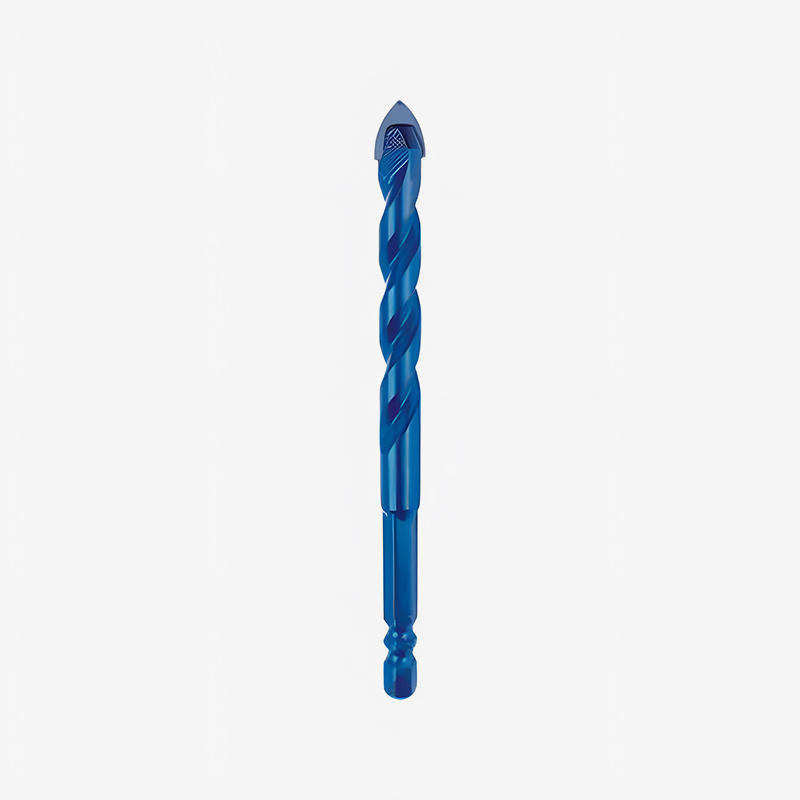
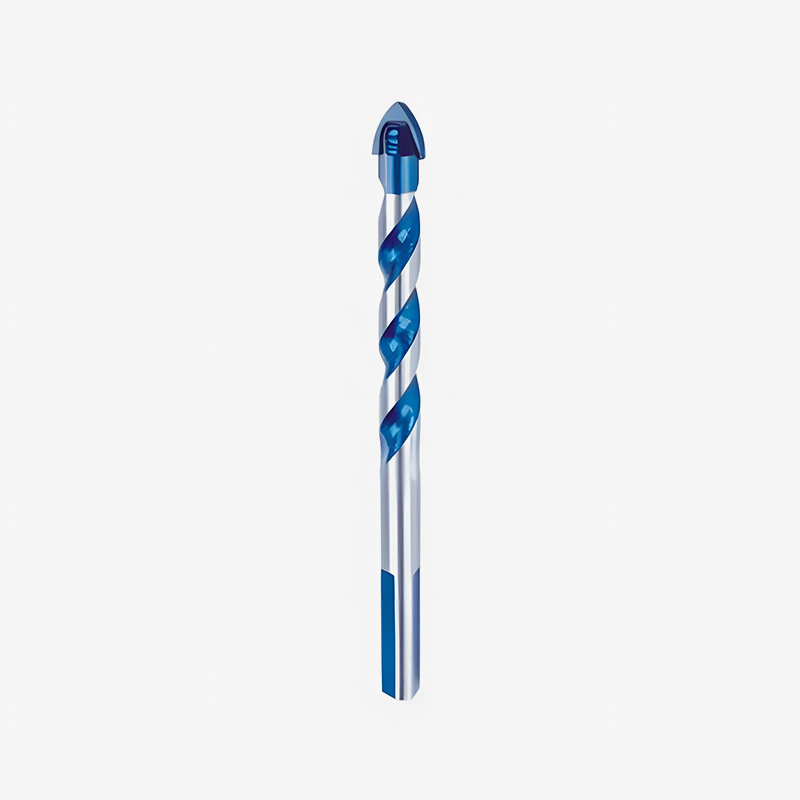
This is why tools like Multi-Purpose Wall Drill Bit, Carbide Masonry Drill Bit, and SDS Drill Bit are widely used across professional construction, renovation, and installation industries. Each one is designed for a different level of impact force, material hardness, and drilling system compatibility.
Multi-Purpose Wall Drill Bit: One Tool for Mixed Wall Materials
A multi-purpose wall drill bit is designed for situations where wall materials are not consistent. In real buildings, walls often include combinations such as:
- brick + plaster
- concrete + paint layers
- hollow blocks + mortar joints
- tile surfaces over cement
Instead of switching between multiple specialized bits, a multi-purpose wall drill bit is built to handle these variations in a single workflow.
It is commonly used for:
- home renovation drilling
- electrical fixture installation
- light-duty construction anchoring
- mounting shelves and brackets
The main advantage is flexibility during unpredictable drilling conditions.
Search intent often includes:
- best drill bit for mixed wall materials
- multi-purpose wall drill bit for home use
- drill bit for brick and concrete wall
In practical use, these bits help reduce tool changes, especially in renovation environments where wall composition is unknown.
Carbide Masonry Drill Bit: Built for Hard and Abrasive Surfaces
A carbide masonry drill bit is designed for tougher drilling environments where standard steel bits would quickly wear out or fail.
The carbide tip provides:
- higher hardness
- better abrasion resistance
- improved heat tolerance
- longer service life
These features make it suitable for drilling into:
- concrete walls
- solid brick
- cement blocks
- stone-based materials
- reinforced masonry surfaces
In construction environments, carbide masonry bits are often preferred because they maintain cutting stability even under continuous impact.
Common search behavior includes:
- carbide drill bit for concrete wall
- best masonry drill bit for brick drilling
- heavy duty carbide wall drill bit
For contractors, durability often matters more than initial tool cost because it directly affects productivity and downtime.
SDS Drill Bit: Designed for High-Impact Drilling Systems
An SDS drill bit is not just defined by its cutting head, but by its shank system, which is designed for hammer drilling machines.
SDS (Slotted Drive System) allows:
- stronger impact energy transfer
- secure bit locking without slippage
- efficient drilling in dense materials
- reduced operator fatigue
SDS drill bits are typically used with rotary hammer drills, making them standard tools in professional construction.
They are widely used for:
- concrete anchoring
- structural drilling
- heavy masonry work
- installation of expansion bolts
- infrastructure construction tasks
Search intent often includes:
- SDS drill bit for concrete drilling
- best SDS masonry drill bit set
- heavy duty SDS hammer drill bit
In real job-site conditions, SDS systems significantly improve drilling efficiency compared to standard chuck systems.
How These Three Drill Bit Types Work Together in Real Construction
Although these drill bits are categorized differently, they often exist within the same workflow depending on job requirements.
Multi-Purpose Wall Drill Bit
Best for:
- mixed wall materials
- light renovation work
- general installation tasks
Carbide Masonry Drill Bit
Best for:
- hard brick and concrete
- frequent drilling operations
- long-term durability needs
SDS Drill Bit
Best for:
- high-impact drilling systems
- professional construction work
- deep or structural drilling
In practice, contractors often carry all three types to handle different site conditions efficiently.
Why Wall Drilling Requires Specialized Tooling
Walls are not uniform materials. Even within the same structure, density can change due to:
- reinforcement bars
- hollow sections
- layered coatings
- mortar joints
Because of this variability, drilling requires tools that can adapt to both impact force and material resistance.
Without proper tooling, common issues include:
- bit overheating
- tip breakage
- wall cracking
- slow penetration speed
- inaccurate hole positioning
This is why carbide tips and SDS systems are widely adopted in professional construction environments.
Final Perspective
Multi-purpose wall drill bits, carbide masonry drill bits, and SDS drill bits each address different challenges in wall drilling applications.
Multi-purpose wall bits focus on flexibility across mixed materials.
Carbide masonry bits deliver durability for hard and abrasive surfaces.
SDS drill bits provide high-impact efficiency for professional drilling systems.
In modern construction work, drilling performance is not only determined by the power tool itself, but by how well the drill bit matches the structure, density, and complexity of the wall being drilled.


