
 English
 中文简体
中文简体
 русский
 Español

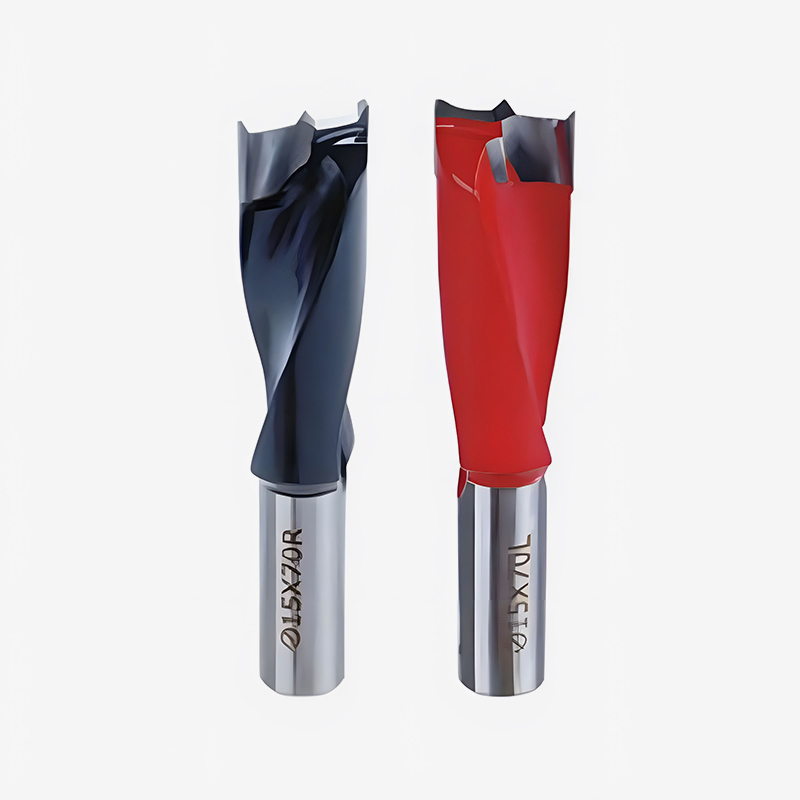
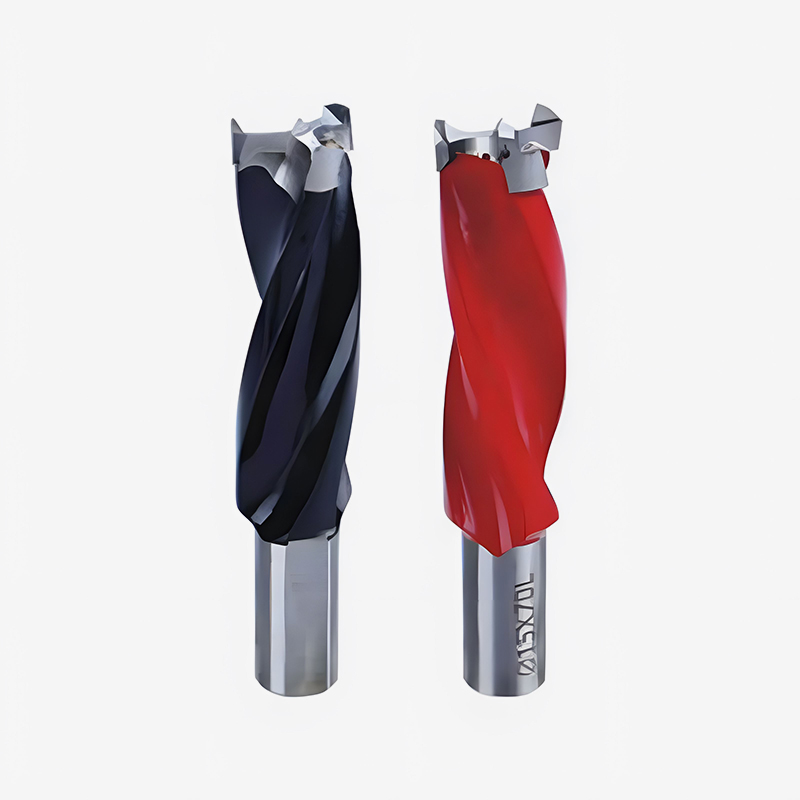
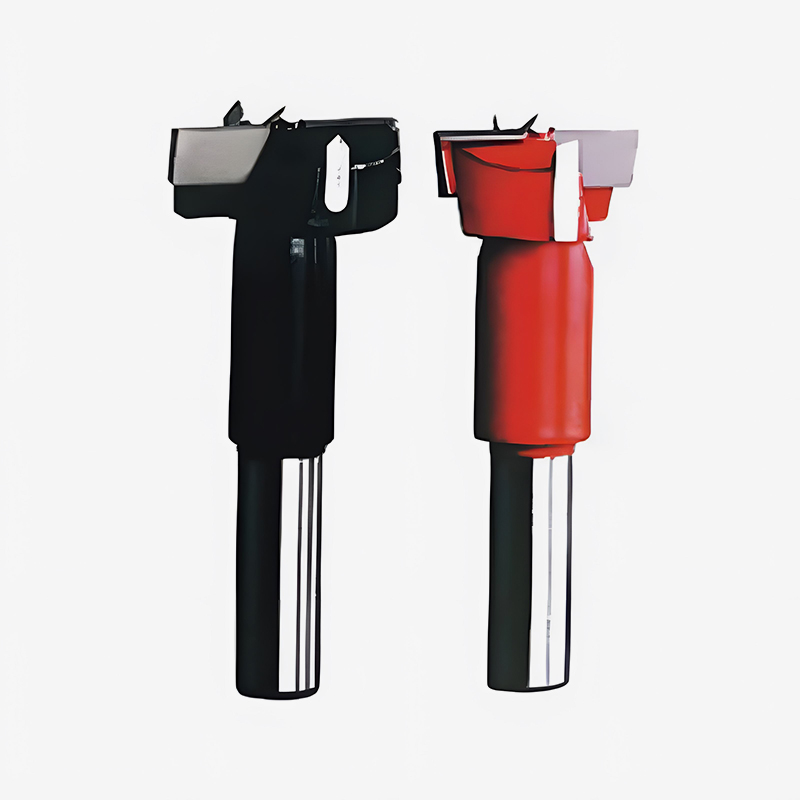
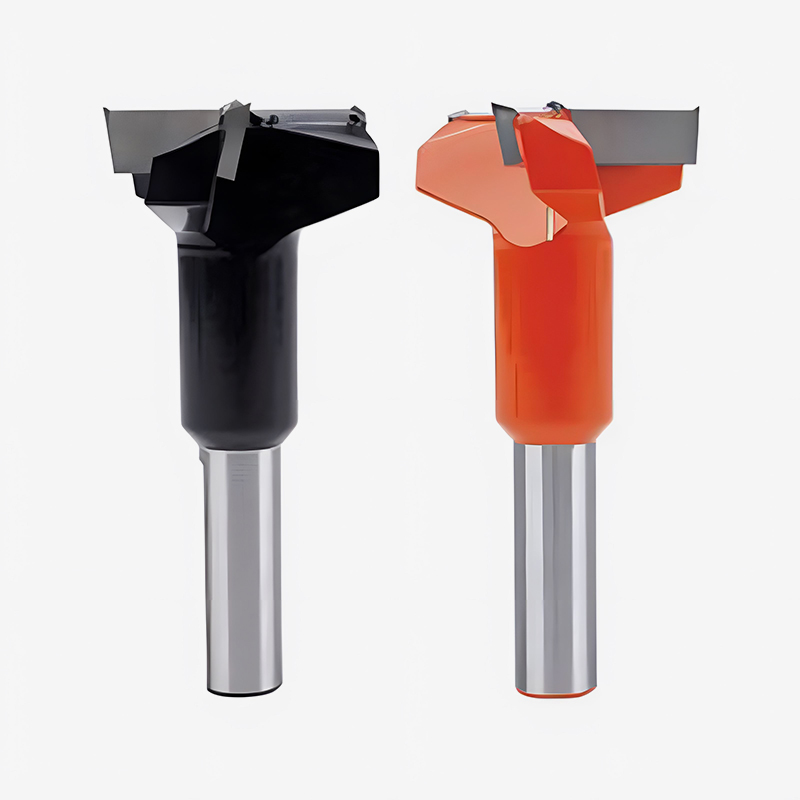
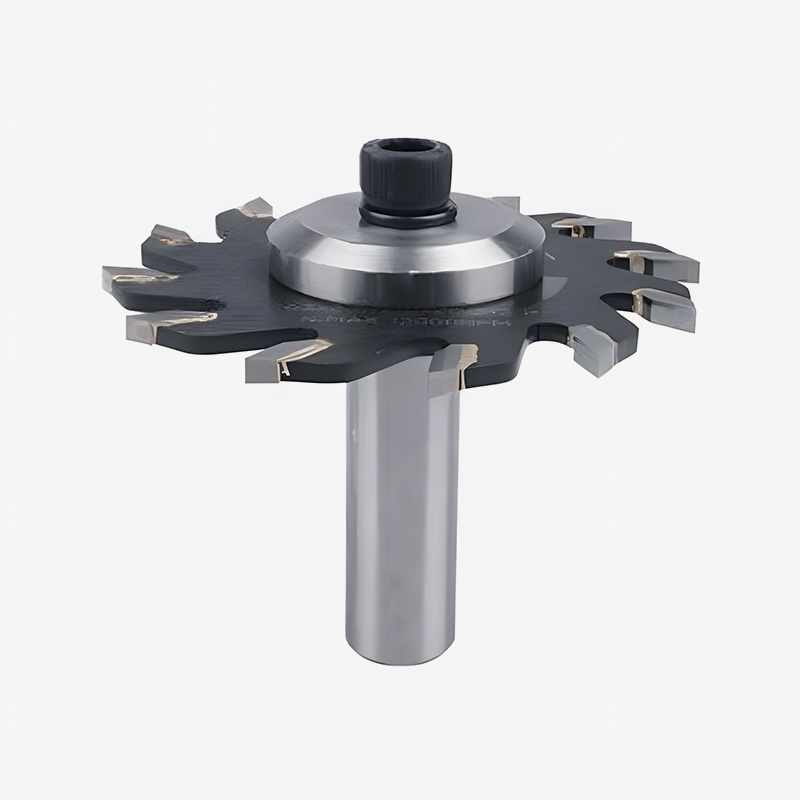
Precision Wood Drilling Tools Are Becoming More Important in Modern Woodworking
In woodworking production, drilling is no longer treated as a simple secondary process. Whether in furniture manufacturing, cabinet assembly, timber construction, or CNC woodworking, hole accuracy directly affects installation quality, structural alignment, and production efficiency.
Because of this, specialized drilling tools such as Row Drill Bit, Wood Boring Drill Bits, and Woodworking Boring Bit continue gaining attention across professional woodworking markets.
Unlike general-purpose drill bits, these tools are designed specifically for controlled wood drilling applications where clean holes, positioning accuracy, and stable cutting performance are critical.
Row Drill Bits Are Commonly Used for Line Boring Operations
Row drill bits are widely used in furniture and cabinet production where multiple holes must be drilled in precise alignment.
In practical manufacturing environments, they are often installed on:
- multi-spindle boring machines
- CNC drilling centers
- cabinet line boring systems
- woodworking production equipment
Their primary function is to maintain:
- consistent hole spacing
- smooth drilling quality
- accurate positioning
- efficient repetitive drilling
This becomes especially important in:
- cabinet hinge installation
- shelf pin hole production
- modular furniture assembly
- panel processing systems
Compared with ordinary drill bits, row drill bits are optimized for high-frequency woodworking operations requiring stable repeatability.
Search behavior commonly includes:
- row drill bit for woodworking machines
- line boring drill bits for cabinets
- multi spindle woodworking drill bit
For industrial woodworking applications, drilling consistency often matters more than maximum cutting speed.
Wood Boring Drill Bits Are Designed for Deep and Clean Wood Penetration
Wood boring drill bits are engineered specifically for drilling larger or deeper holes in wood materials.
Unlike standard twist drill bits, boring bits typically focus on:
- faster chip removal
- reduced clogging
- cleaner hole walls
- smoother penetration
They are widely used across:
- timber construction
- carpentry work
- furniture production
- utility installation
- wood framing applications
Depending on the drilling requirement, wood boring drill bits may include:
- auger-style bits
- spade boring bits
- self-feed bits
- brad point boring bits
Different structures are selected based on:
- drilling depth
- wood hardness
- hole diameter
- machine compatibility
Common search intent includes:
- best wood boring drill bits
- deep hole wood drill bits
- heavy duty boring bits for timber
In practical use, efficient chip evacuation is one of the most important factors affecting drilling performance in wood materials.
Woodworking Boring Bits Help Improve Machining Accuracy
Woodworking boring bits are commonly used when cleaner finishes and more controlled drilling results are required.
In furniture and panel processing industries, rough or inaccurate holes can create:
- assembly misalignment
- unstable fittings
- visible surface damage
- reduced production accuracy
Because of this, woodworking boring bits are often designed with:
- center positioning tips
- sharper cutting edges
- optimized flute structures
- anti-tear-out geometries
These features help improve:
- drilling precision
- entry hole cleanliness
- smoother cutting performance
- dimensional consistency
Applications commonly include:
- hinge cup drilling
- dowel hole production
- precision furniture assembly
- laminated board drilling
Search demand often includes:
- woodworking boring bit for hinge drilling
- precision wood boring drill bit
- carbide boring bits for furniture manufacturing
For professional woodworking operations, hole quality directly influences final assembly performance.
CNC Woodworking Is Increasing Demand for Specialized Boring Tools
As CNC woodworking equipment becomes more common, boring tools are evolving alongside automated production systems.
Modern CNC drilling environments require tooling capable of handling:
- higher spindle speeds
- continuous operation
- precise positioning
- repetitive machining cycles
Because of this, manufacturers increasingly focus on:
- carbide-tipped boring bits
- heat-resistant materials
- vibration reduction
- longer tool lifespan
Industrial users often prioritize tooling that can maintain consistent drilling quality across large production batches.
This trend is especially visible in:
- modular furniture manufacturing
- custom cabinet production
- automated panel processing
- industrial woodworking lines
Professional Buyers Are Paying More Attention to Drilling Consistency
In woodworking production, drilling quality directly affects downstream processes such as assembly, hardware installation, and finishing.
Poor-quality boring bits may cause:
- edge chipping
- inaccurate hole depth
- tool overheating
- excessive wear
- inconsistent positioning
As a result, distributors and industrial buyers increasingly evaluate:
- grinding precision
- carbide quality
- heat treatment stability
- production consistency
- CNC compatibility
Reliable boring tools help reduce production interruptions while improving machining efficiency.
Specialized Wood Drilling Tools Continue Expanding Across Industrial Markets
As woodworking production standards continue rising, drilling tools are becoming more specialized for different machining environments.
Row drill bits support high-precision line boring systems in furniture manufacturing. Wood boring drill bits improve deep drilling efficiency in timber and carpentry applications. Woodworking boring bits help deliver cleaner and more accurate drilling results for professional assembly work.
In modern woodworking industries, drilling tools are no longer viewed as simple accessories. They have become essential components in maintaining machining precision, workflow efficiency, and production consistency.


