
 English
 中文简体
中文简体
 русский
 Español

Inside the Modern Router Bit Industry: How Tooling Choices Affect Woodworking Efficiency
The woodworking tooling market has changed significantly over the last few years. Router bits are no longer viewed as simple consumables used for trimming edges or cutting grooves. In professional workshops and CNC production lines, they have become part of the machining system itself.
As engineered wood panels, laminated boards, and automated CNC equipment become more common, buyers now pay closer attention to tooling lifespan, cutting stability, and machining precision. This is why search demand around terms like Woodworking Router Bit Set, Router Bits Factory, Router Bit Manufacturer, and Wood Milling Cutter Factory continues to expand globally.
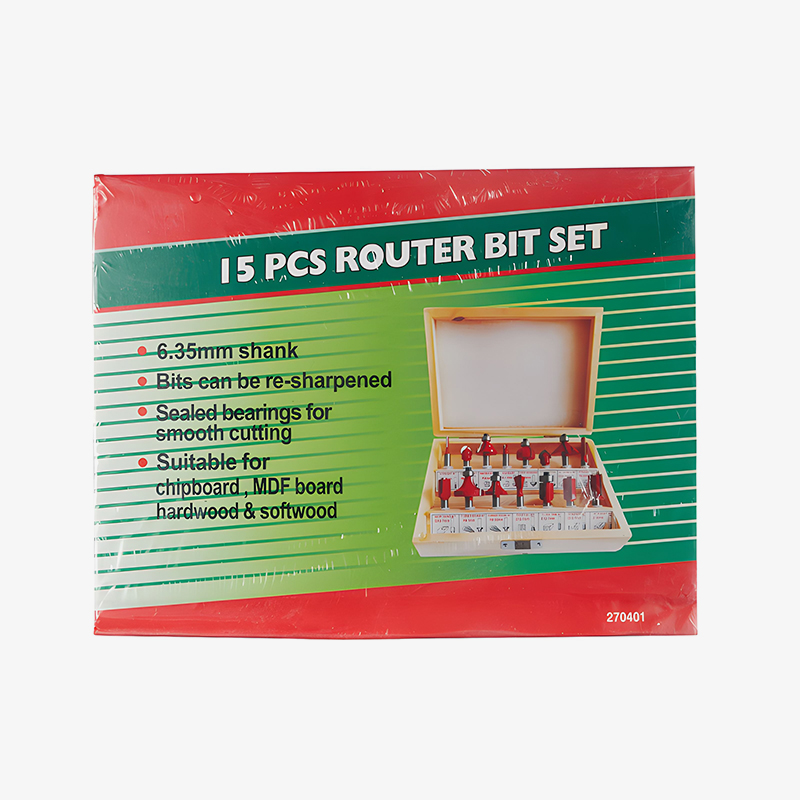
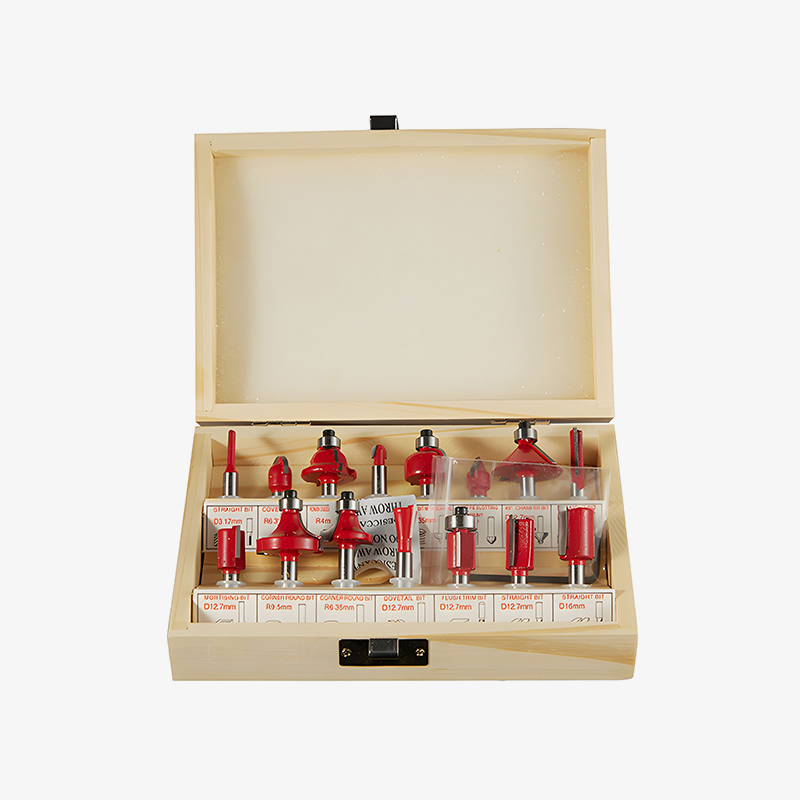
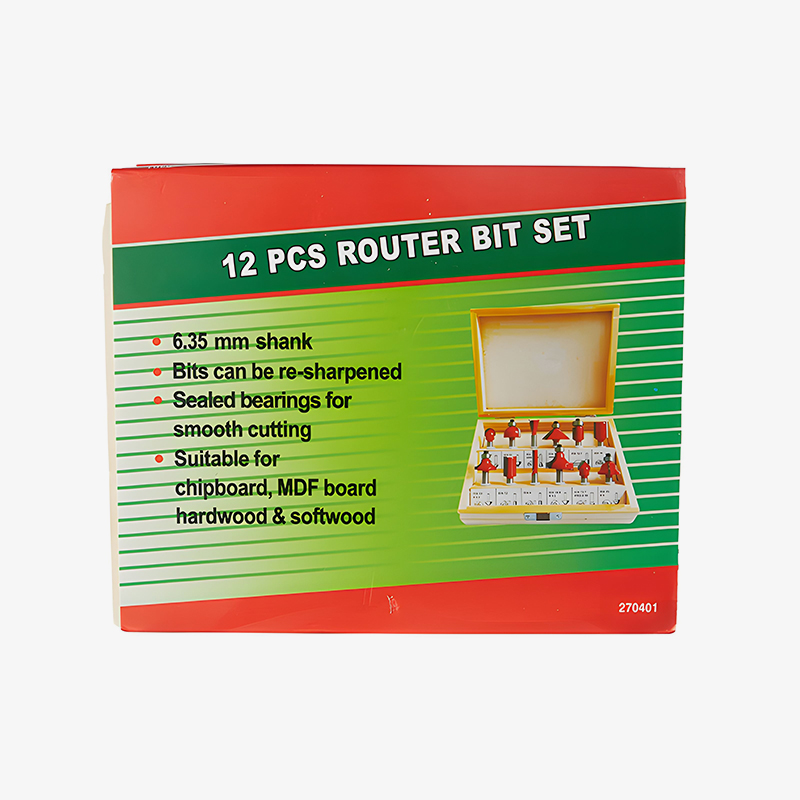
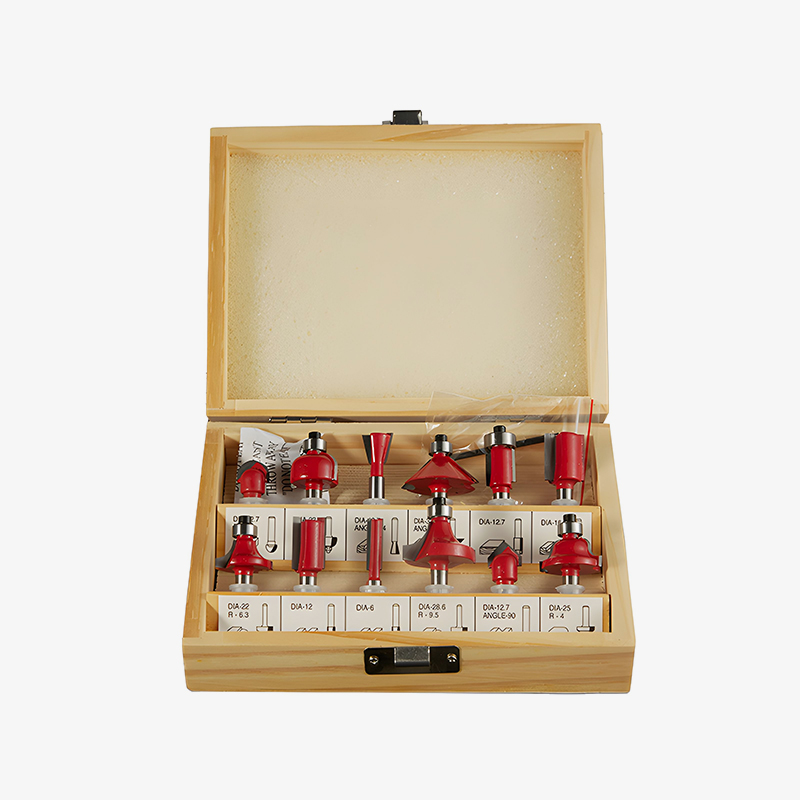
Woodworking Router Bit Sets Remain Popular in Practical Workshop Applications
In many woodworking environments, production tasks change constantly throughout the day. One project may require decorative edging, another may involve groove cutting, while cabinet work often combines trimming, chamfering, and joinery processing in the same workflow.
Because of this, woodworking router bit sets remain widely used across:
- furniture workshops
- cabinet factories
- renovation projects
- woodworking schools
- DIY studios
Instead of preparing individual tools for every operation, users can organize common cutting profiles within a single tooling system.
Popular router bit set configurations often include:
- straight bits
- flush trim bits
- round over bits
- dovetail bits
- V-groove bits
- edge forming cutters
Online search behavior around these products usually reflects application-focused intent:
- router bit set for cabinet making
- professional woodworking router bit kit
- carbide router bit set for hardwood
For many buyers, the goal is not simply variety, but reducing setup interruptions during woodworking tasks.
Router Bits Factories Are Becoming More Specialized
As competition increases in the cutting tool industry, router bits factories are moving toward more specialized production structures.
Modern factories often divide production into separate stages such as:
- carbide tip brazing
- CNC grinding
- polishing
- balancing inspection
- coating treatment
- final quality control
This level of specialization improves consistency, especially for export-focused production.
Professional buyers frequently compare factories based on:
- carbide material sourcing
- grinding precision
- tolerance control
- OEM capability
- production scalability
- delivery stability
Factories that control more of the production process internally are generally better positioned to maintain consistent tooling quality across large orders.
This is particularly important for distributors and private label brands.
Router Bit Manufacturers Are Adapting to CNC Woodworking Demand
Traditional handheld routing still represents part of the market, but CNC woodworking continues driving major changes in tooling design.
Modern router bit manufacturers increasingly develop products specifically for:
- CNC nesting machines
- panel processing systems
- automated furniture production
- high-speed spindle applications
Under CNC machining conditions, tooling performance requirements become much stricter.
Small issues such as vibration, imbalance, or poor chip evacuation can affect:
- surface finish quality
- spindle temperature
- cutting accuracy
- production speed
- machine maintenance cycles
As a result, manufacturers now focus heavily on:
- anti-vibration geometries
- carbide durability
- heat resistance
- smoother chip removal
- longer cutting life
This is reflected in growing searches such as:
- industrial CNC router bit manufacturer
- solid carbide router bits supplier
- heavy duty woodworking cutting tools
Wood Milling Cutter Factories Support Large-Scale Production Systems
Wood milling cutter factories often operate in a broader industrial tooling segment than standard router bit suppliers.
Their products are commonly used in:
- industrial furniture manufacturing
- wood flooring production
- door processing systems
- architectural woodworking
- automated panel lines
Unlike general-purpose router bits, industrial milling cutters are engineered for:
- continuous operation
- higher feed rates
- precision repeatability
- long machining cycles
Product categories may include:
- spiral compression cutters
- insert cutter heads
- profile milling tools
- finger joint cutters
- solid carbide CNC cutters
In industrial production, tooling reliability directly influences factory efficiency. Even small inconsistencies can increase waste rates or create dimensional variation during assembly.
Because of this, large-scale buyers often prioritize long-term tooling stability over short-term purchasing cost.
Market Demand Is Shifting Toward Higher Tooling Standards
The woodworking industry is gradually moving away from low-cost disposable tooling toward higher-performance cutting systems.
Several factors are driving this change:
- increased CNC automation
- higher machining speeds
- more abrasive engineered materials
- growing labor costs
- stricter finish quality expectations
As production efficiency becomes more important, manufacturers and distributors are paying greater attention to tooling lifespan and machining consistency.
This trend is especially visible in carbide tooling, where longer service life can significantly reduce downtime and replacement frequency.
Router Tooling Is Becoming Part of Production Strategy
Today, router tooling is no longer treated as a minor workshop accessory. In many production environments, it directly affects machining speed, finish quality, maintenance scheduling, and overall operating efficiency.
Woodworking router bit sets continue serving flexible workshop applications. Router bit manufacturers support evolving CNC machining requirements. Wood milling cutter factories, meanwhile, play an increasingly important role in industrial woodworking systems where precision and consistency are critical.
As woodworking production continues modernizing, tooling selection is becoming less about simple product choice and more about long-term manufacturing performance.


