
 English
 中文简体
中文简体
 русский
 Español

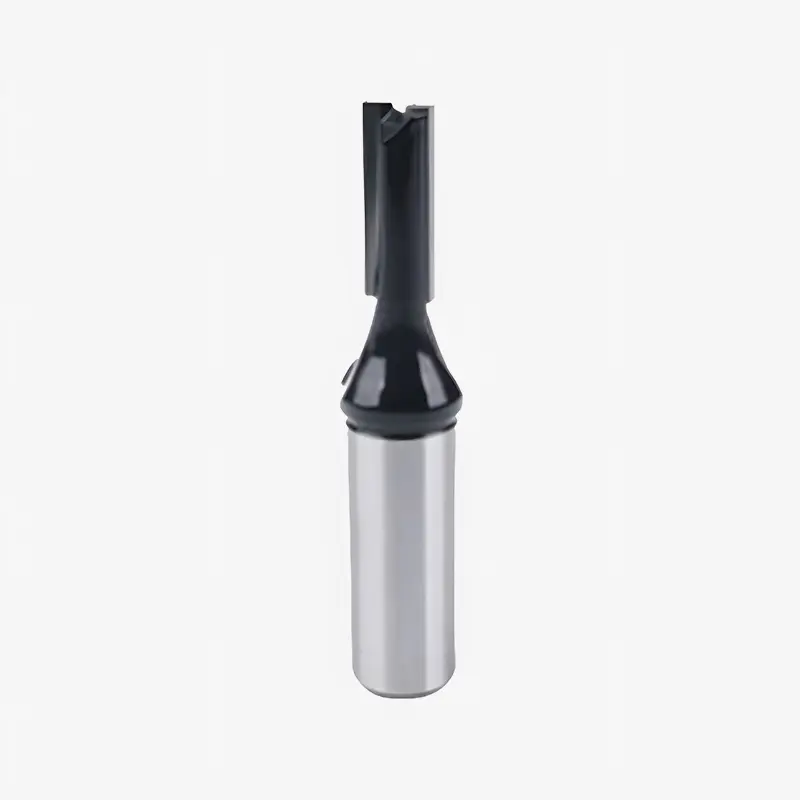
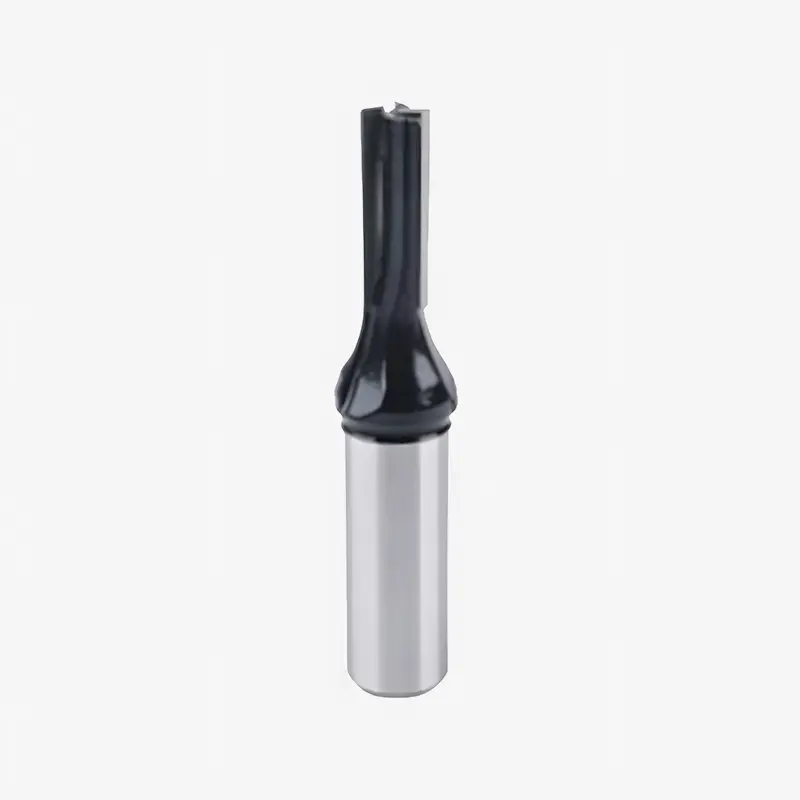
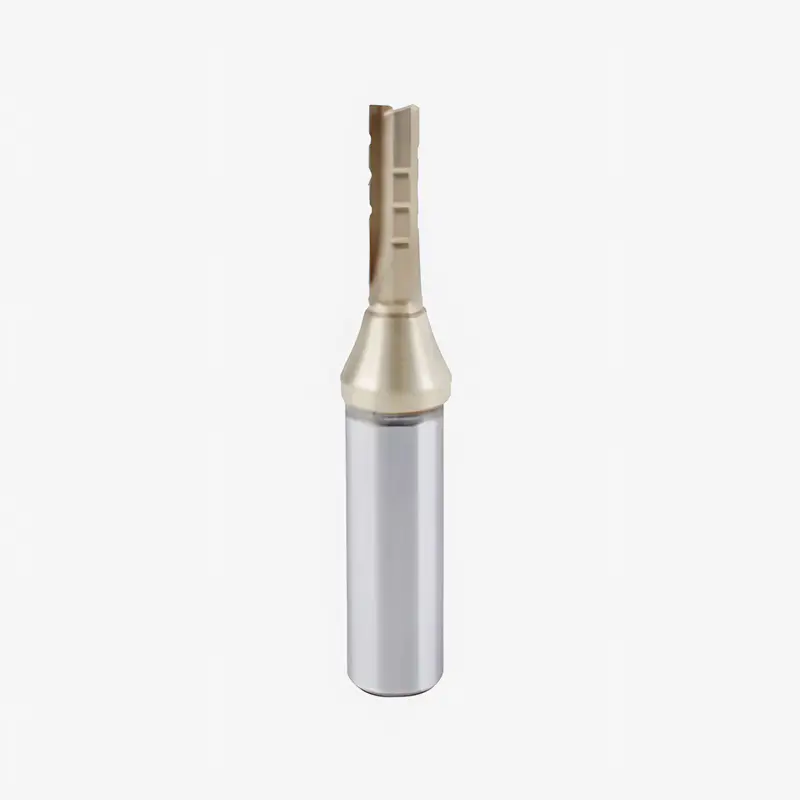
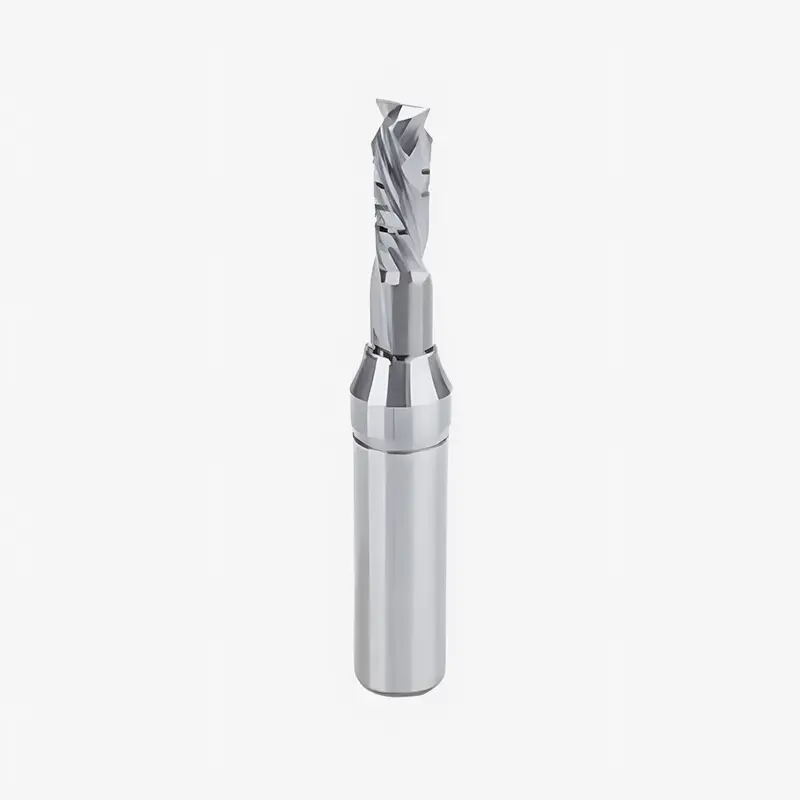
Understanding TCT Router Bits in Modern CNC Woodworking
In today’s woodworking and panel processing industries, routing quality is no longer judged only by edge shape. It is evaluated by surface finish, tool stability, feed rate compatibility, and how consistently a cutter performs across long production runs.
That’s why terms like TCT Router Bits, Carbide Tipped Router Bits, and CNC Router Bits are frequently searched by both workshop users and industrial buyers who need stable cutting performance rather than just basic tooling.
These three categories are closely related, but they are not interchangeable in real machining environments.
TCT Router Bits: Built for Balance Between Cost and Durability
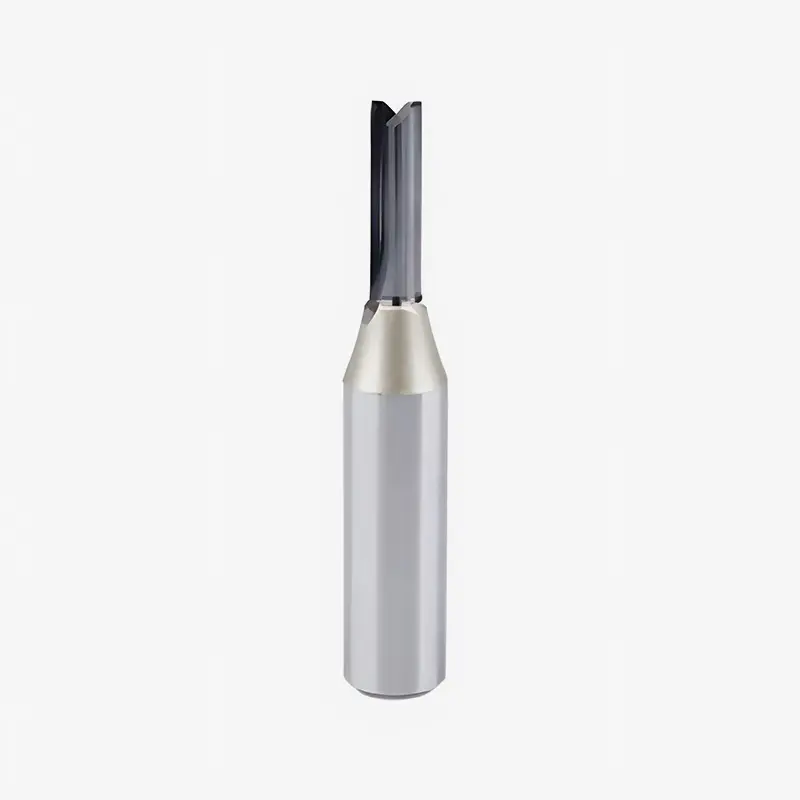
TCT stands for Tungsten Carbide Tipped. In this structure, a steel body is combined with carbide cutting edges that are brazed onto the tip.
This design is widely used because it balances:
- cutting performance
- manufacturing cost
- tool lifespan
- re-sharpening possibility
In woodworking applications, TCT router bits are commonly used for:
edge trimming
groove cutting
panel shaping
general-purpose routing work
furniture production tasks
They perform especially well in medium-density materials such as:
- MDF
- plywood
- softwood
- laminated boards
Search intent often includes:
- TCT router bits for wood cutting
- best tungsten carbide tipped router bits
- long lasting TCT woodworking bits
In practical use, TCT tooling is often chosen when stable performance is needed without moving fully into premium solid carbide cost levels.
Carbide Tipped Router Bits: Focus on Cutting Stability and Edge Life
Carbide tipped router bits are closely related to TCT tools, but in many industrial contexts the emphasis is more on performance consistency and edge durability.
The carbide tip is designed to:
- resist heat buildup
- maintain sharp cutting edges longer
- reduce edge chipping during routing
- improve surface finish quality
These characteristics become especially important when machining:
- hardwood species (oak, maple, beech)
- engineered wood panels
- laminated decorative surfaces
- composite boards with adhesives
Typical search behavior includes:
- carbide tipped router bits for hardwood
- industrial carbide router cutters for CNC
- long life carbide woodworking bits
Compared with standard steel tools, carbide tipped router bits significantly reduce tool change frequency in continuous production environments.
CNC Router Bits: Designed for High-Speed and Continuous Machining
CNC router bits are engineered specifically for automated machining systems where speed, precision, and repeatability are critical.
Unlike handheld routing, CNC machining involves:
- constant spindle rotation
- programmed cutting paths
- higher feed rates
- long continuous operation cycles
Because of this, CNC router bits must maintain stability under conditions where heat and vibration build up quickly.
Common CNC router bit types include:
- spiral upcut bits (chip evacuation)
- spiral downcut bits (clean top surface finish)
- compression bits (clean top and bottom edges)
- straight flute bits (general routing)
- engraving bits (fine detail cutting)
They are widely used in:
- cabinet manufacturing lines
- furniture mass production
- signage production
- acrylic and composite machining
- panel processing centers
Search intent often includes:
- best CNC router bits for plywood
- compression CNC router bit for MDF
- industrial CNC wood cutting bits
In CNC environments, tool consistency is often more important than individual cutting speed.
How These Three Router Bit Types Differ in Real Use
Although these categories overlap, they serve different machining priorities.
TCT Router Bits
Focus: balanced cost and performance
Best for:
- general woodworking
- workshop production
- medium-duty cutting tasks
Carbide Tipped Router Bits
Focus: longer edge life and stability
Best for:
- hardwood machining
- frequent production use
- improved surface finish requirements
CNC Router Bits
Focus: automation compatibility and precision
Best for:
- CNC machining centers
- high-volume production
- continuous industrial routing
Why CNC Manufacturing Has Changed Router Bit Design
As CNC woodworking becomes more common, router bits are no longer designed only for shape cutting. They must also handle:
- higher spindle speeds
- longer uninterrupted cutting cycles
- tighter dimensional tolerances
- mixed material processing
This shift has led manufacturers to improve:
- carbide grade consistency
- flute geometry optimization
- vibration resistance design
- chip evacuation efficiency
As a result, modern CNC router bits are increasingly engineered for system-level performance rather than single-operation cutting.
Final Perspective
TCT router bits, carbide tipped router bits, and CNC router bits all represent different levels of cutting optimization within woodworking and industrial machining.
TCT router bits provide a practical balance for general use.
Carbide tipped router bits improve durability and cutting stability.
CNC router bits are designed for high-speed automated production environments.
In modern woodworking, router bits are no longer just cutting accessories—they are performance components that directly affect machining quality, production efficiency, and long-term operational cost.


