
 English
 中文简体
中文简体
 русский
 Español

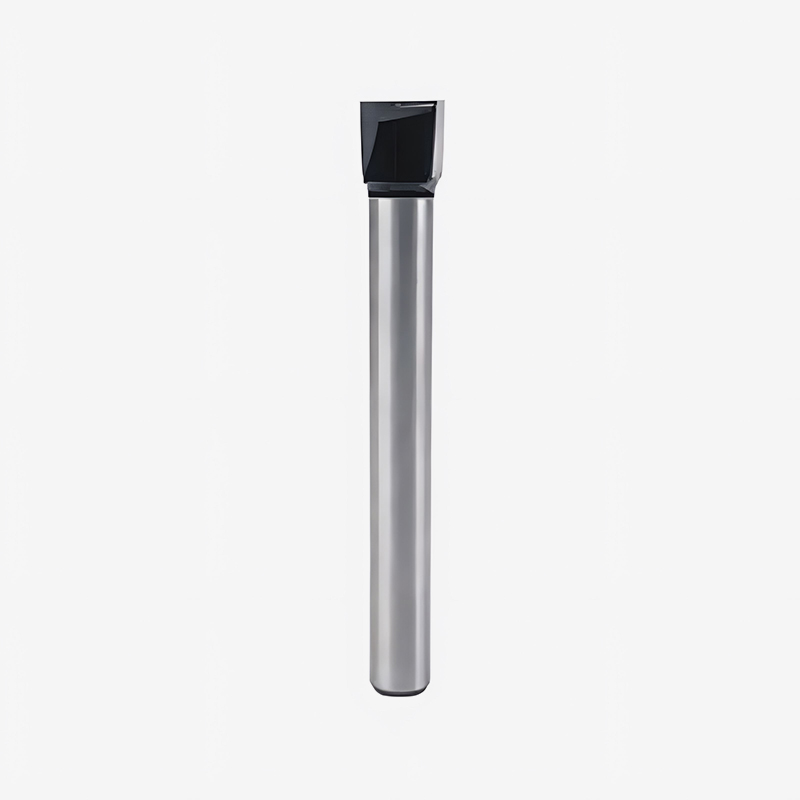
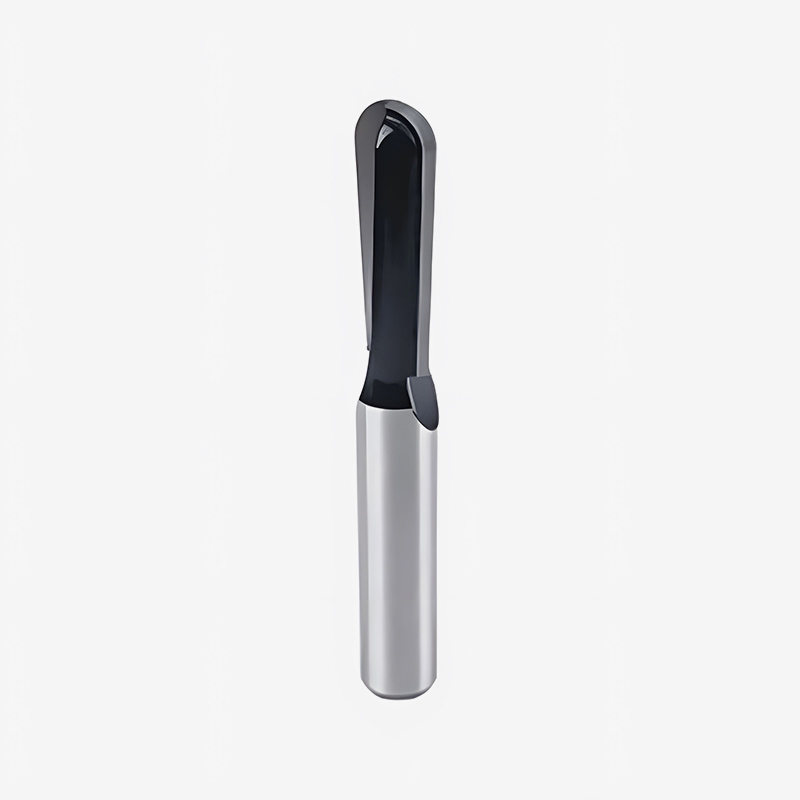
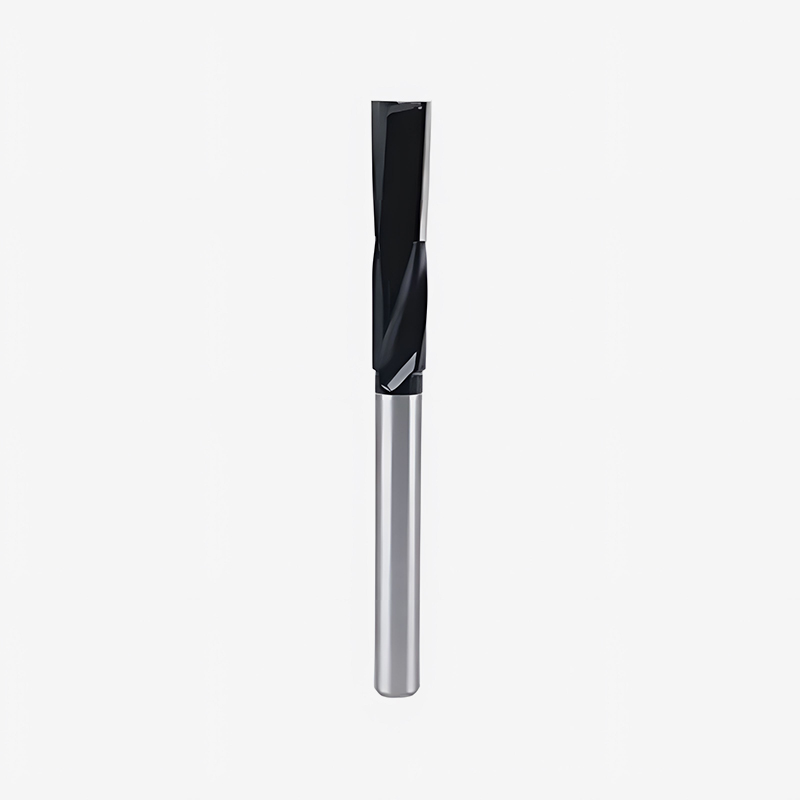
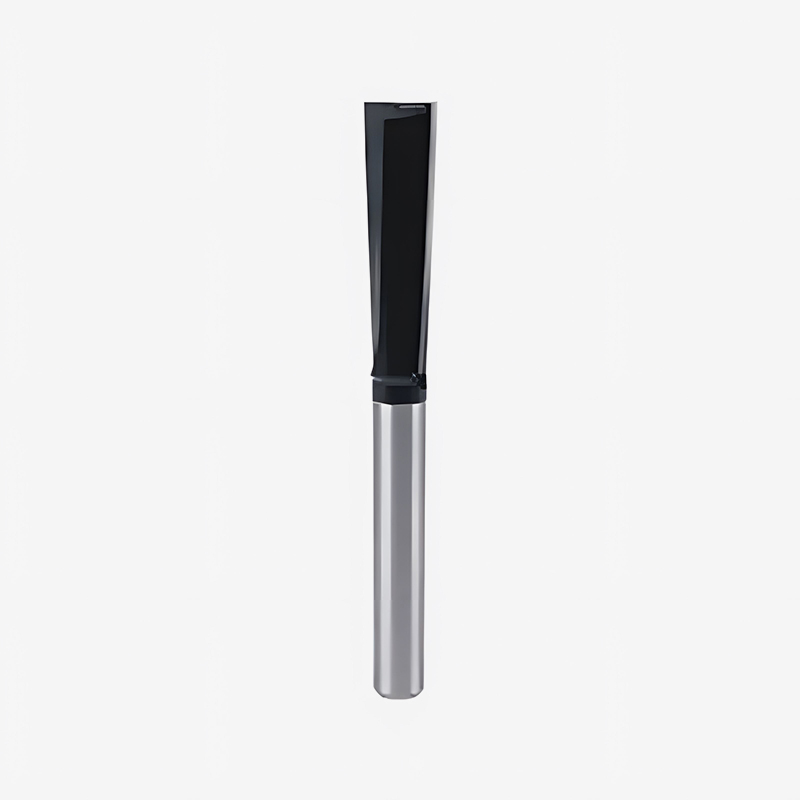
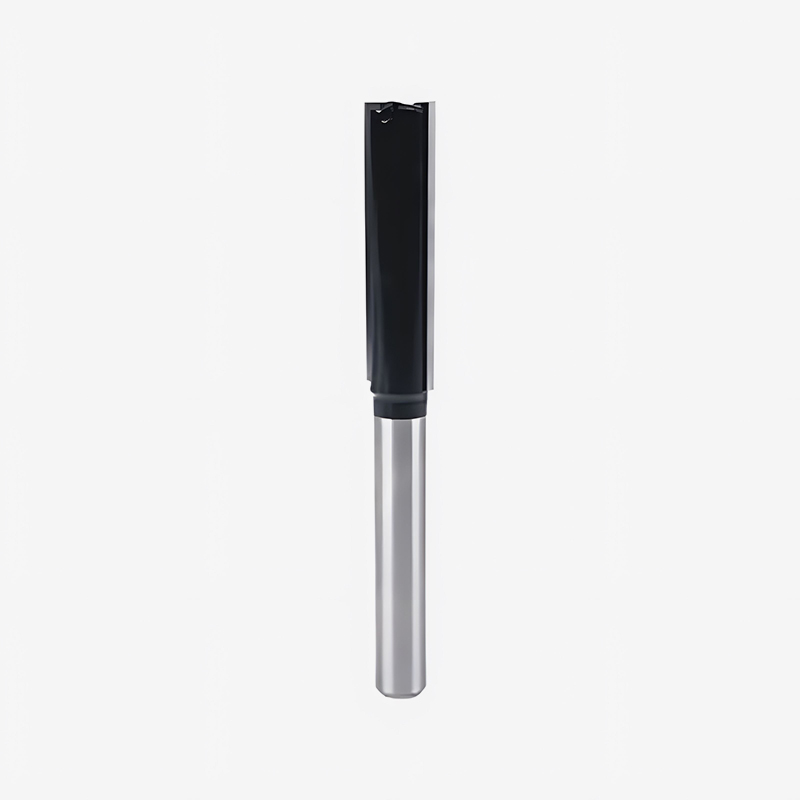
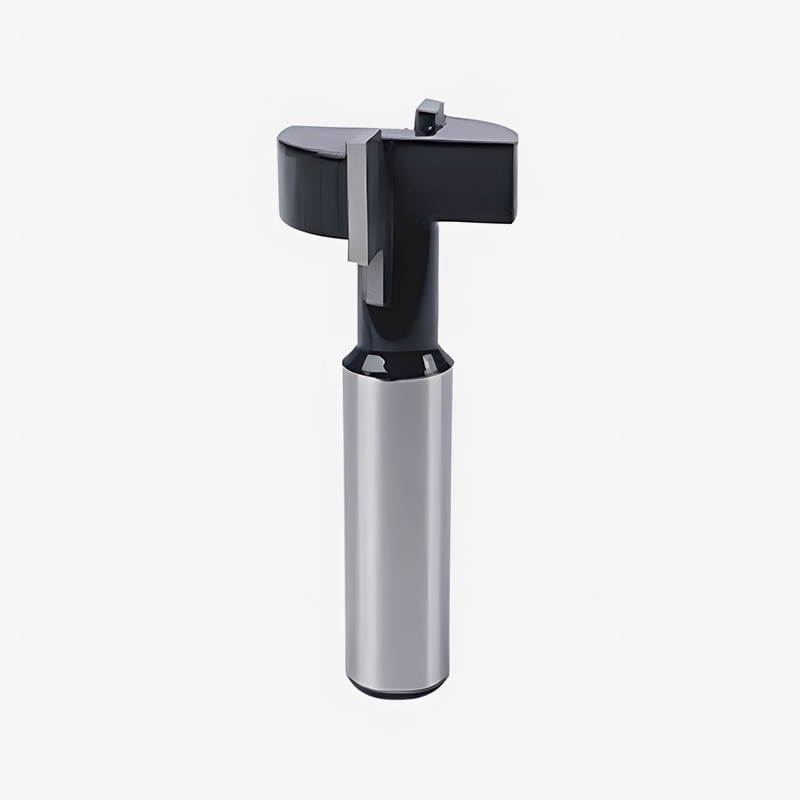
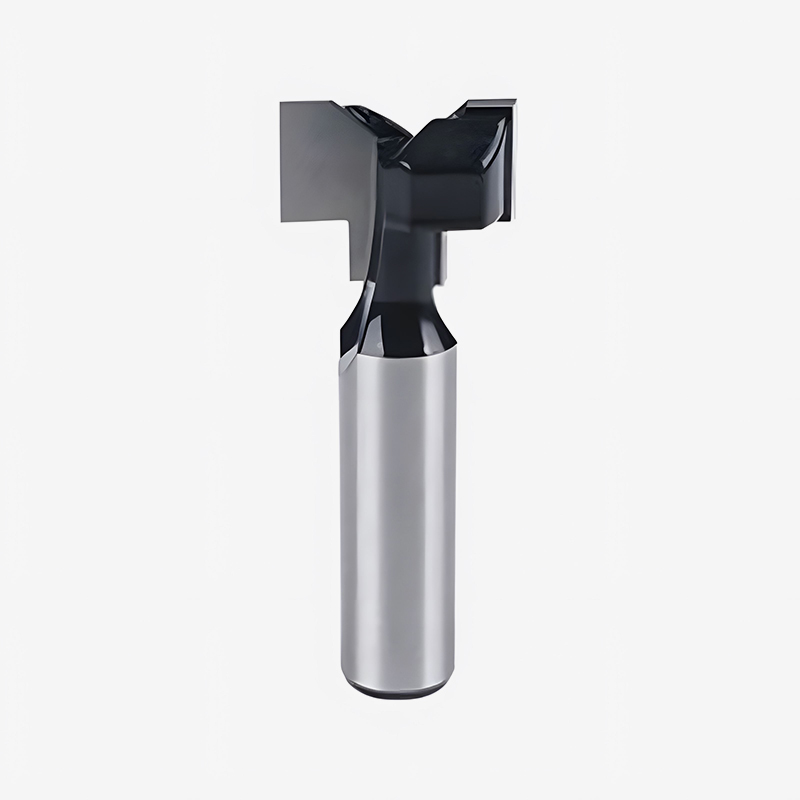
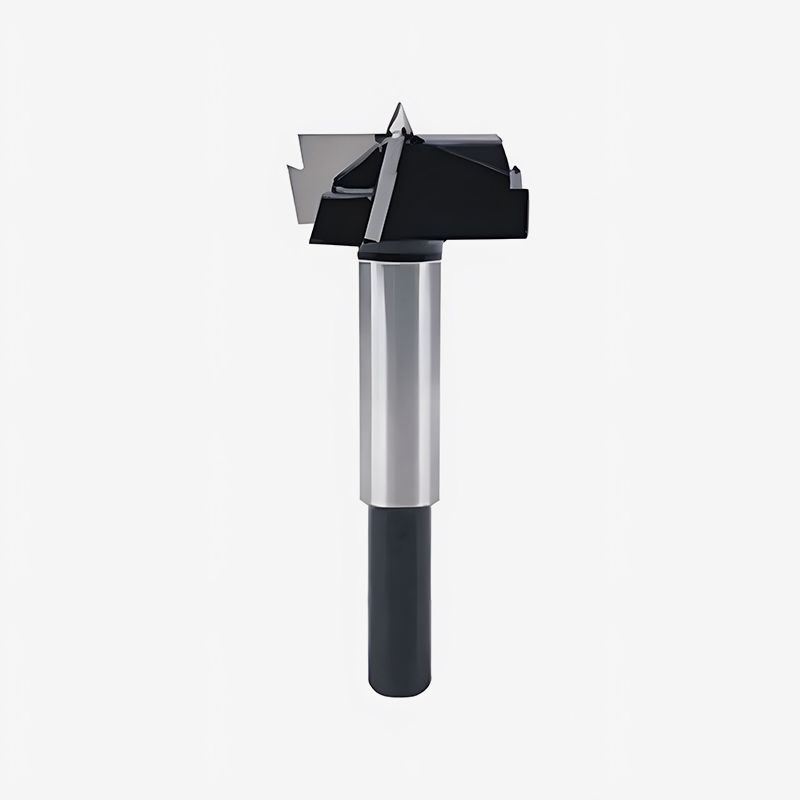
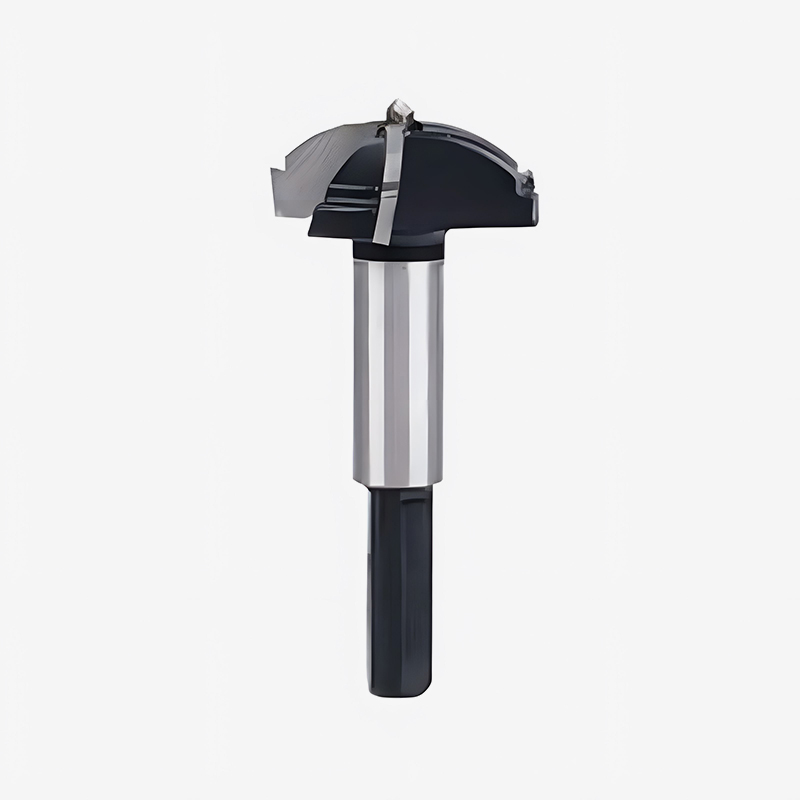
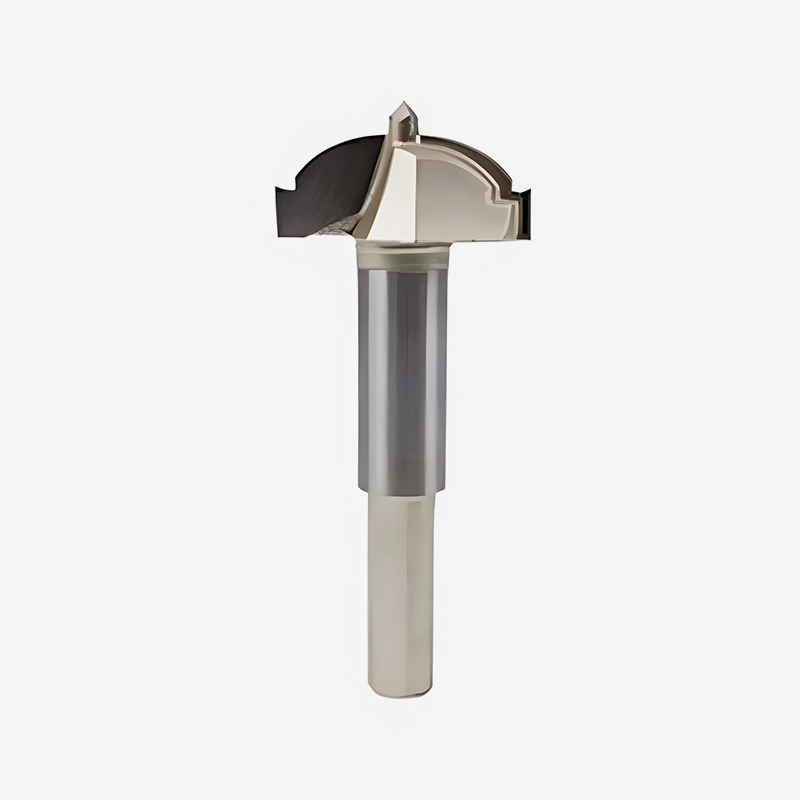
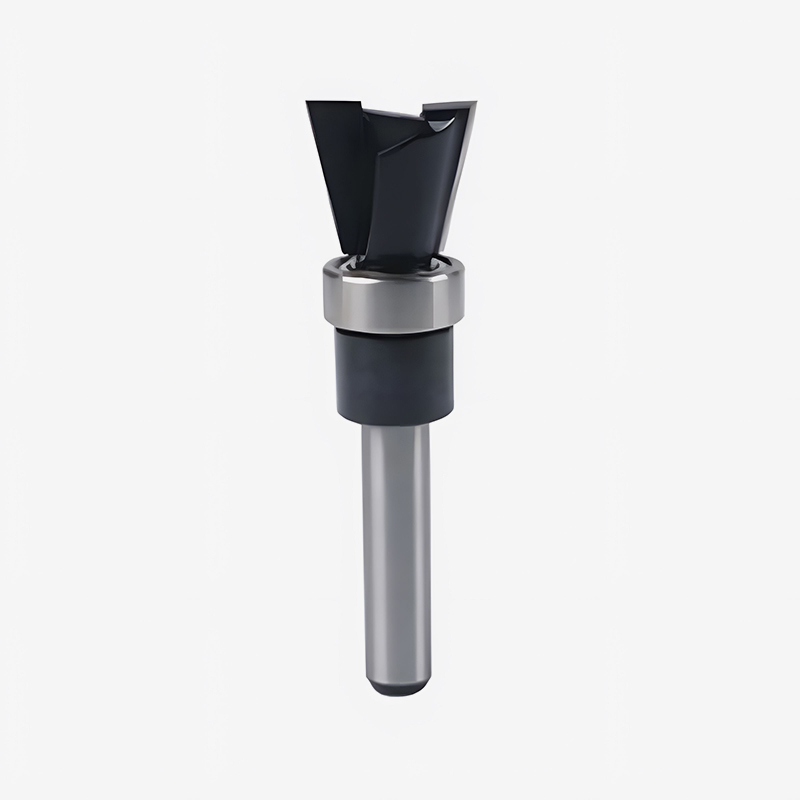
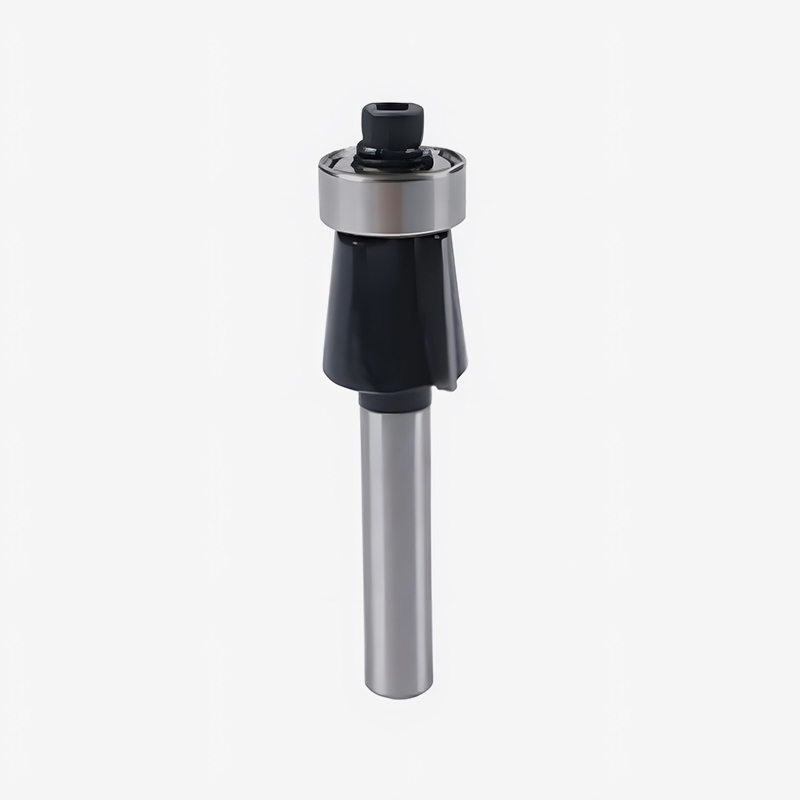
Understanding Woodworking Router Bits: From Precision Cutting to Industrial Routing Applications
In woodworking, the quality of the cut is often determined long before sanding or finishing begins. Much of it comes down to the router bit itself—its edge design, material strength, and how well it matches the application.
When people search for terms like Woodworking Router Bit, Carbide Router Bits, or Industrial Router Bits, they are usually trying to solve practical production problems:
- cleaner edges on hardwood
- longer cutting life
- smoother CNC performance
- reduced burning or chipping
- higher efficiency in repetitive routing work
Different router bits are built for very different working conditions, and understanding those differences helps avoid unnecessary tool wear and inconsistent cutting results.
What Is a Woodworking Router Bit?
A woodworking router bit is a rotary cutting tool used with handheld routers, router tables, or CNC woodworking machines. Its purpose is not only to remove material, but also to shape edges, create joints, cut grooves, trim panels, or produce decorative profiles.
Unlike standard drill tools, router bits cut laterally while spinning at high speed. Because of this, edge sharpness, vibration stability, and heat resistance directly affect surface finish quality.
In woodworking shops, router bits are commonly used for:
- cabinet manufacturing
- furniture production
- edge profiling
- groove and slot cutting
- laminate trimming
- sign making
- CNC carving applications
Search intent around this category often includes:
- best router bits for hardwood
- router bit for plywood edge trimming
- woodworking router bits for cabinet making
Carbide Router Bits: Built for Longer Cutting Life
Carbide router bits are widely used because wood itself is no longer the only material being machined. Modern boards, laminates, MDF, plywood, and composite panels create more abrasion and heat than natural softwood.
That is where carbide becomes important.
Instead of dulling quickly under friction, carbide cutting edges maintain sharpness much longer during continuous operation.
Why carbide matters in real production
In practice, carbide router bits are preferred when:
- routing hardwood for extended periods
- cutting MDF or particle board
- working with laminated surfaces
- running CNC machines at higher feed rates
- maintaining edge consistency across batch production
Compared with standard steel bits, carbide versions usually produce:
- cleaner edges
- less burning
- slower wear
- fewer tool replacements
This becomes especially important in commercial woodworking, where downtime affects productivity.
Typical search behavior includes:
- carbide router bits for hardwood cutting
- long lasting router bits for MDF
- tungsten carbide woodworking router bit
Industrial Router Bits: Designed for High-Volume Workflows
Industrial router bits are engineered for demanding production environments rather than occasional workshop use.
The difference is not only the material itself, but also balance control, cutting precision, heat management, and stability during long machining cycles.
In industrial settings, router bits may run continuously for hours on CNC systems, automated production lines, or heavy-duty router tables. Under these conditions, vibration and microscopic edge wear become major performance factors.
Common industrial applications
- mass furniture manufacturing
- CNC panel processing
- door and cabinet production
- architectural woodworking
- composite material trimming
- high-speed automated routing
Industrial router bits are often selected based on:
- cutting lifespan
- machine compatibility
- feed speed stability
- finish quality at scale
- reduced maintenance interruptions
Searches in this category commonly include:
- industrial carbide router bits for CNC
- heavy duty router bits for production woodworking
- professional router bits for cabinet factories
Woodworking Router Bits vs Carbide Router Bits vs Industrial Router Bits
Although these terms are related, they represent different priorities in woodworking.
Woodworking Router Bits
A broad category covering general routing applications in woodworking.
Best suited for:
- DIY woodworking
- furniture repair
- light workshop use
- decorative edge work
Carbide Router Bits
Focused on cutting durability and cleaner finishes.
Best suited for:
- hardwood machining
- laminate cutting
- MDF processing
- medium to high-frequency use
Industrial Router Bits
Designed for production efficiency and machine stability under continuous workloads.
Best suited for:
- CNC manufacturing
- factory environments
- batch production
- precision routing at scale
Choosing the Right Router Bit for the Job
Professionals rarely select router bits based only on shape. Material density, machine speed, production volume, and finish expectations all influence the decision.
For example:
- occasional workshop users may prioritize affordability
- cabinet manufacturers focus more on edge consistency and bit lifespan
- CNC factories usually prioritize stability during continuous operation
This is why industrial woodworking operations often rely heavily on carbide tooling systems rather than general-purpose router bits.
Final Thoughts
Router bits are small tools, but they directly influence machining quality, efficiency, and production consistency.
Standard woodworking router bits work well for general shaping and trimming tasks. Carbide router bits improve durability and cutting performance in tougher materials. Industrial router bits go even further, supporting high-speed production environments where precision and reliability are critical.
In modern woodworking, choosing the correct router bit is less about the tool itself—and more about matching the bit to the workflow, material, and production demands behind the cut.


