
 English
 中文简体
中文简体
 русский
 Español

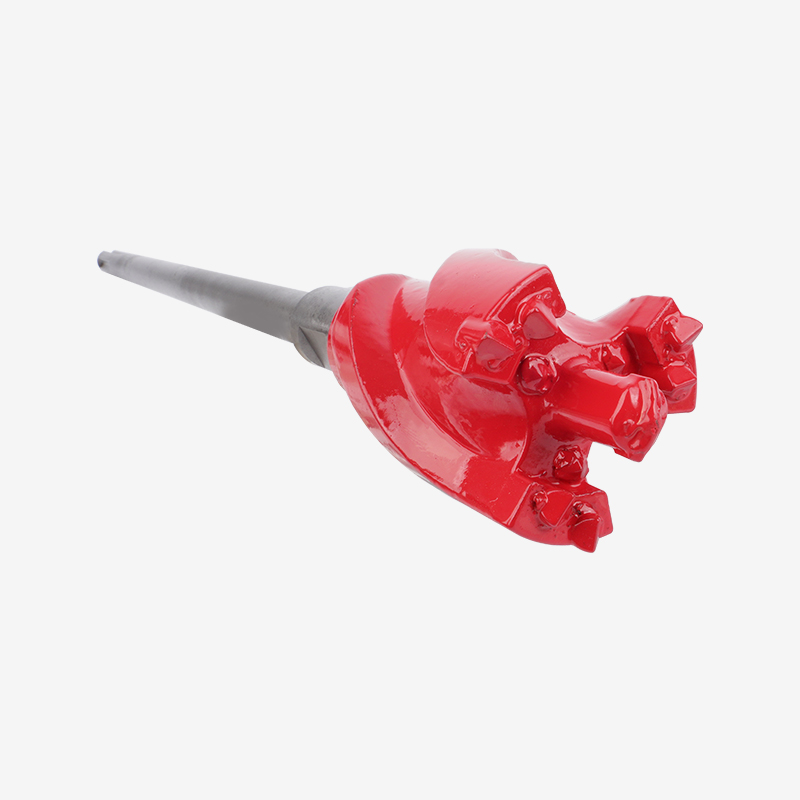
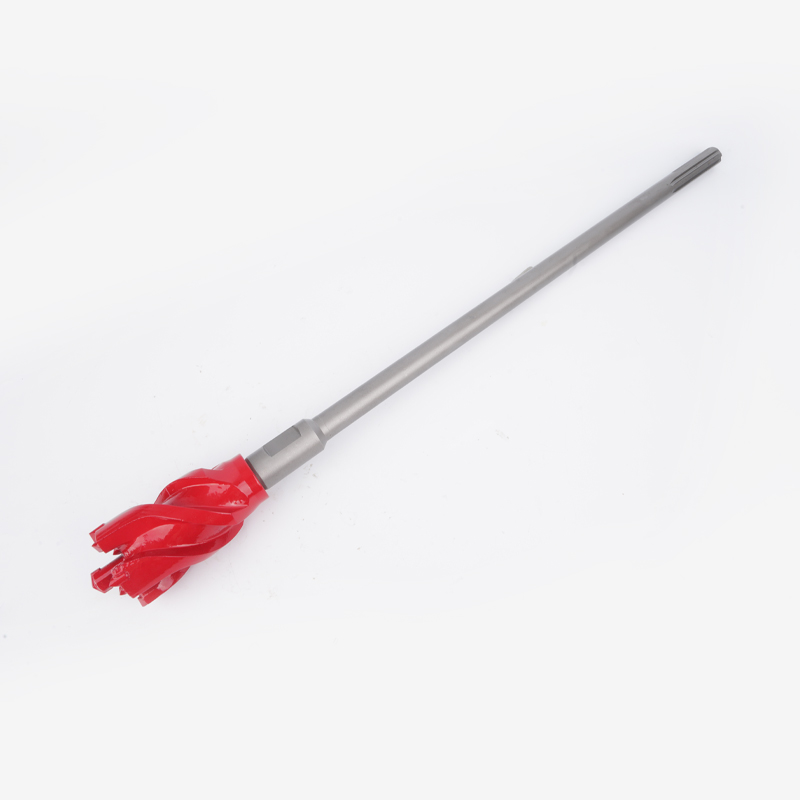
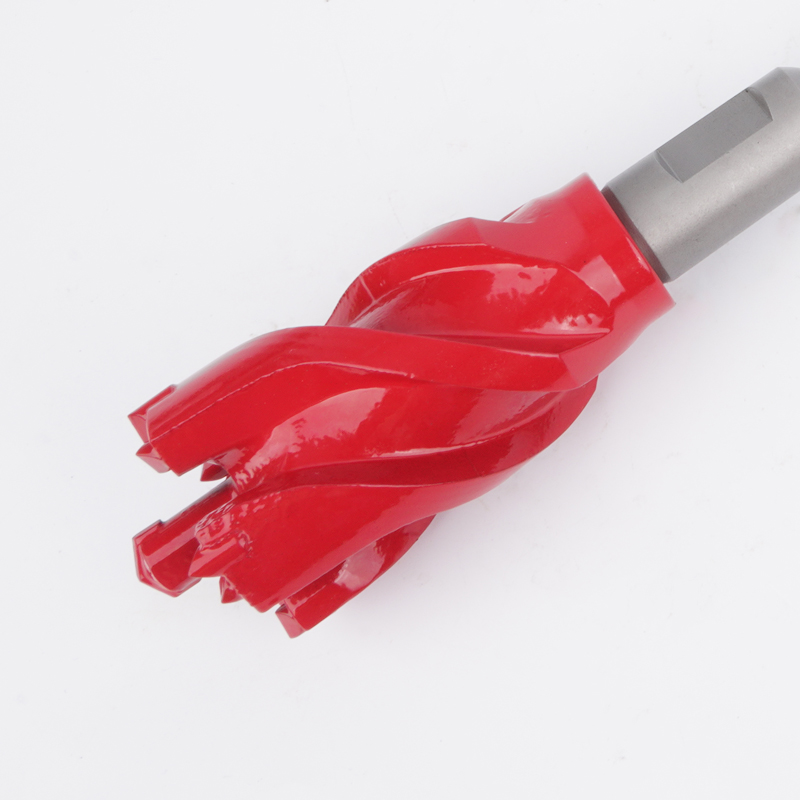
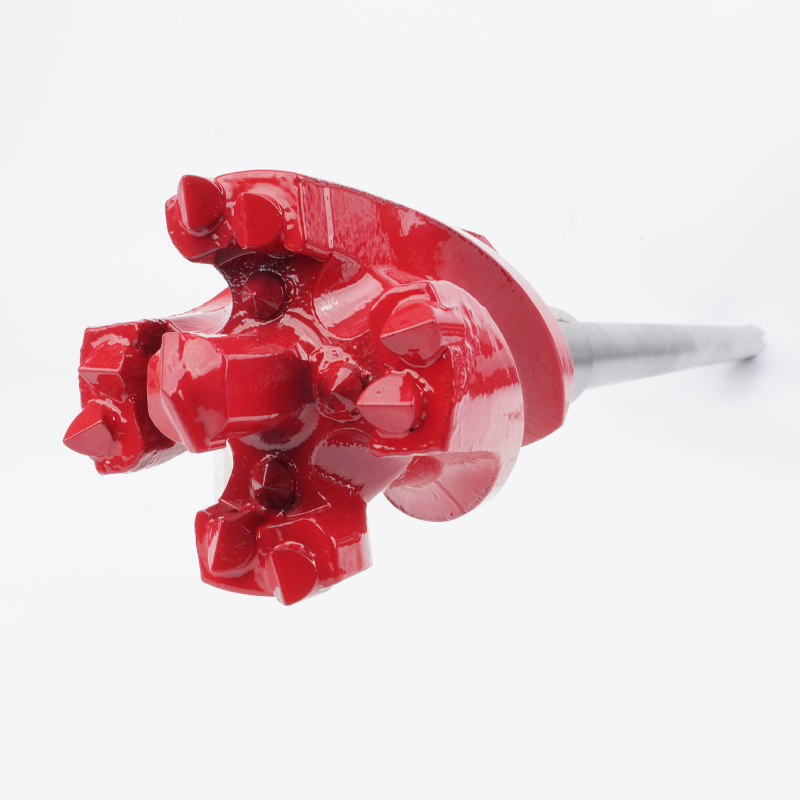
Drilling into Concrete and Masonry: Understanding Hammer, Concrete, and Masonry Drill Bits
In construction and installation work, few tasks are more common—or more demanding—than drilling into concrete, brick, and stone-based materials. Unlike wood or metal, these materials are brittle, abrasive, and highly resistant to cutting. That combination makes tool selection critical for both efficiency and safety.
This is where Hammer Drill Bit, Concrete Drill Bit, and Masonry Drill Bit categories come into play. Although they are often used interchangeably in casual search queries, each term reflects slightly different drilling conditions and tool design priorities.
Hammer Drill Bit: Built for Impact Drilling Systems
A hammer drill bit is designed specifically to work with hammer drills, where rotary motion is combined with rapid percussion force. This impact action helps break up hard mineral structures while the bit grinds through the material.
In real job-site conditions, hammer drill bits are commonly used for:
- wall anchoring
- fixture installation
- electrical conduit mounting
- shelving and bracket installation
- light structural drilling
The key advantage is impact-assisted penetration, which reduces the effort required to break into dense surfaces like concrete or brick.
Typical search intent includes:
- hammer drill bit for concrete wall
- best hammer drill bits for masonry anchors
- SDS hammer drill bit set for construction
In practice, hammer drill bits are often paired with SDS chuck systems for improved energy transfer and stability.
Concrete Drill Bit: Designed for Dense Structural Materials
Concrete drill bits are optimized for one of the most common construction materials: reinforced or non-reinforced concrete.
Concrete is not uniform—it often contains:
- cement matrix
- sand and aggregate
- embedded steel reinforcement (rebar in some cases)
Because of this, concrete drilling requires:
- heat resistance
- impact durability
- strong tip geometry
- abrasion-resistant cutting edges
Most concrete drill bits are carbide-tipped, allowing them to withstand continuous impact and friction.
They are widely used in:
- building construction
- infrastructure installation
- HVAC mounting systems
- electrical engineering work
Search behavior often includes:
- carbide concrete drill bit for reinforced wall
- best drill bit for concrete drilling
- long life concrete drill bits for contractors
In professional environments, concrete drilling efficiency directly affects installation speed and labor cost.
Masonry Drill Bit: Versatile Tool for Brick, Block, and Stone Surfaces
Masonry drill bits are designed for a broader range of mineral-based materials, including brick, block, mortar, and softer stone surfaces.
Compared with heavy-duty concrete bits, masonry bits are often used in applications where:
- material density is lower
- drilling precision is more important than extreme penetration force
- surface cracking must be minimized
Common applications include:
- brick wall drilling
- home renovation work
- ventilation and pipe installation
- light construction anchoring
Search intent often includes:
- masonry drill bit for brick wall
- best drill bit for brick and mortar
- carbide masonry drill bits for home use
In practical use, masonry drill bits are widely favored in renovation projects where mixed wall materials are common.
Key Differences Between Hammer, Concrete, and Masonry Drill Bits
Although these terms overlap in many online searches, their real-world usage differs based on drilling conditions.
Hammer Drill Bits
- Designed for impact drilling systems
- Best for general construction anchoring
- Works with hammer drills or SDS systems
Concrete Drill Bits
- Optimized for dense and reinforced materials
- Built for durability under heavy impact
- Common in professional construction work
Masonry Drill Bits
- Suitable for brick, block, and softer stone
- Focus on versatility and cleaner drilling
- Often used in renovation and light construction
Understanding these differences helps reduce tool wear, improve drilling speed, and avoid unnecessary bit breakage.
Why Impact Drilling Technology Matters in Construction
Modern construction environments rely heavily on impact drilling because standard rotary drilling is not efficient enough for mineral-based materials.
Impact systems provide:
- faster penetration
- reduced operator fatigue
- improved drilling stability
- better performance in dense materials
Combined with carbide-tipped tooling, hammer drilling has become the industry standard for structural installation work.
However, tool selection still plays a major role in performance consistency and hole quality.
Final Perspective
Hammer drill bits, concrete drill bits, and masonry drill bits each serve a specific role within construction and installation drilling workflows.
Hammer drill bits maximize impact-driven penetration efficiency.
Concrete drill bits focus on durability in dense and reinforced materials.
Masonry drill bits provide versatility for brick and block applications.
In modern construction, drilling performance is not just about power tools—it is about matching the right bit geometry and material structure to the actual surface being drilled.


