
 English
 中文简体
中文简体
 русский
 Español

Alloy Drill Bits in Modern Drilling Applications: Manufacturing, Performance, and Industrial Supply Trends
Drilling technology has evolved far beyond basic hole-making operations. In industries such as construction, metal fabrication, automotive production, and industrial installation, drilling efficiency now depends heavily on tool material, heat resistance, and wear stability.
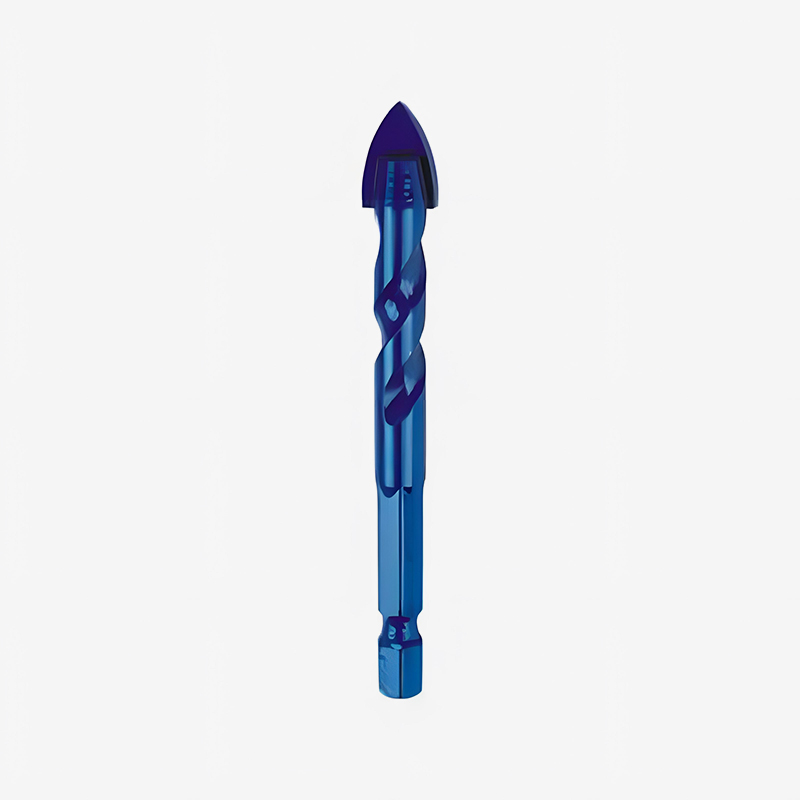
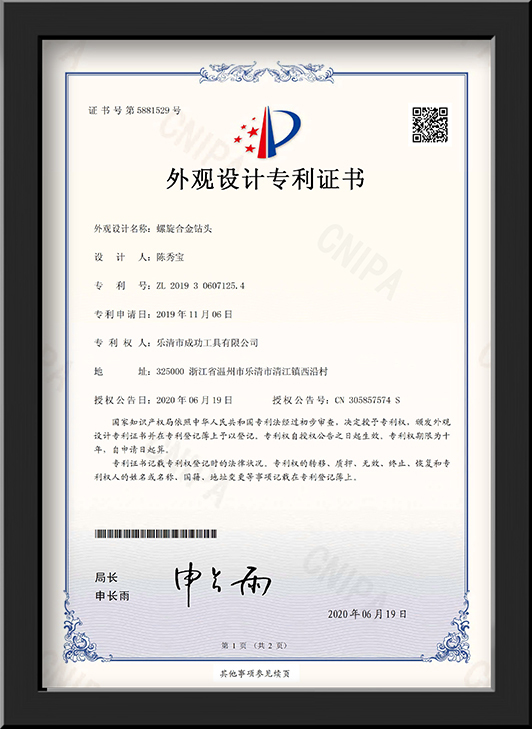
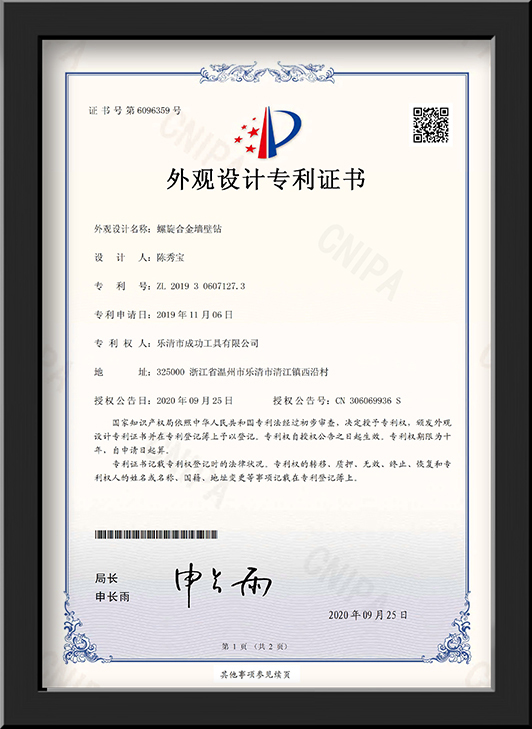
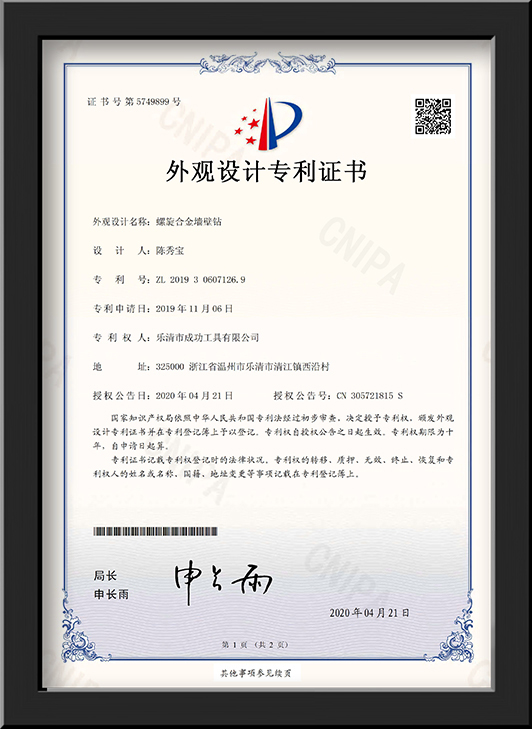
Among the most commonly discussed tooling categories today are Alloy Drill Bits, along with sourcing-related searches such as Alloy Drill Bit Factory and Alloy Drill Bit Manufacturer.
These keywords are often connected to buyers looking for:
- longer tool lifespan
- improved drilling stability
- better heat resistance
- industrial supply capability
- OEM manufacturing support
As harder materials and higher-speed drilling environments become more common, alloy-based drill bits continue gaining importance across both industrial and commercial markets.
Alloy Drill Bits Are Designed for Higher Strength and Wear Resistance
Compared with ordinary carbon steel drill bits, alloy drill bits are produced using enhanced metal compositions that improve hardness, thermal resistance, and cutting durability.
Depending on the application, alloy drill bits may contain:
- chromium alloys
- cobalt alloys
- tungsten components
- vanadium-enhanced steel
- carbide alloy structures
These material upgrades help maintain cutting performance under more demanding drilling conditions.
In practical use, alloy drill bits are frequently selected for:
- stainless steel drilling
- hardened metal applications
- heavy-duty construction work
- repetitive industrial drilling
- high-temperature machining environments
Unlike lower-grade tooling, alloy drill bits are built to tolerate greater friction and continuous cutting pressure without dulling rapidly.
Common search intent includes:
- alloy drill bit for stainless steel
- heavy duty alloy drill bits
- high hardness metal drill bit
Different Industries Require Different Alloy Drill Bit Structures
Not all alloy drill bits are designed the same way. Tool geometry often changes depending on the drilling environment and material type.
For example:
Metalworking Applications
Metal drilling usually prioritizes:
- heat resistance
- chip evacuation
- edge retention
- precision hole accuracy
Construction Applications
Construction drilling often requires:
- impact resistance
- abrasion durability
- reinforced tip strength
CNC Machining Environments
Industrial CNC drilling focuses more on:
- dimensional consistency
- high-speed stability
- repeatable cutting performance
Because of these differences, manufacturers often develop specialized alloy drill bit series for separate industrial sectors rather than using one universal design.
Alloy Drill Bit Factories Are Expanding Beyond Standard Production
As global industrial demand increases, alloy drill bit factories are becoming more specialized in both production technology and quality control.
Modern factories commonly integrate:
- automated CNC grinding systems
- heat treatment processes
- coating technology
- hardness testing
- precision inspection equipment
This shift allows factories to improve:
- drilling accuracy
- batch consistency
- edge stability
- large-scale production reliability
Factories supplying export markets often provide additional services such as:
- OEM branding
- custom packaging
- size customization
- application-specific tooling design
Search demand around sourcing commonly includes:
- alloy drill bit factory China
- OEM alloy drill bit supplier
- industrial alloy drill bits manufacturer
For importers and distributors, stable production capability is often just as important as product pricing.
Alloy Drill Bit Manufacturers Are Focusing More on Tool Lifespan
One of the biggest trends in the drilling tool industry is the growing focus on durability rather than low initial cost.
In industrial environments, short tool life increases:
- machine downtime
- replacement frequency
- labor interruption
- production inefficiency
Because of this, alloy drill bit manufacturers increasingly optimize tooling for:
- longer cutting cycles
- reduced overheating
- smoother chip removal
- stable drilling performance
This is particularly important in industries working with:
- stainless steel
- alloy steel
- thick metal plate
- reinforced structural materials
Manufacturers capable of maintaining stable hardness and precision grinding quality are generally preferred in professional supply chains.
Global Demand Is Driving Higher Expectations for Drill Bit Quality
The market for alloy drill bits is no longer limited to industrial factories alone. Professional contractors, fabrication workshops, and even advanced DIY users are now paying more attention to tool material and drilling efficiency.
Several factors continue pushing demand higher:
- wider use of harder engineered materials
- growth in metal fabrication industries
- increased CNC machining adoption
- rising expectations for tool longevity
- demand for cleaner and faster drilling performance
As a result, buyers are becoming more selective when evaluating drill bit manufacturers and production factories.
Industrial Tooling Has Become Part of Productivity Management
In modern manufacturing and construction environments, drill bits are no longer treated as simple consumables. Tooling performance now directly affects operating efficiency, machining quality, and production stability.
Alloy drill bits help improve drilling reliability under demanding working conditions. Alloy drill bit factories support large-scale industrial supply and OEM production. Alloy drill bit manufacturers continue advancing tooling durability to meet the needs of higher-speed and higher-precision applications.
As industrial standards continue rising, the focus is shifting from simply purchasing drill bits to selecting tooling systems capable of supporting long-term operational performance.
