 English
 中文简体
中文简体
 русский
 Español

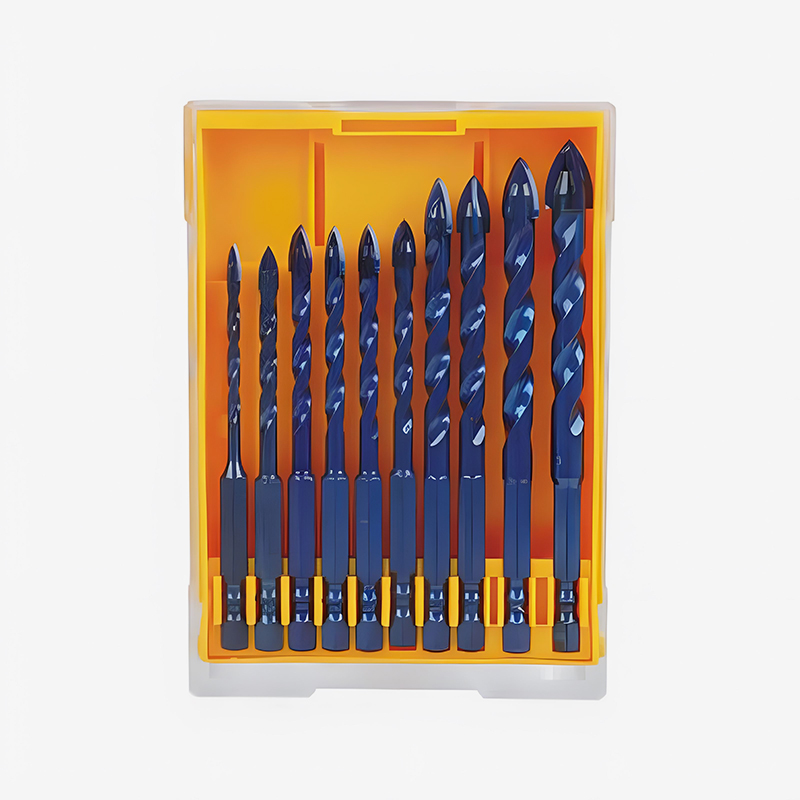
SPECIFICATION LENGTH MONEY BOX QTY 3 78 1.25 100 16...
See DetailsGet A Quote
Auger Bits Factory Manufacturing Processes and Material Considerations
2026-06-26
Auger bits are commonly used in woodworking and construction projects where clean and efficient hole drilling is required. While users often focus on the finished tool, the production journey behind it is equally important. An Auger Bits Factory combines material selection, forming techniques, heat treatment, and quality inspection to manufacture drilling tools that meet various application requirements. Understanding these manufacturing processes helps explain why material choices and production methods matter.
Selecting Materials for Auger Bit Production
The manufacturing process begins with raw material selection. Steel is the primary material used for auger bits because it offers strength and durability for drilling tasks.
Different steel types may be chosen depending on the intended application. Carbon steel is often used for general-purpose drilling, while alloy steel may provide additional wear resistance. Manufacturers evaluate characteristics such as hardness, toughness, and resistance to abrasion before selecting materials for production.
Choosing suitable materials creates a foundation for the later manufacturing stages and supports the overall lifespan of the tool.
Forming the Auger Bit Structure
After the material is prepared and cut to size, the shaping process begins. This stage creates the recognizable spiral flute that allows wood chips and debris to move away from the drilling area.
The screw tip, cutting spurs, and cutting edges are also formed during production. These features help guide the bit into the material and contribute to smooth drilling performance.
Careful forming procedures help maintain consistency throughout production and ensure that the geometry of each auger bit follows design specifications.
Heat Treatment and Strength Development
Heat treatment is an important step in auger bit manufacturing. Through controlled heating and cooling procedures, manufacturers adjust the mechanical properties of the steel.
Hardening increases resistance to wear, while tempering helps improve toughness. The combination of these processes allows the auger bit to handle drilling forces while maintaining cutting capability.
Proper heat treatment supports durability and helps the tool perform effectively during repeated use.
Machining, Finishing, and Quality Control
Once heat treatment is complete, the auger bits undergo machining and finishing operations. Grinding processes refine the cutting edges and improve dimensional accuracy.
Many manufacturers also apply surface treatments such as black oxide or polished finishes. These treatments can help improve corrosion resistance and maintain the appearance of the tool.
Quality control inspections are carried out throughout production. Dimensions, cutting-edge quality, and overall consistency are checked to ensure the finished product meets manufacturing requirements.
Factors That Influence Performance
Several factors contribute to the performance of an auger bit. Material quality, heat treatment results, cutting-edge geometry, and manufacturing precision all play important roles.
A well-designed flute can improve chip removal, while accurate machining supports a smoother drilling operation. The combination of suitable materials and controlled production processes helps create a tool capable of handling a variety of woodworking and construction tasks.
An Auger Bits Factory relies on multiple manufacturing stages to transform raw steel into finished drilling tools. Material selection, forming operations, heat treatment, machining, and inspection all contribute to product quality. By carefully managing these processes, manufacturers can produce auger bits suitable for a wide range of drilling applications while maintaining consistency throughout production.
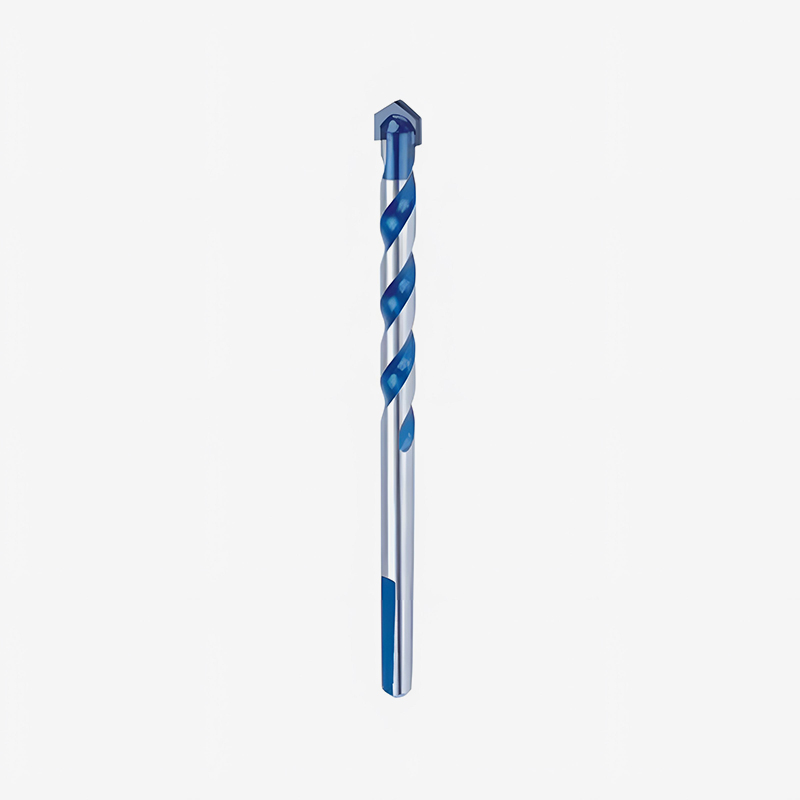
SPECIFICATION LENGTH MONEY BOX QTY 3 78 1.25 100 16...
See Details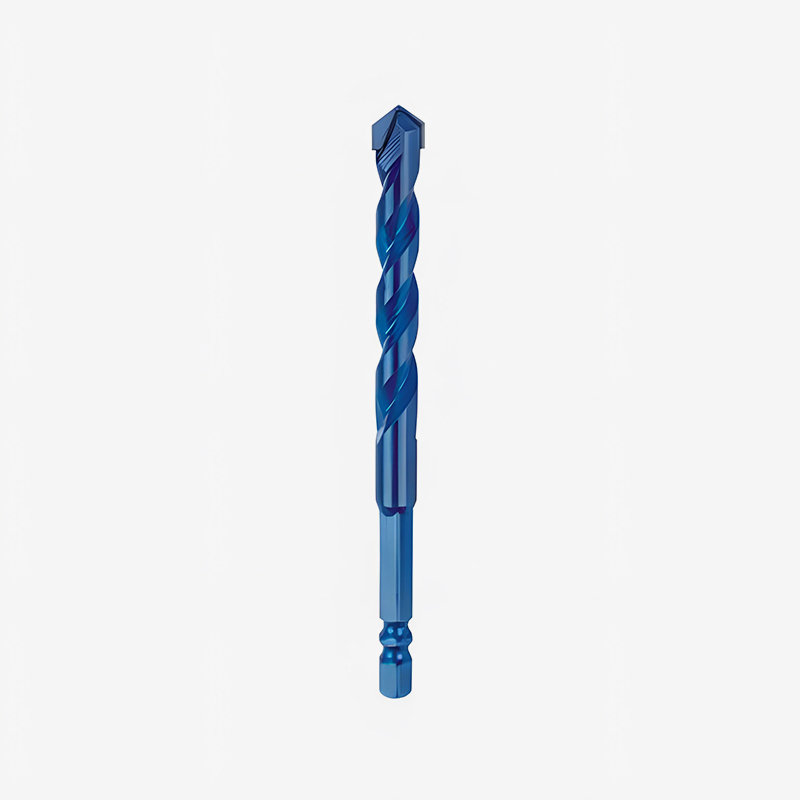
SPECIFICATION LENGTH HANDLE LONG MONEY BOX QTY 3 90 4...
See Details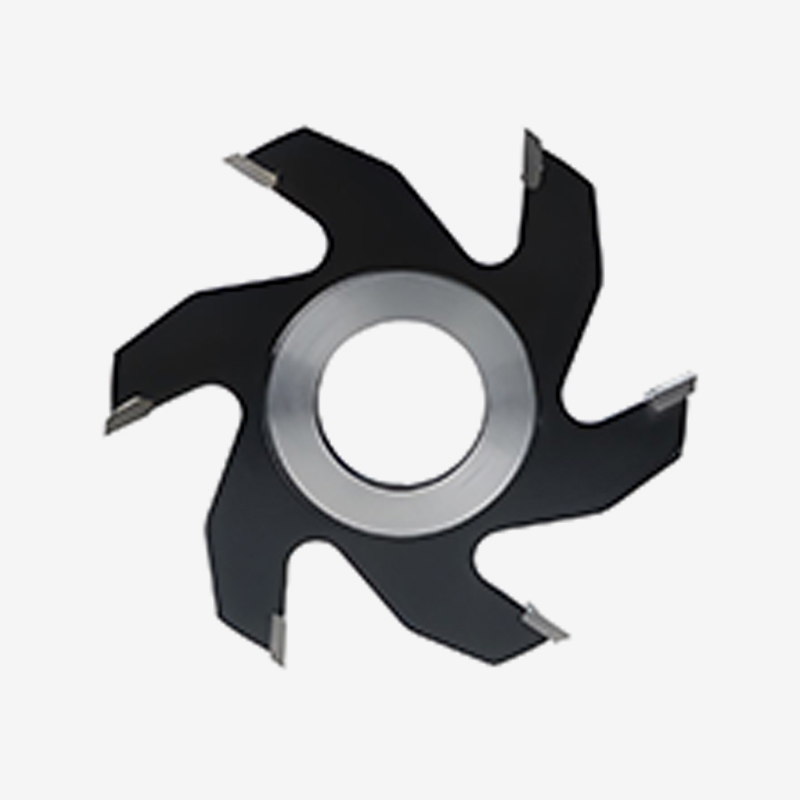
NUMBEROF TEETH CUTTINGTHICKNESS DIAMETER INNERDIAMETER MO...
See Details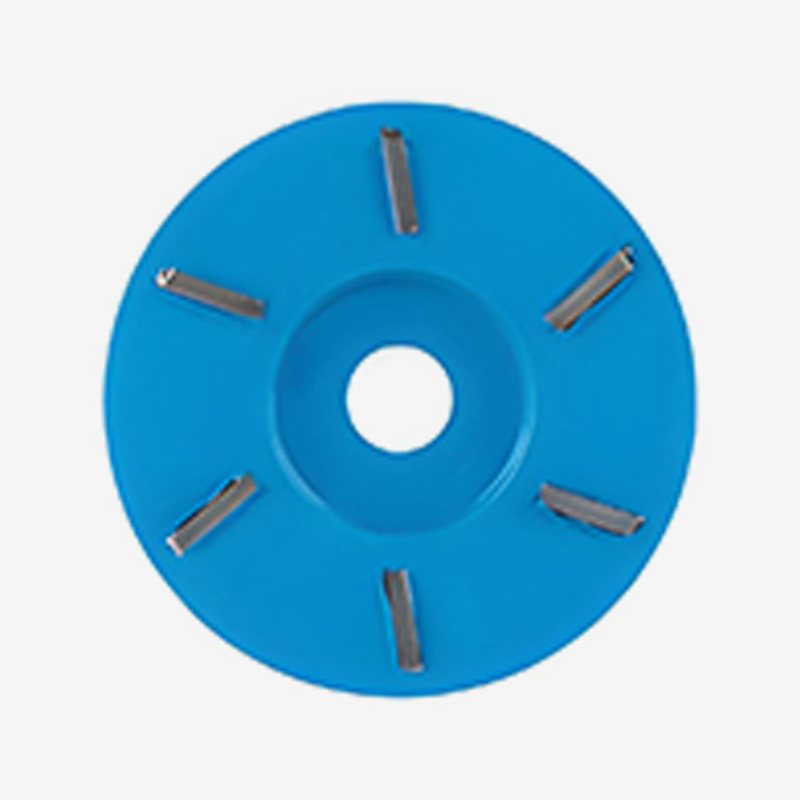
NUMBEROF TEETH CUTTINGTHICKNESS DIAMETER INNERDIAMETER MO...
See DetailsNews and Blogs
Contact
Xiyan Village Industrial Zone, Qingjiang Town, Yueqing City, Zhejiang, China
+(86) 577-62265666 / +(86) 577-62265988
+(86) 13706603579 / +(86) 13757787688
Products
Mobile Terminal