In contemporary construction, renovation and mechanical installation sectors, drilling and hole-making operations have upgraded from basic manual mechanical operations to refined, process-oriented working procedures. Current construction projects commonly adopt layered composite structures, fragile decorative facing materials and hybrid structural components, which demand matched cutting tools and technologies in one continuous construction workflow. For this reason, professional construction workers and engineers are highly dependent on targeted drilling tools that can guarantee machining accuracy, complete surface protection and high construction efficiency amid complex on-site working conditions.
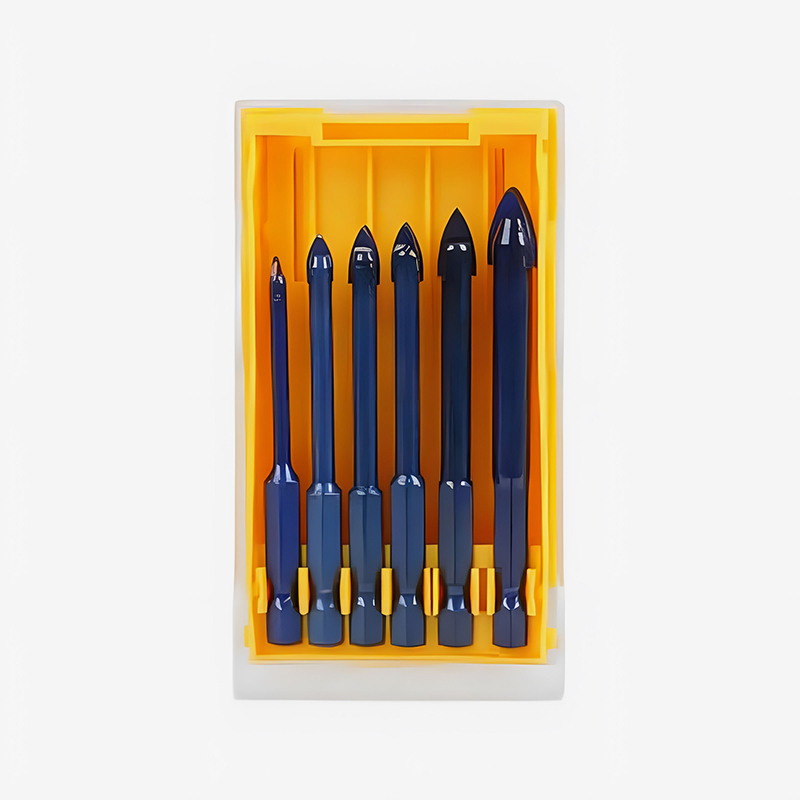
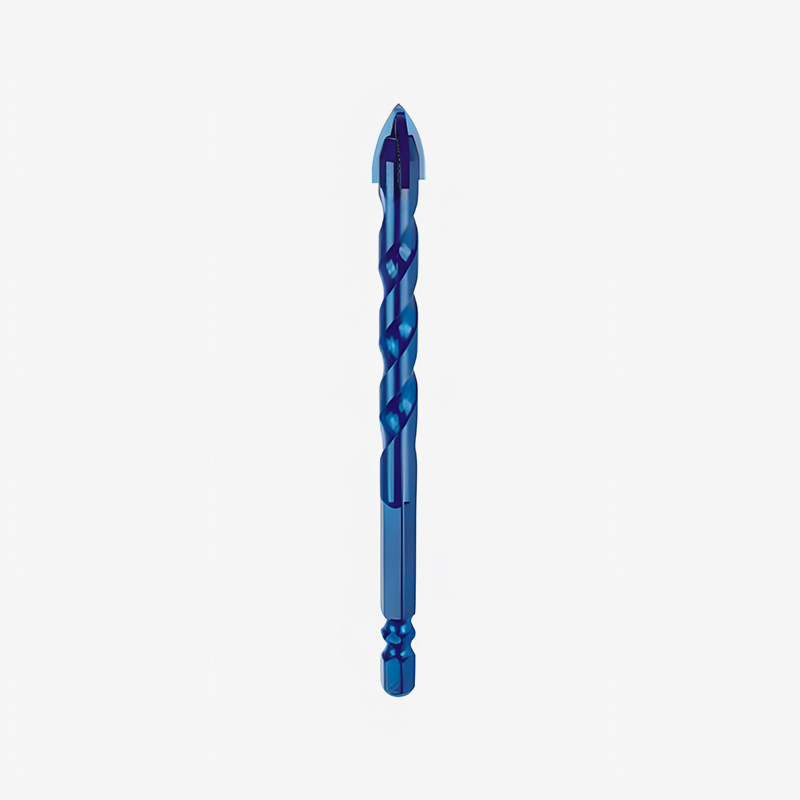
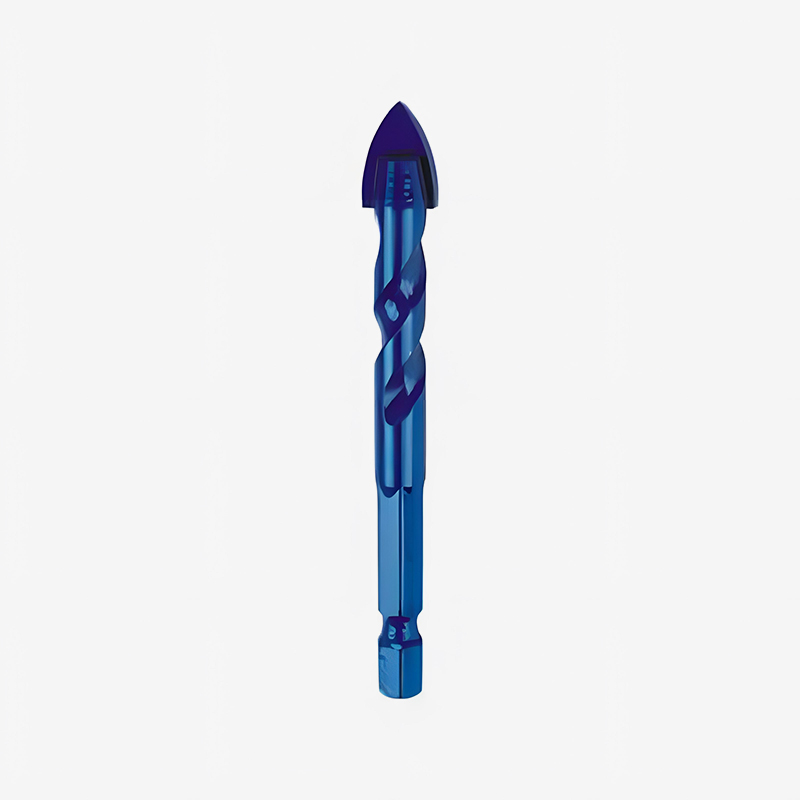
Diamond Drill Bits for Tile: Abrasive Precision for Fragile Hard Surfaces
Tile diamond drill bits are professionally customized for brittle and high-hardness building materials, including ceramic tiles, polished porcelain tiles, glazed panels, architectural glass and natural decorative stone. These materials are indispensable for modern interior decoration and architectural facade design, yet their inherent physical properties bring prominent drilling difficulties: concentrated instantaneous mechanical force will directly lead to edge chipping, penetrating cracks and overall fracture of workpieces.
Application Environments in Modern Installation Work
Tile diamond drill bits are extensively adopted in the following indoor installation and decoration scenarios:
- Wall tile laying and fixed hole drilling for bathrooms
- Hole processing for kitchen ceramic backsplash panels
- Secondary drilling and modification of porcelain stone countertops
- Mounting and fixing construction of glass hardware and decorative fittings
- On-site hole opening and position adjustment of ceramic floor tiles
- Drilling construction for natural stone decorative backgrounds and wall panels
In these fine decoration scenarios, tiny surface damage will cause obvious aesthetic defects and lead to costly rework and material waste. Therefore, stable operating performance and mild controllable cutting mode are core indicators for qualified tile drilling tools.
The mainstream public search demands also fit actual on-site construction pain points, covering typical requirements as follows:
- diamond drill bits for porcelain tile without cracking edges
- best wet use tile drill bit for bathroom installation
- professional glass and ceramic drilling bit set
- how to drill hole in tile wall without damage
Engineering Principle Behind Diamond Drilling Performance
The core working mechanism of diamond drill bits is micro-abrasive grinding, instead of mechanical cutting through meshed cutter teeth. Exposed diamond grits on the drill bit end continuously polish and remove workpiece materials at a uniform and slow speed, without generating sharp impact force on substrates.
Its core technical advantages are summarized as below:
- Excellent wear resistance under long-term friction grinding working mode
- Greatly reduced cracking risk for brittle hard building materials
- Neat round holes with smooth inner walls and almost no edge chipping
- Good compatibility with wet cooling drilling systems for real-time temperature control
Wet cooling drilling is an essential supporting process for diamond drilling tools. Cooling liquid can take away massive friction heat generated during high-speed grinding, stabilize the bonding strength between diamond particles and drill bit matrix, and prolong the service life of drilling tools by more than double. Without effective cooling, accumulated high temperature will cause rapid wear of diamond grits, and meanwhile induce thermal stress cracks on glazed tile surfaces.
Material Behavior and Drilling Challenges in Tile Applications
Ceramic and stone materials possess completely different mechanical properties compared with wood and metal materials. They will not produce plastic deformation to buffer external pressure during drilling; once the external stress exceeds the ultimate internal structural strength, sudden brittle fracture will occur instantly. Such material characteristics bring huge hidden dangers to conventional high-impact drilling operations.
Common construction defects caused by mismatched ordinary drilling tools are listed below:
- Edge collapse and gap defects around hole openings
- Radial penetrating cracks spreading across tile surfaces
- Glaze peeling and irreversible aesthetic damage on decorative surfaces
- Irregular hole shapes affecting subsequent fitting installation
- Rapid tool aging and failure caused by concentrated heat accumulation
Diamond drill bits solve the above problems fundamentally by average distributing grinding force on the whole working end, avoiding stress concentration at single cutting points featured by traditional drill bits.
Hole Saw Kit for Wood and Metal: Versatile Cutting System for Structural Materials
Different from diamond drill bits focusing on high-precision surface processing for brittle materials, wood and metal hole saw kits are designed for structural hole-making work. They are mainly used to machine large-diameter standard round holes for various common structural building substrates, meeting the through-hole processing demands in general construction and electromechanical installation projects.
Industrial and Installation Applications
Multi-functional hole saw kits are widely applied in electromechanical installation, civil construction and furniture manufacturing industries, with typical application scenarios as follows:
- Opening construction for electrical junction boxes and wire boxes
- Hole processing for HVAC ventilation pipes and air duct components
- Through-hole drilling for water supply and drainage pipelines crossing walls and plates
- Hole making and grooving procedures for customized cabinets and wooden furniture
- Blank hole processing and component assembly for thin metal sheets
- Universal hole-making work in daily building renovation and reconstruction projects
These on-site scenarios require drilling tools compatible with both soft wood substrates and medium-hard metal plates, as well as stable hole diameter accuracy and smooth cutting edges for subsequent assembly work.
Corresponding market search intentions reflect the actual tool procurement demands of front-line construction personnel:
- bi-metal hole saw kit for wood and steel cutting
- best hole saw set for electricians and plumbers
- drill hole saw kit for metal and wood installation work
- large diameter hole cutter set for construction use
Bi-Metal Construction and Cutting Mechanism
Most high-performance commercial hole saw kits adopt optimized bimetallic composite structures. The cutting edge is made of high-speed steel with high hardness and sharpness, while the saw cup main body adopts tough alloy steel with excellent anti-fracture performance. This composite structure balances cutting sharpness and overall structural toughness perfectly.
For soft wood materials, hole saws can complete fast cutting with low drilling resistance and produce burr-free neat round holes. For thin steel plates, aluminum alloy plates and other common building metal materials, hardened high-speed steel cutter teeth can maintain long-term cutting sharpness without tooth collapse.
The core performance strengths of bimetallic hole saw kits are concluded as follows:
- Efficient machining of large-diameter holes that ordinary drill bits cannot achieve
- Strong adaptability covering wood, plastic, thin metal and composite plates
- Reduced tool replacement frequency and improved continuous construction efficiency
- Stable cutting performance applicable to mixed substrate working environments
- Long service life under conventional medium-load drilling conditions

 English
 中文简体
中文简体
 русский
 Español