 English
 中文简体
中文简体
 русский
 Español

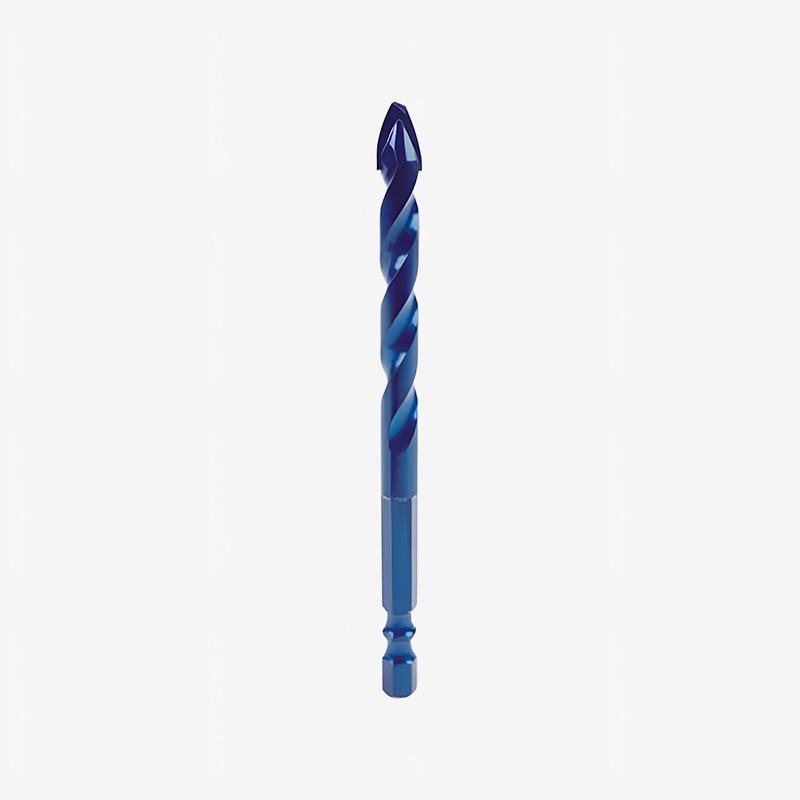
SPECIFICATION LENGTH HANDLE LONG MONEY BOX QTY 6 75 3...
See DetailsGet A Quote
Comparison of Self-Centering Woodworking Drill Bits and Masonry Drill Bit Sets
2026-06-12
Two product lines dominate professional drilling markets: masonry drill bit sets and brad point wood drill bits. Though both fall under the broader category of drilling tools, they are engineered for entirely distinct material substrates and operate on separate working principles. One is built to bore through high-hardness mineral building materials, while the other is refined to deliver ultra-precise drilling outcomes for fibrous timber products.
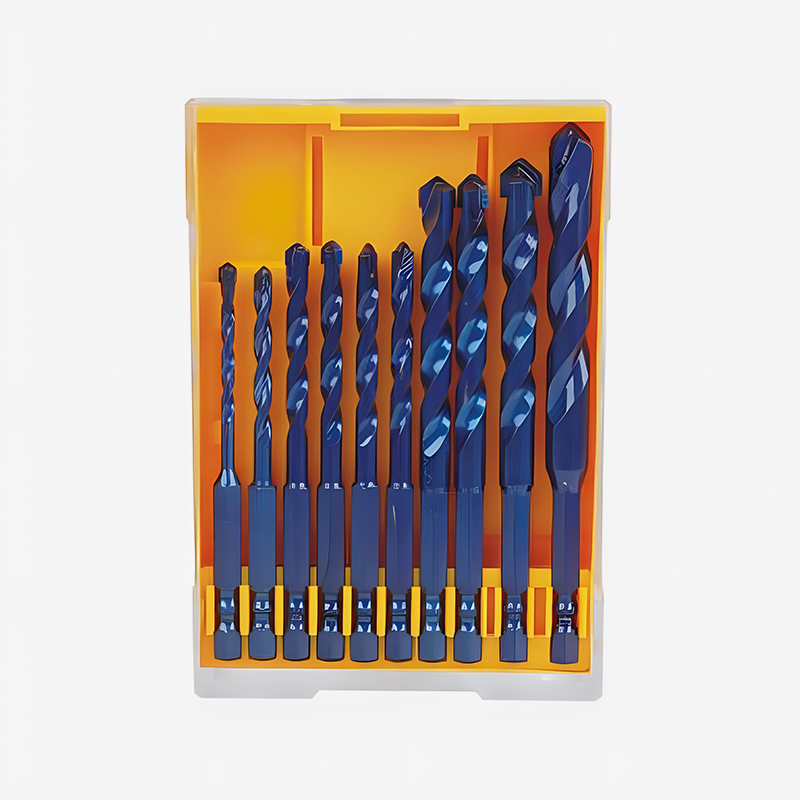
Masonry Drill Bit Set: Multi-Size Solution for Hard Wall Drilling Applications
Masonry drill bit sets are engineered to cover a full spectrum of bore diameters, catering to construction and installation tasks involving rigid wall substrates. Rather than relying on a single drill bit dimension for all tasks, tradespeople leverage complete sets to accommodate varying anchor specifications, fixture dimensions,s and on-site structural requirements.
These kits see widespread application across the following scenarios:
Construction job sites rarely feature uniform wall compositions. A single wall assembly may consist of stacked layers, rs including plaster, hollow brick, solid concrete, and mortar joints. This inconsistent material makeup demands a tool system capable of handling fluctuating drilling resistance without sacrificing operational efficiency.
Nearly all masonry drill bits feature carbide tips, which withstand abrasive mineral particles such as sand and aggregate embedded within concrete and brickwork. Unlike cutting tools that slice through substrates, masonry bits operate via impact-assisted grinding: sustained hammering force gradually fractures dense mineral structures to form clean boreholes.
Engineering Structure and Working Principle
The functional performance of masonry drill bits hinges on the synergy between impact force and tip wear resistance. Tungsten carbide inserts at the bit head are precision-manufactured to resist abrasion and chipping under continuous hammer action.
Core structural advantages include:
During operation, drill bits must adapt to sudden shifts in material density. For instance, when transitioning from soft mortar to coarse concrete aggregate or striking hidden steel rebar, the tool must maintain stable drilling trajectories without chipping or veering off course.
Application Scenarios in Professional Construction
Masonry drill bit sets are indispensable for both light renovation work and large-scale heavy construction. Common use cases include:
Fitting structural reinforcement components
Industry search queries closely mirror real-world on-site demands, such as:
For professional trades, tool reliability often outweighs raw drilling speed. Bit failure-induced downtime can severely delay project timelines and inflate construction costs.
Brad Point Drill Bits for Wood: Precision Tooling for Clean and Accurate Drilling
Woodworking drilling demands performance criteria entirely separate from masonry applications. Brad point drill bits are purpose-built to deliver precision drilling on solid timber and engineered wood panels.
The hallmark design feature of Bradd point drill bits is their sharp central positioning spur. Upon initial contact with wood surfaces, this pinpoint tip locks the bit in place to eliminate wandering, guaranteeing perfectly positioned boreholes.
These drill bits are widely deployed in:
Common industry search terms include:
Within woodworking facilities, hole precision directly determines finished assembly quality. Even minor positional deviations can lead to misaligned joints, unsightly gaps, and compromised structural stability in end products.
Structural Design Advantages in Wood Drilling
Brad point drill bits are engineered to achieve exceptional precision and burr-free cuts on fibrous wood substrates. Their optimized design incorporates:
Standard twist drill bits are prone to skidding when first contacting wood surfaces, whereas brad point geometries enable controlled drilling from the moment the bit touches the material. This characteristic makes them ideal for mass production workflows that require unwavering dimensional consistency.
Industrial and Workshop Applications
Brad point drill bits serve both small manual woodworking workshops and large automated manufacturing lines. Typical applications cover:
On industrial production lines, uniform hole positioning streamlines assembly workflows and cuts error rates during high-volume manufacturing.
Key Differences Between Masonry Drill Bit Sets and Brad Point Wood Drill Bits
While both tools fulfill drilling functions, their core design philosophies and performance benchmarks differ fundamentally.
Masonry Drill Bit Set
Industry Development Trend
From General Tools to Material-Specific Systems
Within modern construction and woodworking sectors, drill bits are no longer treated as one-size-fits-all universal tools. Instead, product development is tailored to the unique physical properties of target materials and specific operating environments.
Four pivotal industry trends drive this specialized product shift:
In response to these market shifts, tool manufacturers are prioritizing research and development in the following areas:
Masonry drill bit sets and Brad Point wood drill bits represent two core technological branches of contemporary drilling tool design.
Masonry drill bit sets deliver the rugged strength and long-term durability required for concrete, brick, and masonry construction, where impact resistance and reliable penetration are non-negotiable. Brad point drill bits deliver pinpoint precision and flawless surface finishes for woodworking, where hole accuracy and clean cutting directly define finished product quality.
SPECIFICATION LENGTH HANDLE LONG MONEY BOX QTY 6 75 3...
See Details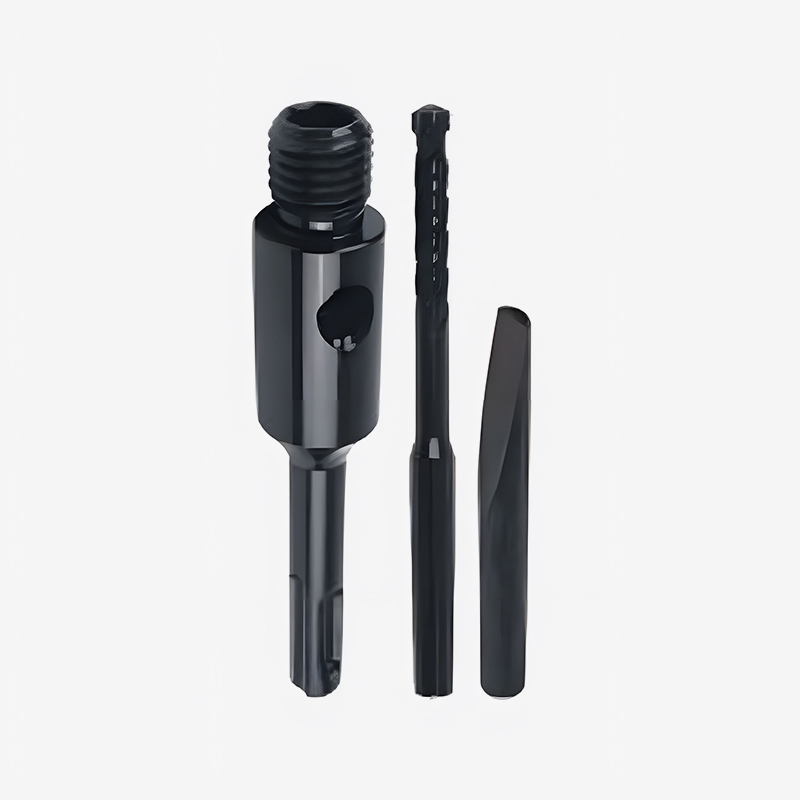
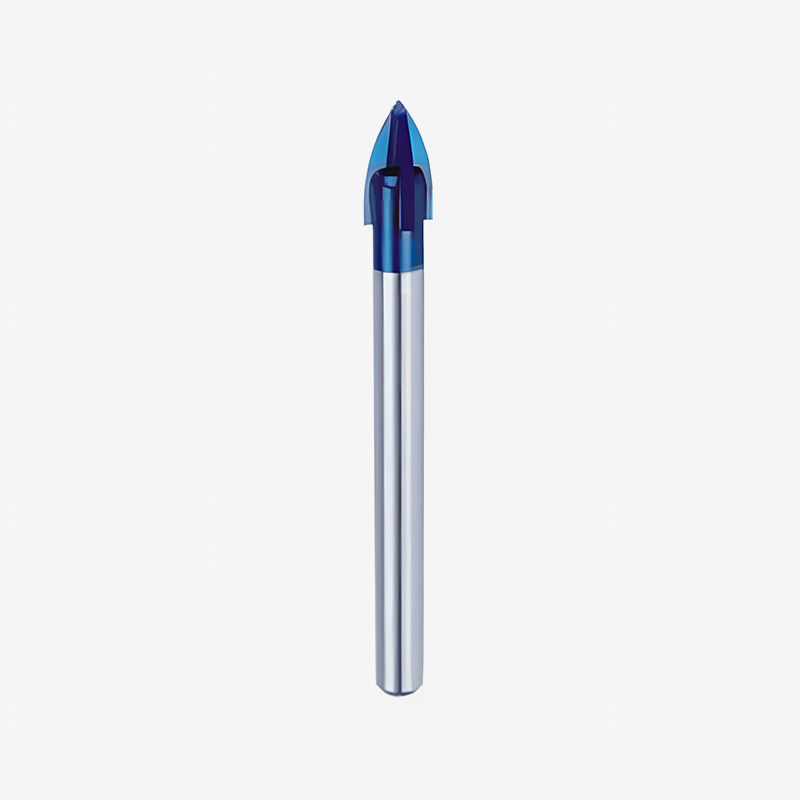
SPECIFICATION LENGTH MONEY BOX QTY 3 62 1.90 70 140...
See Details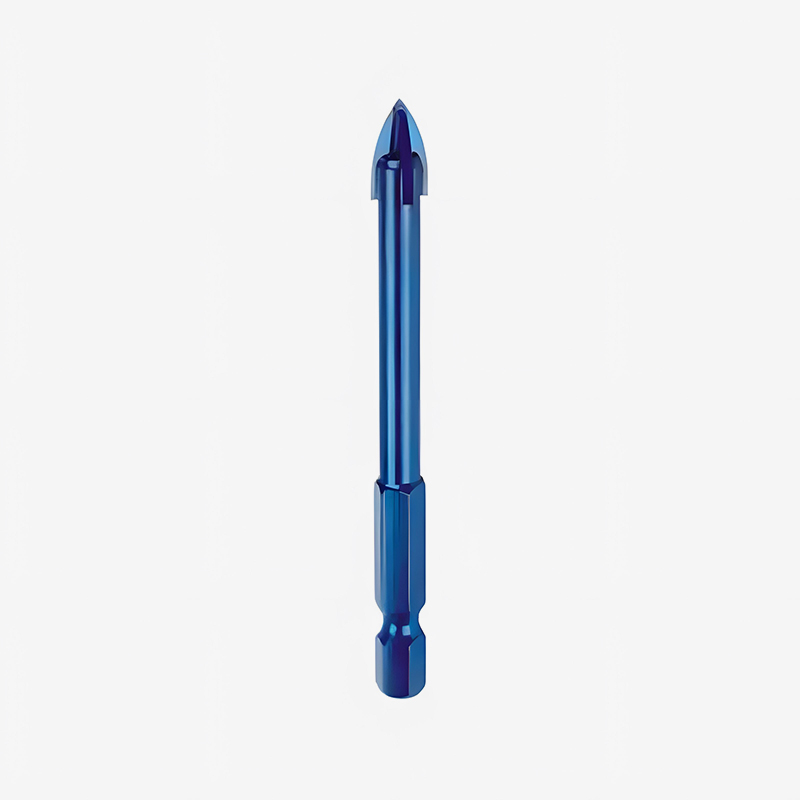
SPECIFICATION LENGTH HANDLE LONG MONEY BOX QTY 3 70 3...
See Details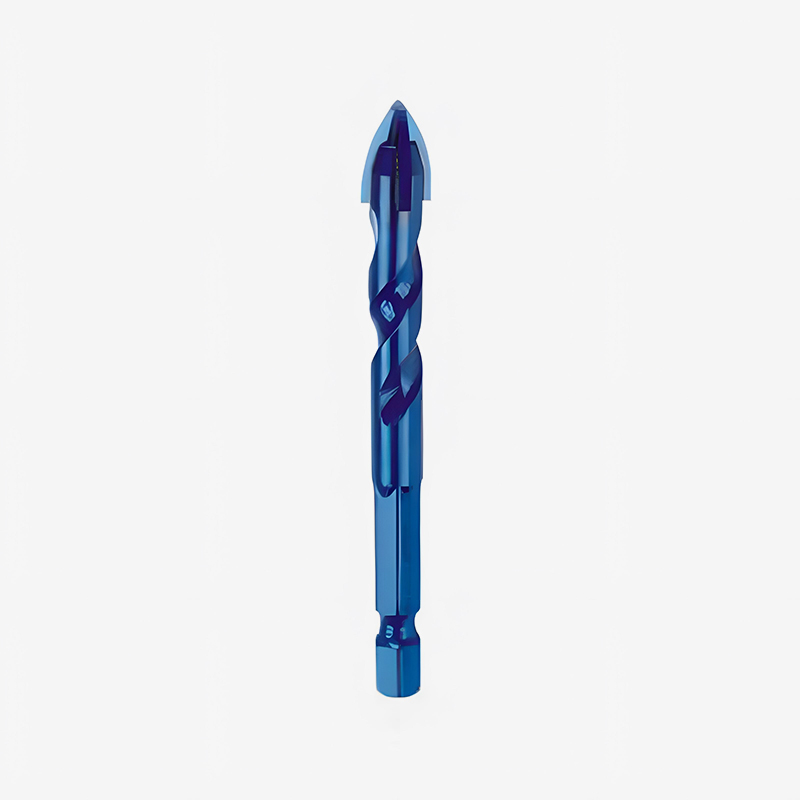
SPECIFICATION LENGTH HANDLE LONG MONEY BOX QTY 3 70 3...
See Details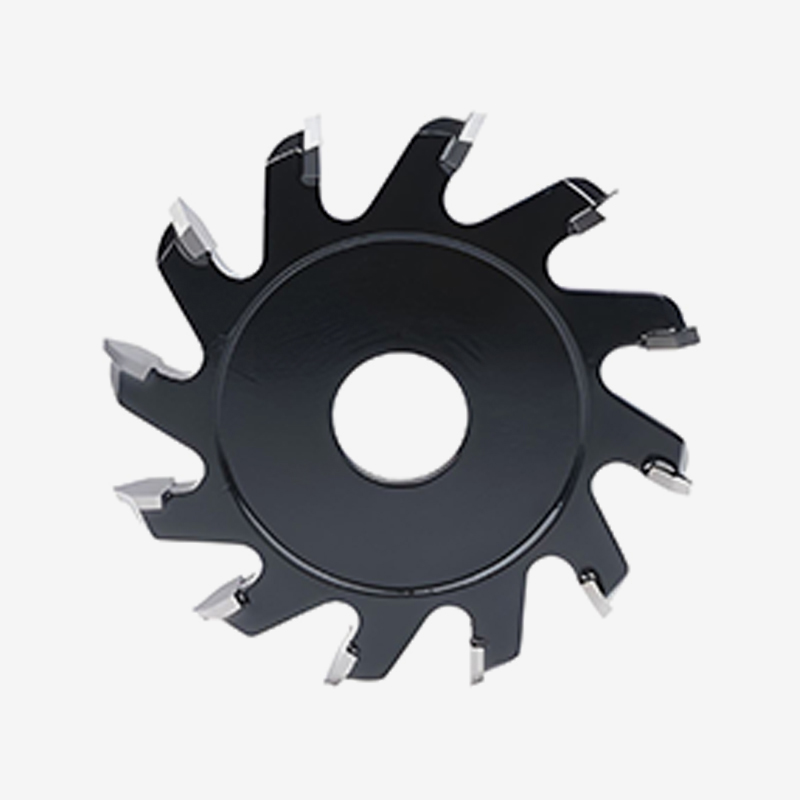
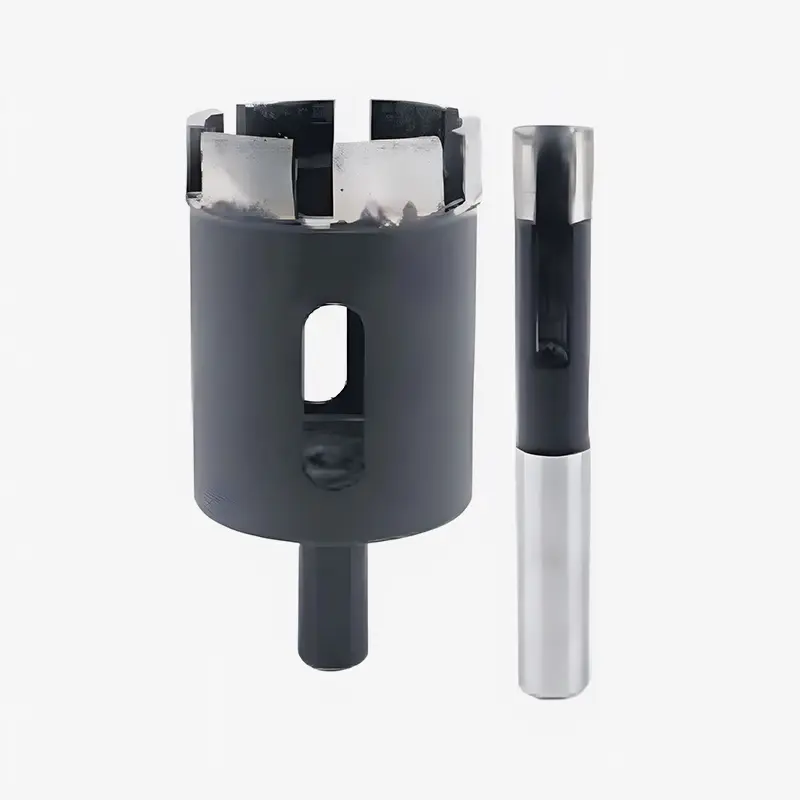
NUMBEROF TEETH CUTTINGTHICKNESS DIAMETER INNERDIAMETER MO...
See Details
NUMBEROF TEETH CUTTINGTHICKNESS DIAMETER INNERDIAMETER MO...
See DetailsNews and Blogs
Contact
Xiyan Village Industrial Zone, Qingjiang Town, Yueqing City, Zhejiang, China
+(86) 577-62265666 / +(86) 577-62265988
+(86) 13706603579 / +(86) 13757787688
Products
Mobile Terminal