 English
 中文简体
中文简体
 русский
 Español

CUT CUTDIAMETER BIT DIAMETER SHANKDIAMETER HANDLELENGTH ...
See DetailsGet A Quote
Precision Meets Power: Forstner Drill Bits for Woodworking and Concrete Drill Bits for Hammer Drills in Modern Drilling Applications
2026-05-18
In today’s woodworking workshops and construction sites, drilling tasks have become increasingly specialized. Whether the requirement is a perfectly flat-bottomed hole in furniture production or fast penetration into reinforced concrete on a job site, the performance expectation for drill bits has never been higher. As materials diversify and project standards become more demanding, two categories stand out for their industrial importance: Forstner Drill Bits for Woodworking and Concrete Drill Bits for Hammer Drill.
Although these tools operate in completely different environments—one focused on precision woodworking and the other on high-impact construction drilling—they both represent the evolution of modern drilling technology toward greater efficiency, accuracy, and material adaptability.
Forstner drill bits are widely regarded as one of the most precise drilling tools in woodworking. Unlike standard twist drill bits that create tapered or rough-bottom holes, Forstner bits are specifically designed to produce flat-bottom, clean-edged, and highly accurate holes in wood materials.
This makes them essential in professional woodworking, especially in applications where appearance, alignment, and fitting accuracy are critical.
Key Applications in Woodworking and Furniture Production
Forstner drill bits are commonly used in:
In modern furniture manufacturing, even small deviations in hole depth or diameter can lead to misalignment during assembly. Forstner bits solve this issue by maintaining consistent cutting geometry across repeated operations.
Typical search intent includes:
How Forstner Drill Bits Achieve Precision Cutting
The cutting performance of Forstner bits is based on their unique structural design:
Unlike standard drill bits that rely on aggressive penetration, Forstner bits work through controlled slicing and scraping of wood fibers. This allows them to produce smooth hole walls and flat bottoms without splintering or tear-out.
This precision makes them especially valuable in hardwood materials such as oak, maple, and beech, where fiber density can easily cause chipping if improperly drilled.
Industrial Importance in Modern Woodworking
As furniture manufacturing shifts toward modular and precision-based assembly systems, Forstner drill bits have become a standard tool in both manual workshops and CNC-assisted production lines.
Their advantages include:
In high-end cabinetry and interior design manufacturing, drilling quality directly influences product value and assembly efficiency.
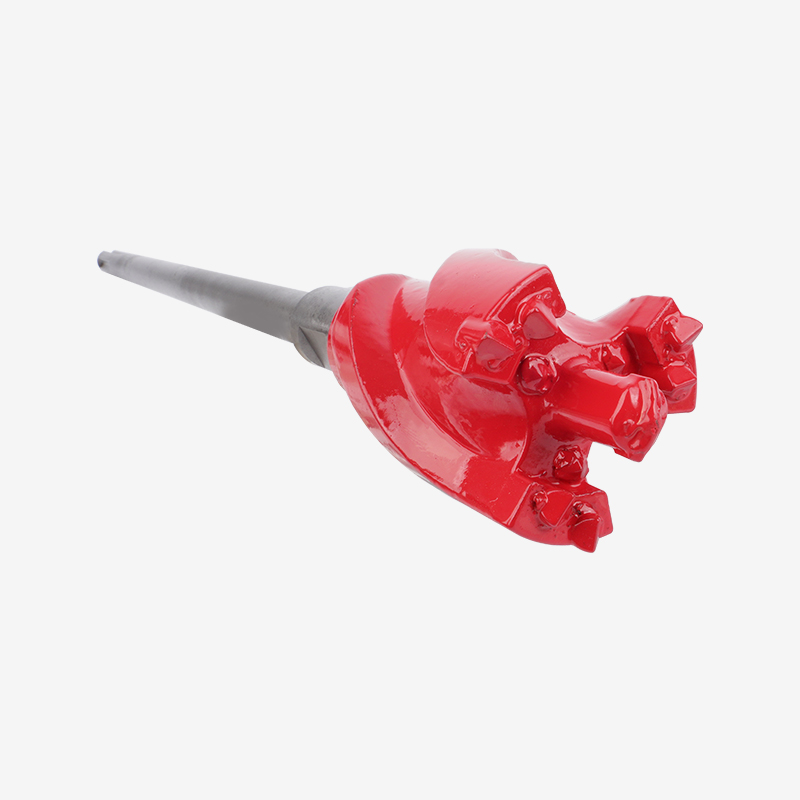
On the opposite side of the tooling spectrum are Concrete Drill Bits for Hammer Drill, designed for one of the most demanding environments in construction: drilling into reinforced masonry and concrete structures.
Unlike woodworking, concrete drilling requires tools that can withstand both rotational force and high-frequency impact energy. This dual-force system is what makes hammer drilling essential in construction applications.
Common Construction Applications
Concrete drill bits for hammer drills are widely used in:
In modern buildings, walls are often composed of layered materials such as cement, aggregate, and steel reinforcement bars. This creates highly variable resistance during drilling, requiring tools that can maintain performance under unpredictable conditions.
Search intent often includes:
Engineering Structure and Impact Resistance
Concrete drill bits are typically engineered with tungsten carbide tips, which provide high hardness and abrasion resistance. This is critical when drilling into concrete, which contains sharp aggregates that rapidly wear down standard steel bits.
Key structural features include:
The hammer drill mechanism delivers rapid percussion force, allowing the bit to fracture and remove concrete material layer by layer rather than cutting through it continuously.
Challenges in Reinforced Concrete Drilling
One of the biggest challenges in construction drilling is encountering reinforcement steel bars within concrete structures. When a drill bit hits rebar, it experiences sudden resistance and heat buildup, which can cause premature wear or breakage.
High-quality concrete drill bits are designed to:
This makes tool quality a critical factor in construction efficiency and safety.
Although both tools are used for drilling, their functions and engineering principles are fundamentally different.
Forstner Drill Bits for Woodworking
Concrete Drill Bits for Hammer Drill
Modern tool development is moving away from universal drill bits toward highly specialized systems optimized for specific materials and applications.
This shift is driven by:
As a result, manufacturers are focusing on:
Forstner drill bits for woodworking and concrete drill bits for hammer drills represent two essential pillars of modern drilling applications.
Forstner bits deliver unmatched precision, clean hole quality, and flat-bottom accuracy for woodworking and furniture manufacturing. Concrete drill bits provide the power, durability, and impact resistance required for construction and masonry drilling.
Together, they illustrate a key transformation in the tooling industry: modern drilling performance is no longer defined by a single universal solution, but by specialized tools engineered for the unique demands of each material and application environment.
CUT CUTDIAMETER BIT DIAMETER SHANKDIAMETER HANDLELENGTH ...
See Details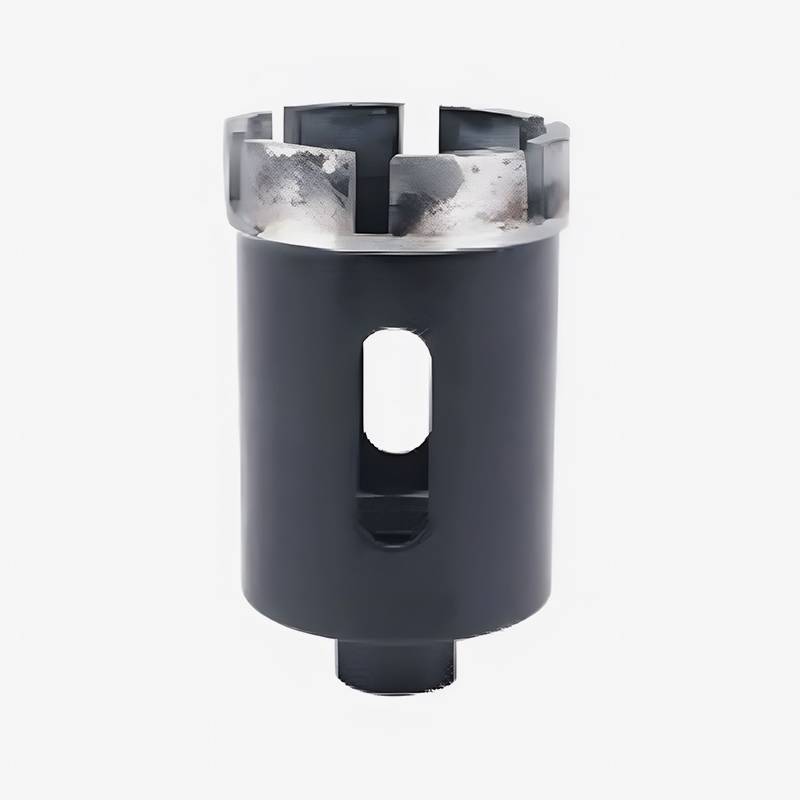
SPECIFICATION LENGTH HANDLE LONG MONEY BOX QTY 6 60 2...
See Details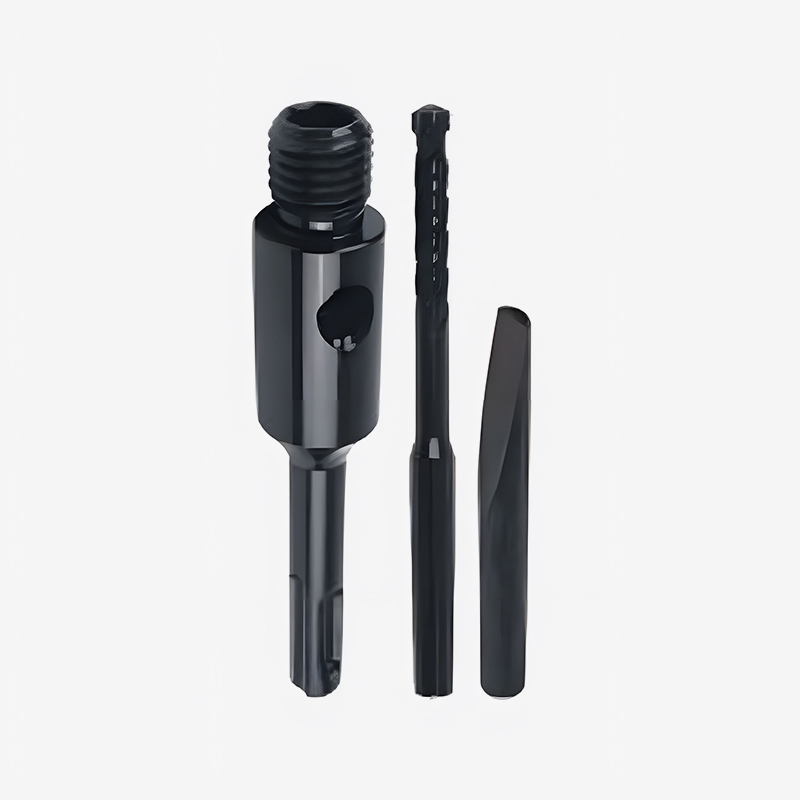
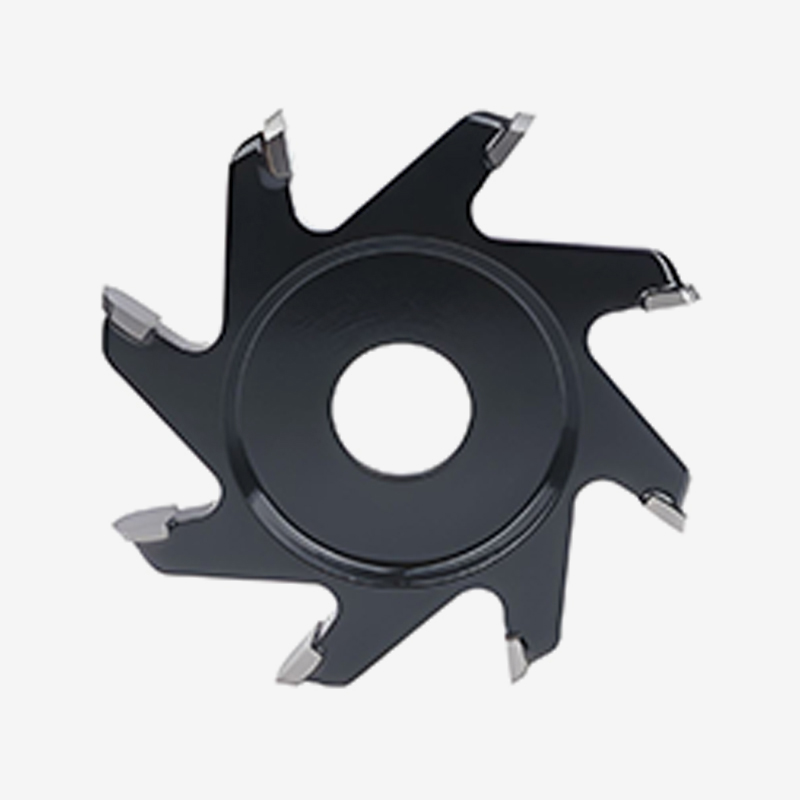
NUMBEROF TEETH CUTTINGTHICKNESS DIAMETER INNERDIAMETER MO...
See Details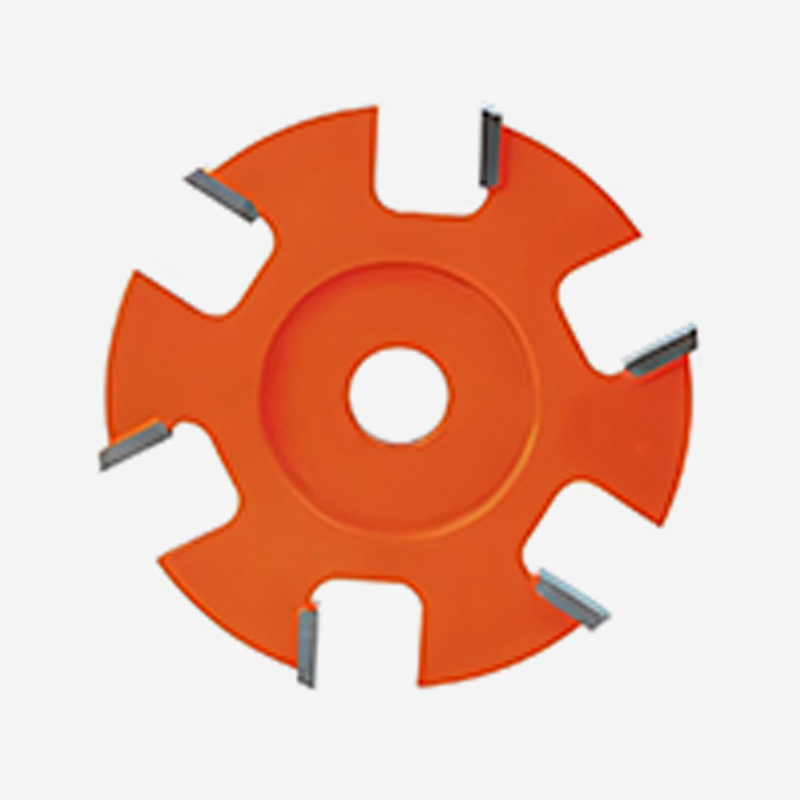
NUMBEROF TEETH CUTTINGTHICKNESS DIAMETER INNERDIAMETER MO...
See Details
NUMBEROF TEETH CUTTINGTHICKNESS DIAMETER INNERDIAMETER MO...
See DetailsNews and Blogs
Contact
Xiyan Village Industrial Zone, Qingjiang Town, Yueqing City, Zhejiang, China
+(86) 577-62265666 / +(86) 577-62265988
+(86) 13706603579 / +(86) 13757787688
Products
Mobile Terminal