 English
 中文简体
中文简体
 русский
 Español

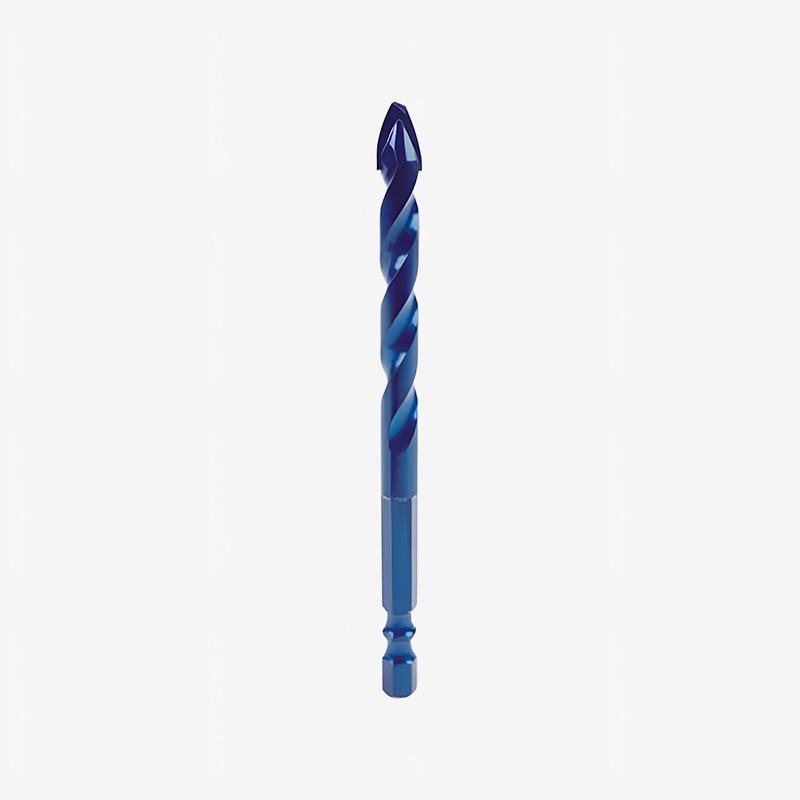
B002-1 CUT CUT DIAMETER BIT DIAMETER SHANK DIAMETER HA...
See DetailsGet A Quote
Precision Hole-Making Technologies in Modern Construction: Diamond Drill Bits for Tile and Hole Saw Kits for Wood and Metal
2026-05-18
In contemporary construction, renovation, and installation industries, drilling and hole-making operations have evolved far beyond simple mechanical tasks. Modern projects often involve layered materials, decorative surfaces, and mixed structural systems that require different cutting technologies within the same workflow. As a result, professionals increasingly rely on specialized tooling that can maintain accuracy, surface integrity, and efficiency under varying conditions.
Two widely used categories in this field are Diamond Drill Bits for Tile and Hole Saw Kit for Wood and Metal. Although both are designed for creating circular openings, they operate on fundamentally different cutting principles and serve distinct industrial applications. Understanding their differences is essential for improving installation quality, reducing material damage, and increasing job-site productivity.
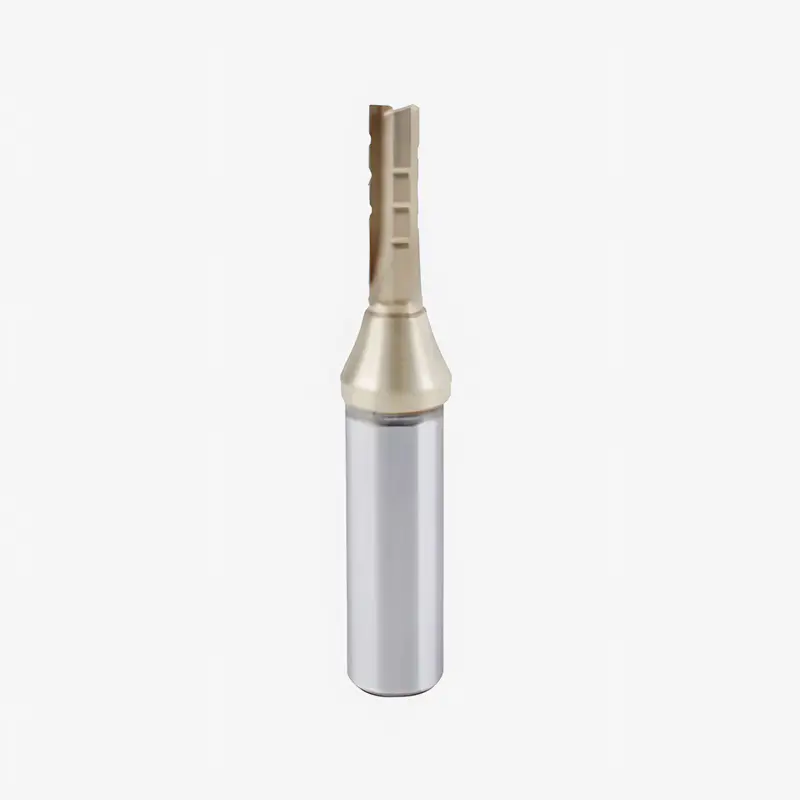
Diamond drill bits for tile are specifically engineered for materials that combine high hardness with high brittleness, such as ceramic tile, porcelain, glazed surfaces, glass, and natural stone. These materials are widely used in modern interior and architectural design, but they present a major challenge during drilling: they can crack or chip easily under concentrated mechanical force.
To solve this issue, diamond drill bits do not rely on traditional cutting edges. Instead, they use industrial-grade diamond particles bonded to the cutting surface, allowing the tool to grind through the material gradually rather than slicing it aggressively.
Application Environments in Modern Installation Work
Diamond drill bits for tile are commonly used in:
In these environments, even small surface damage can lead to visible defects and costly rework. Therefore, tool stability and controlled cutting behavior are critical.
Typical search intent reflects real installation requirements:
Engineering Principle Behind Diamond Drilling Performance
The working principle of diamond drill bits is based on abrasive micro-cutting, not mechanical tooth engagement. The diamond particles continuously grind away the surface layer at a controlled rate.
Key technical characteristics include:
Wet drilling is especially important because it reduces friction temperature, improves diamond bonding stability, and significantly extends tool lifespan. Without cooling, excessive heat may cause premature wear or surface cracking in delicate tile materials.
Material Behavior and Drilling Challenges in Tile Applications
Tile and ceramic materials behave differently from wood or metal. Instead of deforming under pressure, they tend to fail suddenly when stress exceeds internal structural limits. This makes uncontrolled drilling particularly risky.
Common issues without proper tooling include:
Diamond drill bits address these issues by distributing cutting force evenly across the abrasive surface rather than concentrating it at a single cutting edge.
While diamond drill bits focus on brittle surface precision, hole saw kits for wood and metal are designed for structural cutting applications where larger diameter openings are required across a variety of materials.
A hole saw kit typically includes multiple saw cup sizes, a central arbor system, and sometimes pilot drill bits, allowing users to create standardized circular openings efficiently in different working conditions.
Industrial and Installation Applications
Hole saw kits for wood and metal are widely used in:
These applications require tools that can handle both soft and semi-hard materials while maintaining consistent cutting diameter and edge quality.
Search intent commonly includes:
Bi-Metal Construction and Cutting Mechanism
Most modern hole saw kits use bi-metal construction, combining high-speed steel cutting teeth with a flexible alloy steel body. This combination allows the tool to maintain sharpness while resisting fracture under stress.
In wood materials, hole saws cut quickly with minimal resistance, producing clean circular openings. In metal applications, particularly thin steel sheets or aluminum panels, the hardened cutting teeth provide sufficient durability for stable cutting performance.
Key performance advantages include:
Operational Considerations in Multi-Material Projects
Modern installation projects rarely involve a single material type. A typical building system may include:
Hole saw kits are particularly valuable in these environments because they allow users to maintain consistent hole dimensions across different substrates without switching to specialized tools for every material layer.
However, cutting performance must still be adjusted based on material hardness, spindle speed, and pressure control to prevent overheating or tool wear.
Although both tools are used for creating circular holes, their engineering principles and application targets are significantly different.
Diamond Drill Bits for Tile
Hole Saw Kit for Wood and Metal
The global tooling industry is shifting toward solutions that support mixed-material environments and faster installation workflows. This trend is driven by several factors:
As a result, manufacturers are investing in:
In real-world construction and installation projects, diamond drill bits and hole saw kits are often used together within the same workflow:
This combination allows professionals to move seamlessly between decorative surface work and structural installation tasks without compromising quality or efficiency.
Diamond drill bits for tile and hole saw kits for wood and metal represent two essential directions in modern drilling and cutting technology.
Diamond drill bits deliver high-precision abrasive cutting for fragile, high-hardness surface materials, ensuring clean results without cracking or surface damage. Hole saw kits provide flexible, large-diameter cutting capability across wood, metal, and mixed-material environments, supporting efficient installation workflows.
Together, they reflect a broader transformation in the tooling industry: modern drilling performance is no longer defined by a single universal tool, but by specialized systems engineered for specific materials, application conditions, and installation requirements.
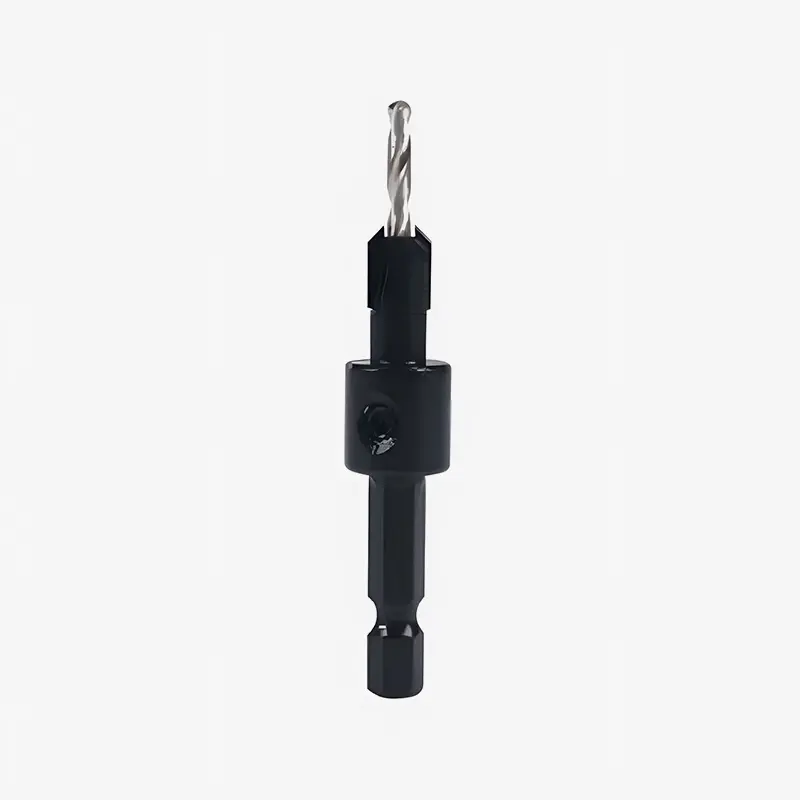
B002-1 CUT CUT DIAMETER BIT DIAMETER SHANK DIAMETER HA...
See Details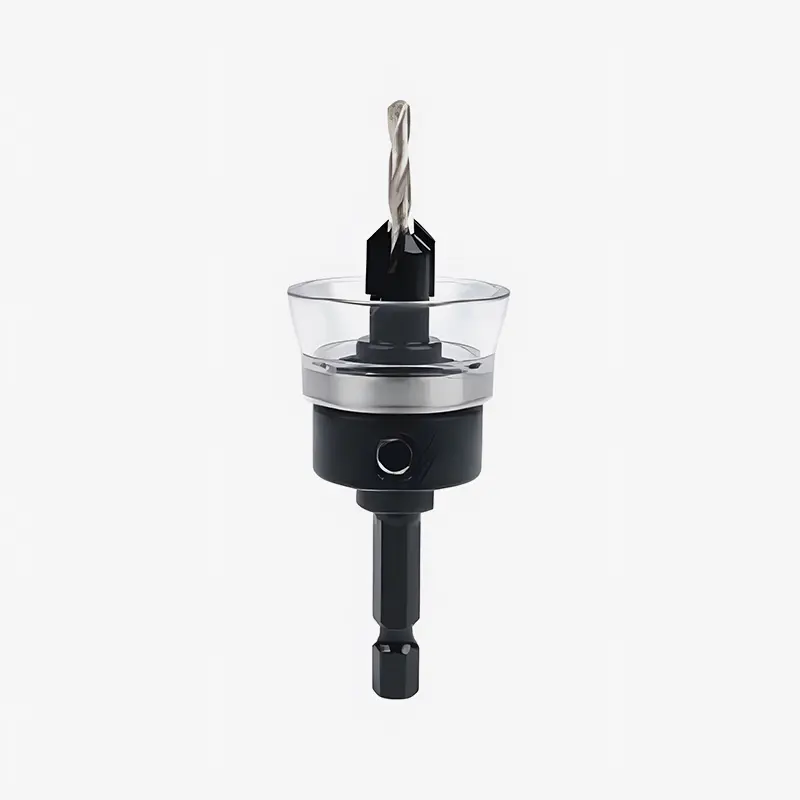
CUT CUTDIAMETER BIT DIAMETER SHANKDIAMETER HANDLELENGTH ...
See Details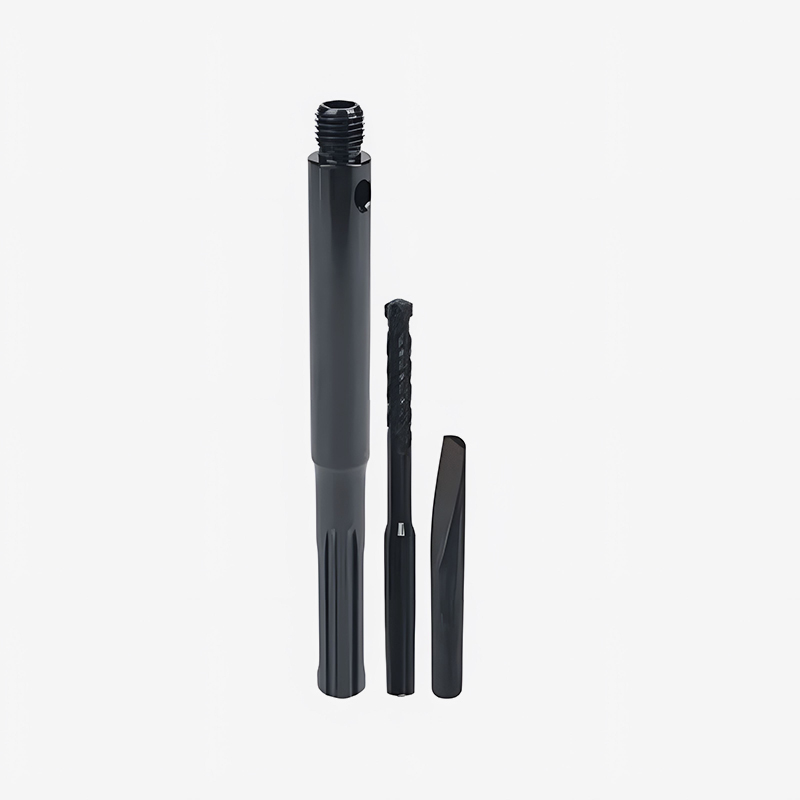
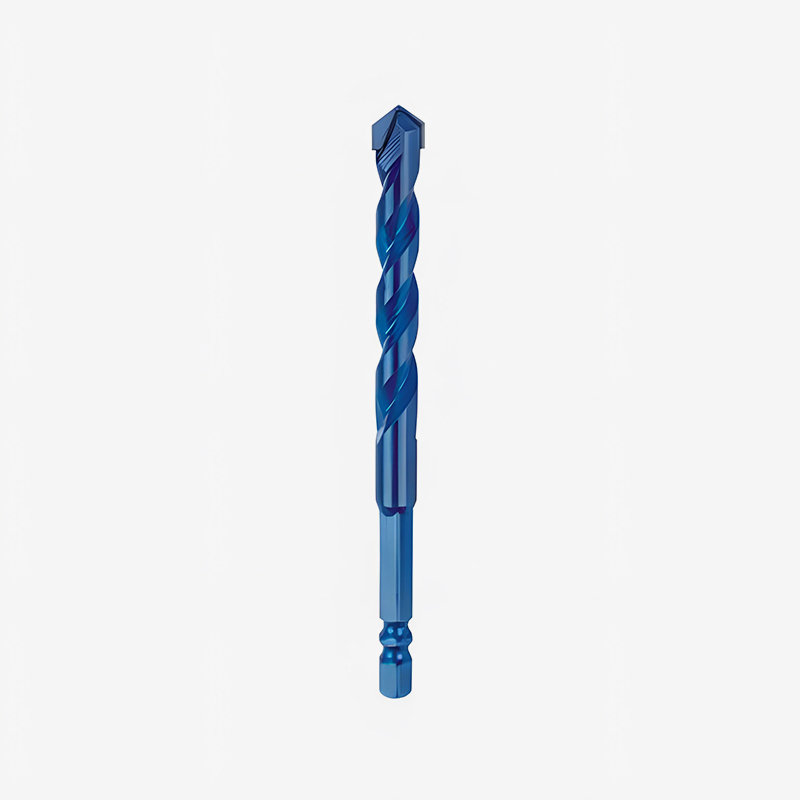
SPECIFICATION LENGTH HANDLE LONG MONEY BOX QTY 3 90 4...
See Details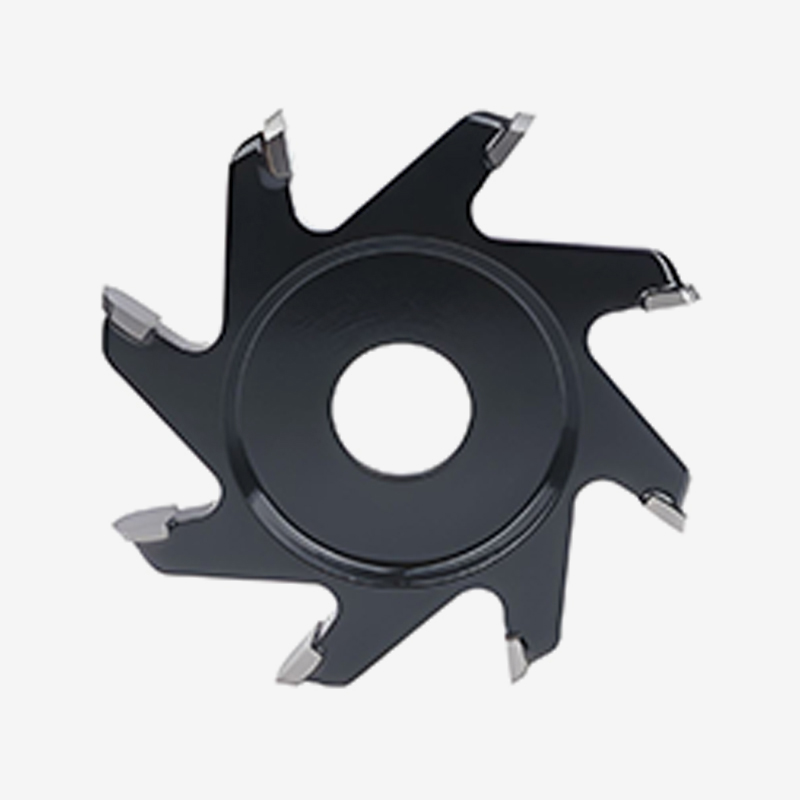
NUMBEROF TEETH CUTTINGTHICKNESS DIAMETER INNERDIAMETER MO...
See Details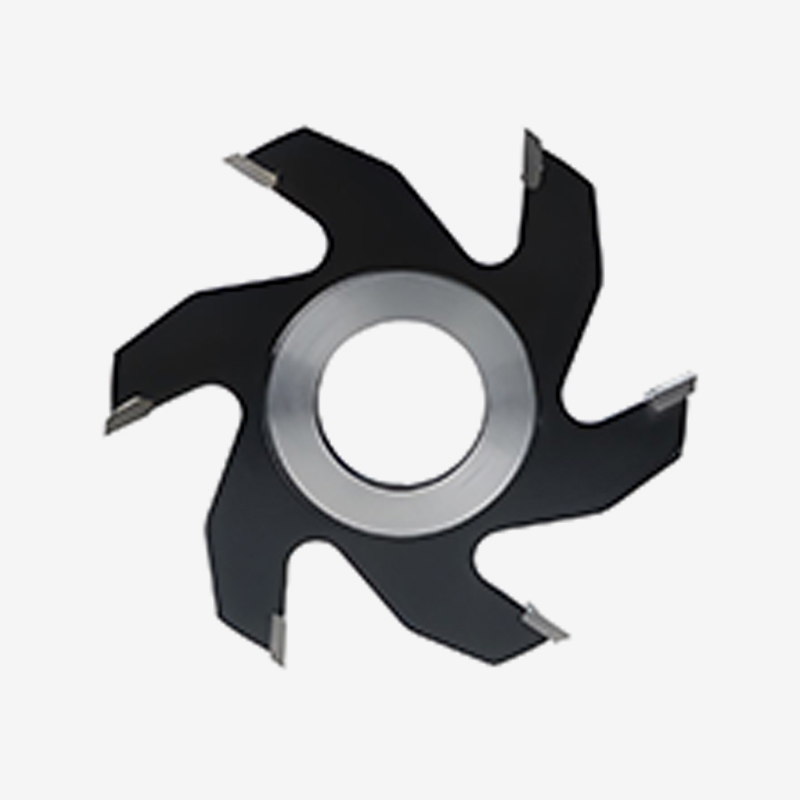
NUMBEROF TEETH CUTTINGTHICKNESS DIAMETER INNERDIAMETER MO...
See Details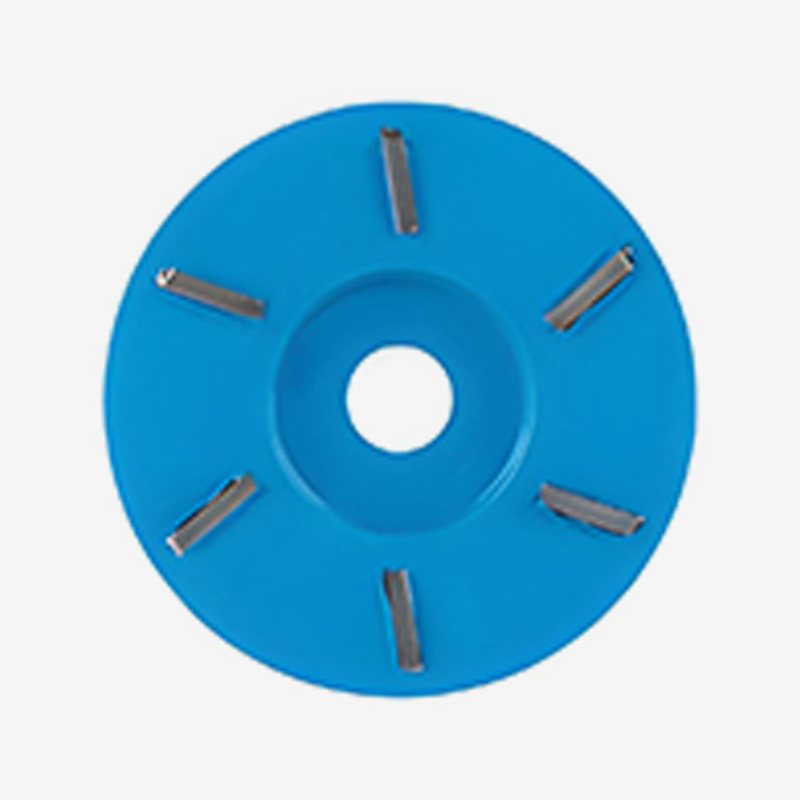
NUMBEROF TEETH CUTTINGTHICKNESS DIAMETER INNERDIAMETER MO...
See DetailsNews and Blogs
Contact
Xiyan Village Industrial Zone, Qingjiang Town, Yueqing City, Zhejiang, China
+(86) 577-62265666 / +(86) 577-62265988
+(86) 13706603579 / +(86) 13757787688
Products
Mobile Terminal