 English
 中文简体
中文简体
 русский
 Español

B002-1 CUT CUT DIAMETER BIT DIAMETER SHANK DIAMETER HA...
See DetailsGet A Quote
Modern Drilling Solutions for Construction and Woodworking: Masonry Drill Bit Sets vs Brad Point Drill Bits for Wood
2026-05-18
In today’s construction and manufacturing environments, drilling is no longer a simple auxiliary process. It directly affects installation quality, structural safety, and production efficiency. As materials become more diverse and processing requirements become stricter, tool selection has shifted from general-purpose drilling to highly specialized systems.
Among the most widely used categories in professional markets are Masonry Drill Bit Set and Brad Point Drill Bits for Wood. Although both belong to the drilling tool family, they serve completely different material systems and working logic—one is designed for high-resistance mineral materials, while the other is optimized for precision in fiber-based wood materials.
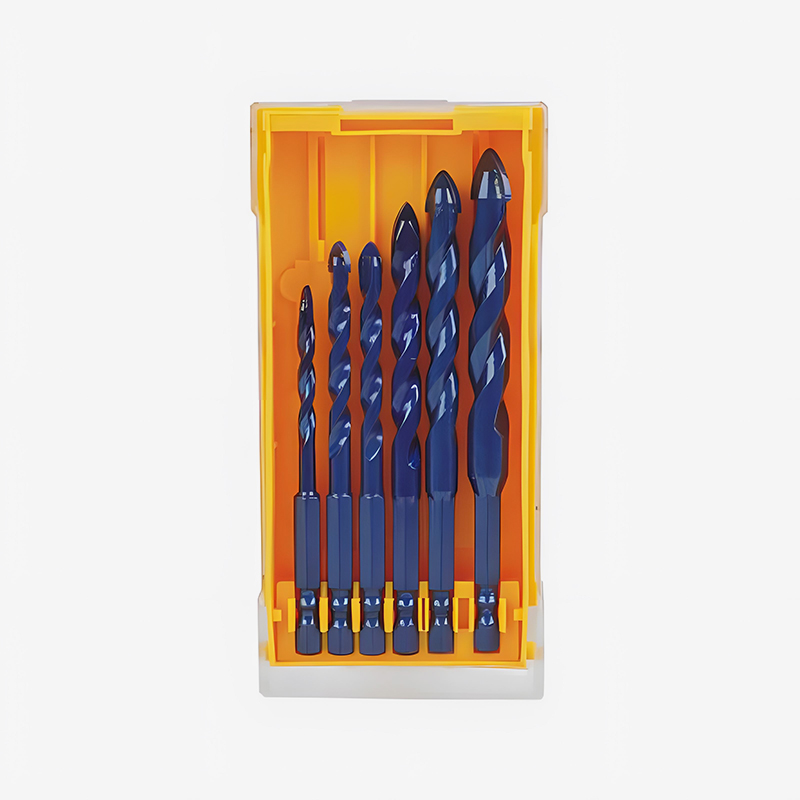
A masonry drill bit set is designed to provide a complete range of diameters for construction and installation work involving hard wall materials. Instead of relying on a single drill size, professionals use sets to handle different anchor points, fixture sizes, and structural requirements on-site.
These sets are widely used in:
In real construction environments, walls are rarely uniform. A single surface may include multiple layers such as plaster, hollow brick, solid concrete, and mortar joints. This variability makes it necessary to use a tool system that can handle inconsistent resistance while maintaining drilling efficiency.
Most masonry drill bits are carbide-tipped, which allows them to withstand abrasive mineral content such as sand and aggregates embedded in concrete or brick. The cutting process is not based on slicing but on impact-assisted grinding, where repeated hammer force breaks down the material structure gradually.
Engineering Structure and Working Principle
The performance of masonry drill bits depends on a combination of impact force and tip durability. The carbide insert at the tip is engineered to resist wear under continuous hammering conditions.
Key structural characteristics include:
During drilling, the bit must handle sudden changes in material density. For example, when moving from mortar to concrete aggregate or encountering hidden reinforcement, the tool must maintain stability without chipping or deflecting.
Application Scenarios in Professional Construction
Masonry drill bit sets are essential in both light-duty renovation and heavy construction projects. They are commonly used for:
Search intent often reflects real job-site needs such as:
In professional environments, tool reliability is often more important than drilling speed alone, because downtime caused by bit failure can significantly delay project schedules.
In contrast to masonry drilling, woodworking requires a completely different performance focus. Brad Point Drill Bits for Wood are designed specifically for precision drilling in wood and engineered wood materials.
The defining feature of a brad point drill bit is its sharp center point, which acts as a positioning guide during the initial contact with the material. This prevents the bit from wandering on the surface, ensuring accurate hole placement.
These drill bits are widely used in:
Search behavior often includes:
In woodworking industries, hole accuracy is directly linked to assembly quality. Even a minor deviation can result in misaligned joints, visible gaps, or structural instability in the final product.
Structural Design Advantages in Wood Drilling
Brad point drill bits are engineered to deliver high precision and clean cutting results in fiber-based materials. Their design typically includes:
Unlike standard twist drill bits, which may drift during entry, brad point designs ensure controlled drilling from the very first contact point. This makes them especially suitable for batch production environments where consistency is critical.
Industrial and Workshop Applications
Brad point drill bits are widely used in both manual woodworking shops and automated production environments. Typical applications include:
In industrial production lines, consistent hole positioning improves assembly efficiency and reduces error rates during mass production.
Although both tools are used for drilling, their design logic and performance requirements are fundamentally different.
Masonry Drill Bit Set
Brad Point Drill Bits for Wood
In modern construction and woodworking industries, drilling tools are no longer considered universal products. Instead, they are developed based on specific material behavior and application environments.
Several major trends are driving this shift:
As a result, tool manufacturers are focusing more on:
Masonry drill bit sets and brad point drill bits for wood represent two essential directions in modern drilling technology.
Masonry drill bit sets provide the strength and durability required for concrete, brick, and masonry construction environments, where impact resistance and penetration capability are critical. Brad point drill bits deliver precision and surface quality for woodworking applications, where accuracy and clean cutting define product quality.
Together, they highlight a key reality in modern industry: drilling efficiency is no longer determined by tool size or power alone, but by how intelligently a tool is designed for the material it is meant to process.
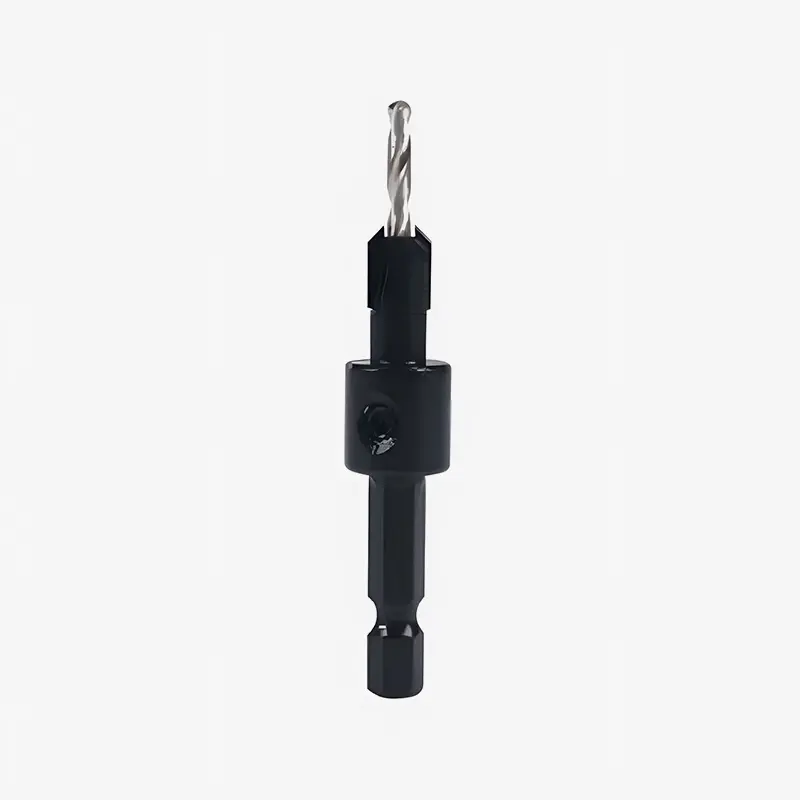
B002-1 CUT CUT DIAMETER BIT DIAMETER SHANK DIAMETER HA...
See Details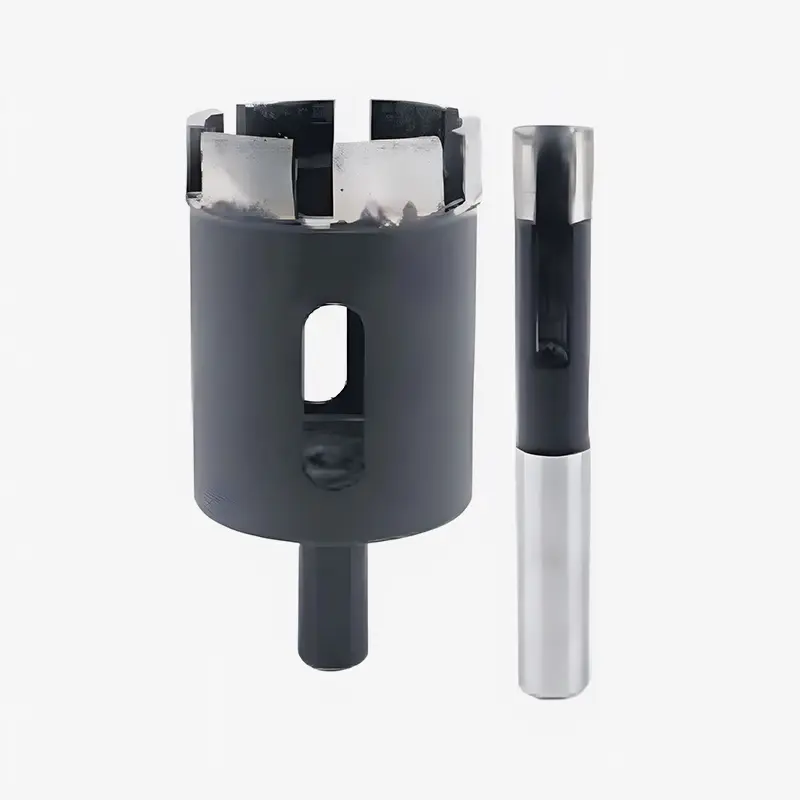
SPECIFICATION LENGTH HANDLE LONG MONEY BOX QTY 6 75 3...
See Details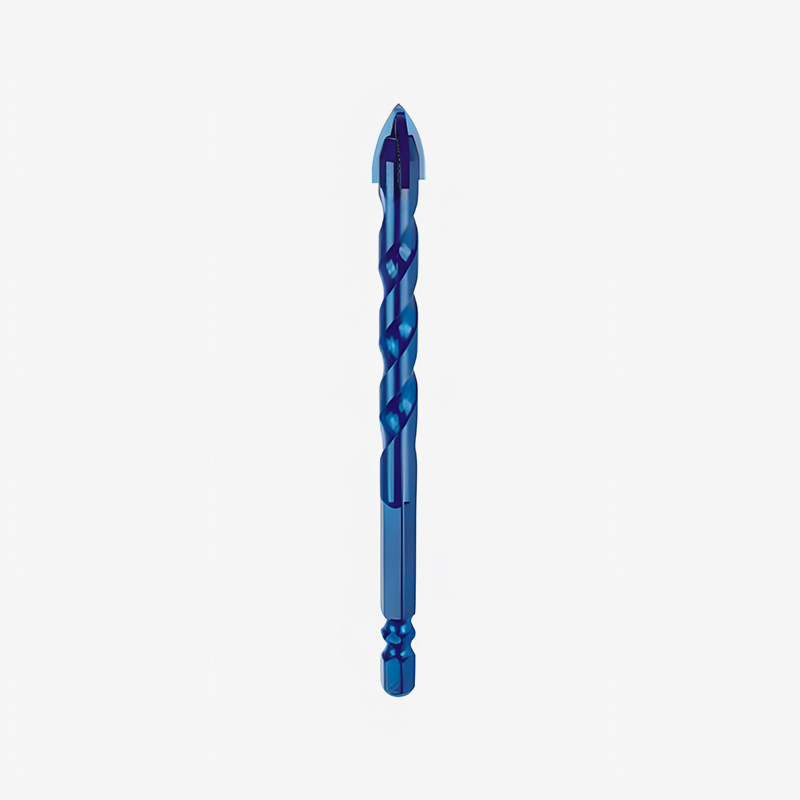
SPECIFICATION LENGTH HANDLE LONG MONEY BOX QTY 3 92 4...
See Details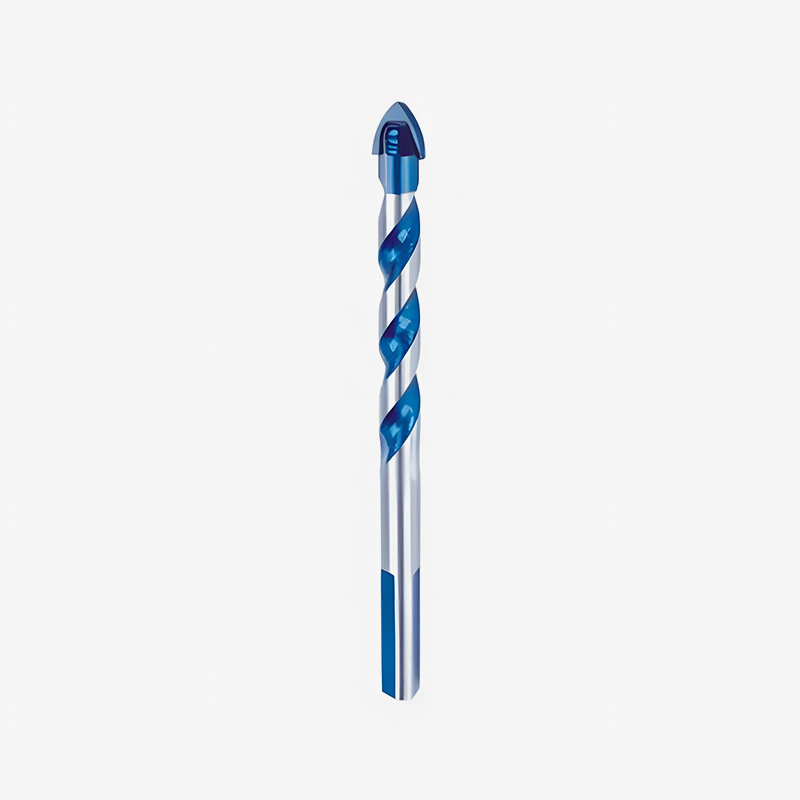
SPECIFICATION LENGTH MONEY BOX QTY 3 80 1.15 100 1...
See Details
SPECIFICATION LENGTH HANDLE LONG MONEY BOX QTY 3 70 3...
See DetailsNews and Blogs
Contact
Xiyan Village Industrial Zone, Qingjiang Town, Yueqing City, Zhejiang, China
+(86) 577-62265666 / +(86) 577-62265988
+(86) 13706603579 / +(86) 13757787688
Products
Mobile Terminal