 English
 中文简体
中文简体
 русский
 Español

SPECIFICATION MONEY SPECIFICATION MONEY SPECIFICATION MON...
See DetailsGet A Quote
From Construction to CNC Manufacturing: How SDS Plus Drill Bits and Spiral Router Bits for CNC Define Modern Tooling Efficiency
2026-05-18
Across global construction sites and CNC machining workshops, one pattern has become increasingly clear: productivity is no longer driven only by machines or operator skill, but by the performance stability of cutting tools. As materials become harder, production cycles faster, and precision requirements stricter, tooling systems must evolve accordingly.
Two tool categories that clearly represent this shift are SDS Plus Drill Bits and Spiral Router Bits for CNC. Although they belong to completely different industries—construction drilling and CNC manufacturing—they both reflect the same direction of development: higher efficiency, better material adaptability, and more controlled cutting behavior under demanding conditions.
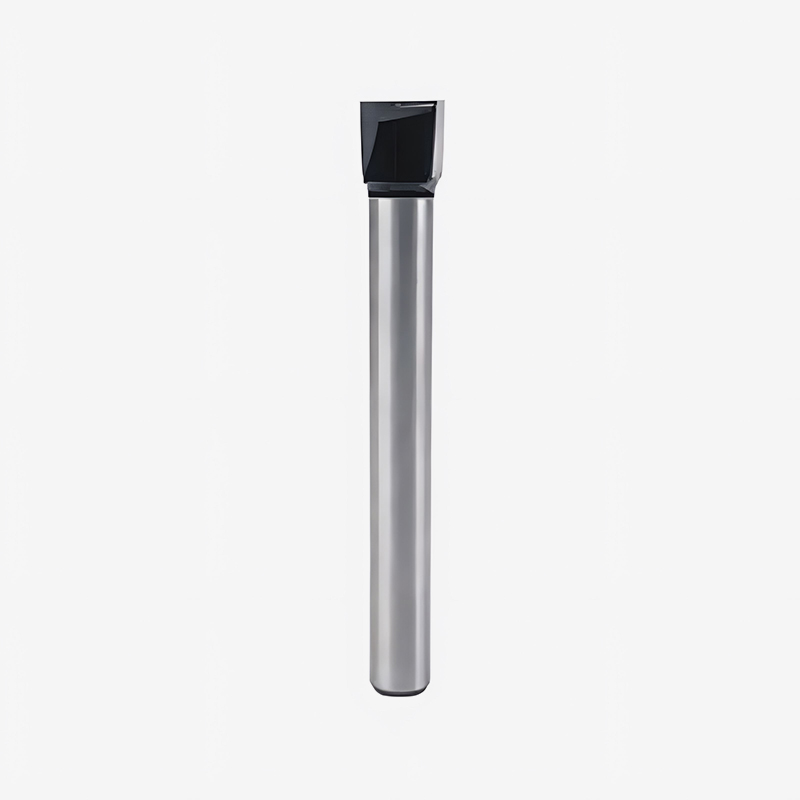
SDS Plus Drill Bits are widely recognized as a standard solution for rotary hammer drilling systems. Their defining feature is not only the carbide tip or flute design, but the SDS Plus shank system, which enables secure locking and efficient transmission of impact energy.
In real construction environments, drilling is rarely performed on soft or uniform materials. Walls and structural elements often include:
These materials require a combination of rotation and high-frequency impact force to break internal structure efficiently. This is exactly where SDS Plus systems become essential.
Real Application Scenarios on Job Sites
SDS Plus Drill Bits are commonly used in:
Unlike standard drill bits, SDS Plus tools are designed to maintain stability under repeated impact loading. The internal design of the shank prevents slippage, while the energy transfer mechanism ensures that most of the hammer force is delivered directly to the cutting tip rather than being lost through the chuck interface.
The performance of SDS Plus Drill Bits depends heavily on engineering design and material selection. Most professional-grade tools use tungsten carbide inserts at the tip, which significantly improve resistance to abrasion and heat generated during impact drilling.
Key structural advantages include:
In reinforced concrete drilling, the tool is often exposed to sudden changes in density, especially when encountering steel reinforcement bars. This creates extreme stress on the cutting edge. High-quality SDS Plus bits are designed to maintain cutting stability even under these unpredictable conditions.
Because of this, contractors often prioritize durability and consistency over initial purchase cost, especially in large-scale construction projects where tool failure directly affects project timelines.
While SDS Plus Drill Bits are built for impact and structural resistance, Spiral Router Bits for CNC are designed for a completely different environment: high-speed automated machining.
CNC routing systems operate under controlled digital paths, where cutting precision, surface finish, and repeatability are critical. Spiral router bits are specifically engineered to meet these requirements.
They are widely used in:
Unlike straight flute tools, spiral geometry improves cutting efficiency by continuously guiding chips away from the cutting zone, reducing heat buildup and preventing clogging.
The spiral structure of these tools is not simply a design variation—it directly determines machining behavior.
Different spiral configurations serve different production needs:
This adaptability makes spiral router bits highly valuable in CNC environments where material types and cutting requirements vary frequently.
Common search intent includes:
In production environments, tool geometry directly influences not only cutting performance but also post-processing workload such as sanding and edge finishing.
As CNC machining becomes more automated, tooling requirements have shifted from simple cutting ability to long-term operational stability.
Spiral router bits are designed to support:
In industrial production lines, even minor variations in tool balance or sharpness can lead to cumulative errors across large batches of products. This makes tooling consistency a critical factor in manufacturing efficiency.
Industries that rely heavily on CNC spiral router bits include:
Although SDS Plus Drill Bits and Spiral Router Bits for CNC operate in completely different environments, they share a common engineering philosophy: optimizing cutting performance for specific material conditions rather than general-purpose use.
SDS Plus Drill Bits (Construction Sector)
Spiral Router Bits for CNC (Manufacturing Sector)
This comparison highlights how modern tooling has evolved into specialized systems rather than universal solutions.
A major transformation is occurring across both construction and manufacturing industries: cutting tools are no longer viewed as simple consumables.
Instead, they are now considered part of the production system itself.
This shift is driven by:
As a result, tool selection now involves engineering-level considerations such as:
Manufacturers are responding by developing more specialized, application-specific tooling rather than universal designs.
SDS Plus Drill Bits and Spiral Router Bits for CNC represent two essential directions in modern industrial tooling development.
SDS Plus systems ensure reliable impact drilling performance in demanding construction environments where material resistance is high and conditions are unpredictable. Spiral router bits enable high-precision, high-speed machining in CNC manufacturing systems where consistency and surface quality determine production success.
Although their applications differ, both tool types demonstrate a shared industry reality: in modern construction and manufacturing, efficiency is no longer determined only by machines or operators, but by the engineering quality and application-specific design of the cutting tools themselves.
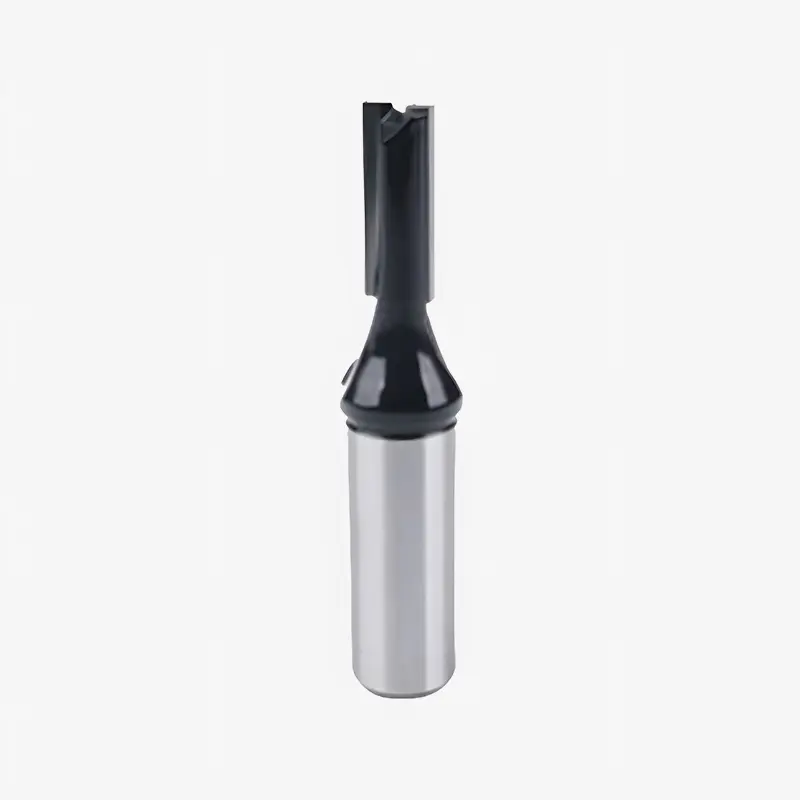
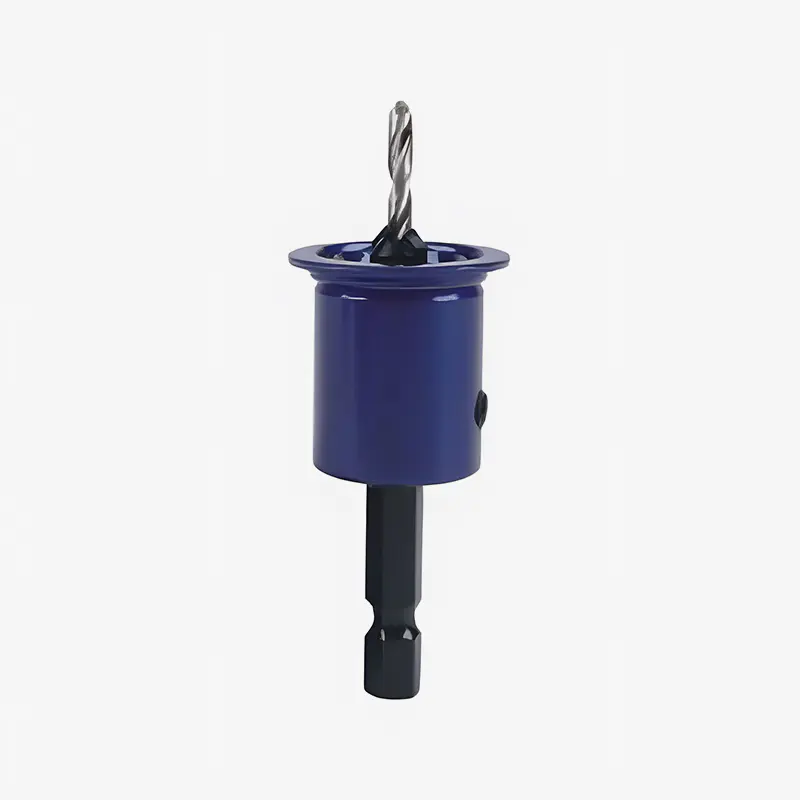
B002-2 CUT CUTDIAMETER BIT DIAMETER SHANKDIAMETER HAND...
See Details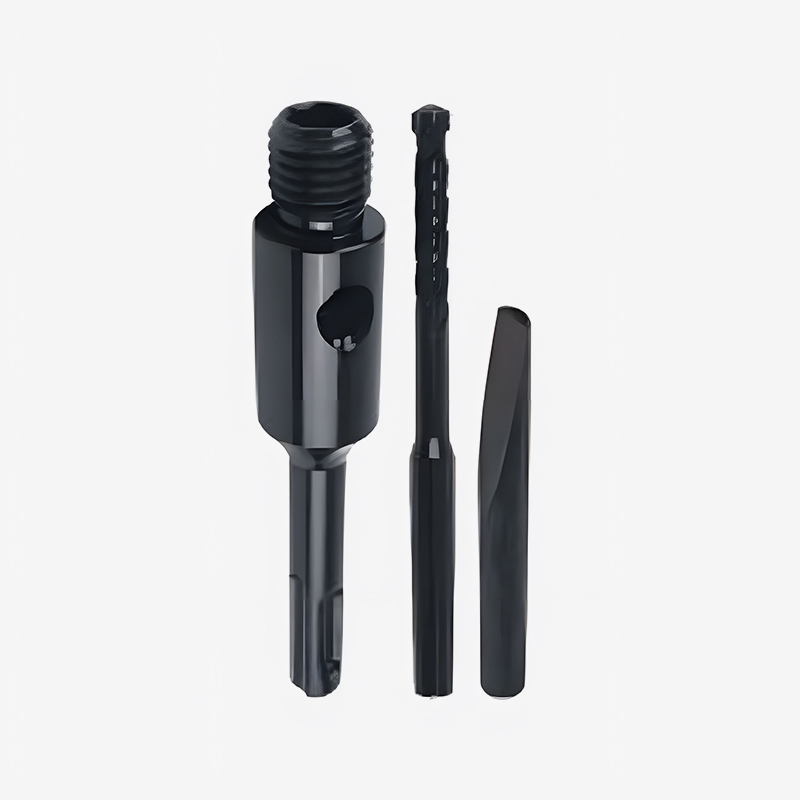
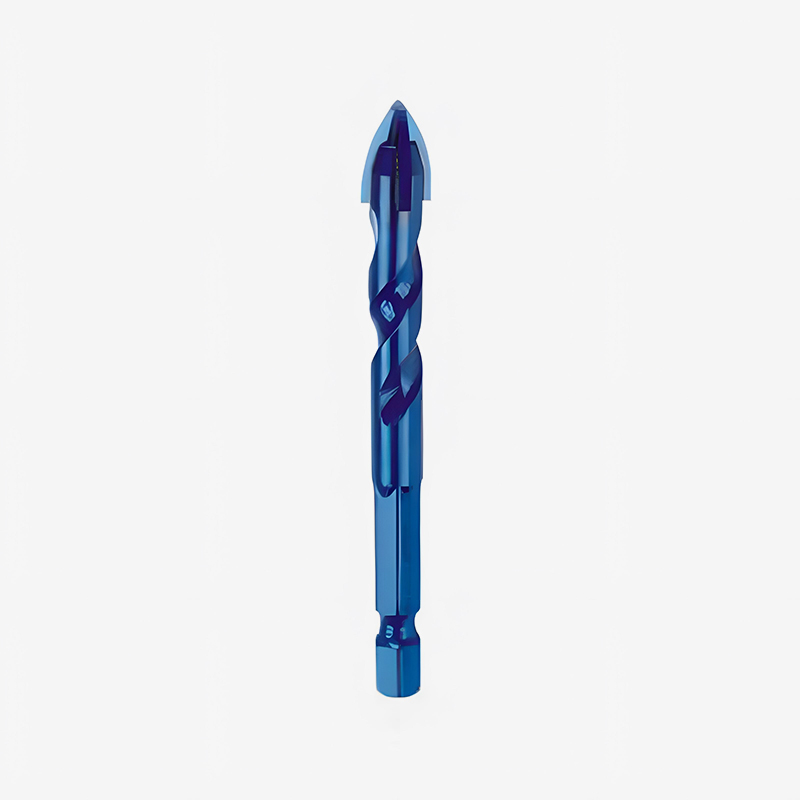
SPECIFICATION LENGTH HANDLE LONG MONEY BOX QTY 3 70 3...
See Details
NUMBEROF TEETH CUTTINGTHICKNESS DIAMETER INNERDIAMETER MO...
See DetailsNews and Blogs
Contact
Xiyan Village Industrial Zone, Qingjiang Town, Yueqing City, Zhejiang, China
+(86) 577-62265666 / +(86) 577-62265988
+(86) 13706603579 / +(86) 13757787688
Products
Mobile Terminal