 English
 中文简体
中文简体
 русский
 Español

SPECIFICATION MONEY SPECIFICATION MONEY SPECIFICATION MON...
See DetailsGet A Quote
Wood Milling Cutter Factory Develops Practical Solutions for Cleaner and More Efficient Wood Processing
2026-08-21
Wood Milling Cutter Factory products are gaining attention among global woodworking businesses that need better cutting results for furniture, interior decoration, and customized wood projects. Overseas buyers and engineers are increasingly focusing on how to reduce surface defects, improve machining stability, and select suitable cutters for different wood materials. With the growth of CNC woodworking applications, choosing the right milling cutter has become an important factor in maintaining production quality and improving workflow efficiency.
Addressing Common Problems in Daily Wood Milling Operations
In many woodworking environments, cutting problems are often related to unsuitable tool selection rather than machine performance. Issues such as rough edges, uneven grooves, excessive dust, and frequent tool changes can affect production schedules and finishing quality.
A properly designed wood milling cutter helps operators achieve smoother machining results by matching the cutter structure with the material and processing method. Whether working with solid wood, MDF, plywood, or engineered boards, the cutter needs to provide stable cutting performance during repeated operations.
Choosing the Right Cutter Design for Different Materials
Different wood materials have different densities and processing characteristics. A cutter used for detailed furniture components may require different features compared with one used for larger panel processing.
When selecting a wood milling cutter, buyers usually consider several practical factors:
Understanding these details allows companies to avoid unnecessary adjustments and improve overall production consistency.
Improving CNC Machining Efficiency with Suitable Tools
The increasing adoption of CNC woodworking equipment has changed how companies approach tool selection. Automated machining requires cutters that can maintain stable dimensions and predictable cutting performance throughout the production process.
For engineers, the connection between cutter quality and machine efficiency is becoming more noticeable. A suitable milling cutter can help reduce interruptions caused by poor cutting results and support more accurate production of complex wood designs, including decorative panels, cabinet parts, and customized components.
Material Selection Influences Cutting Performance
The performance of a milling cutter depends greatly on the materials and manufacturing processes used during production. Carbide cutters are commonly selected for woodworking applications because they provide good wear resistance and maintain cutting ability during repeated use.
For purchasing teams, understanding the relationship between cutter material and application helps create better sourcing decisions. A cutter designed for regular woodworking tasks should balance cutting ability, service requirements, and processing conditions rather than focusing only on initial purchase cost.
Customization Helps Meet Different Production Requirements
Woodworking companies often have unique production methods, which means standard cutter specifications may not always meet their needs. Custom options allow businesses to select tools based on machine models, product designs, and processing targets.
A professional supplier can provide adjustments in areas such as:
This flexibility supports companies that handle different woodworking projects and need reliable tools for changing production demands.
Supplier Communication Reduces Tool Selection Challenges
For international buyers, purchasing woodworking tools involves more than comparing product specifications. Clear communication about material types, machine conditions, and expected results can prevent unsuitable selections.
Experienced suppliers usually help customers analyze application details before recommending suitable products. This process can reduce testing time and improve cooperation between buyers and suppliers, especially for companies purchasing woodworking tools in larger quantities.
Supporting Better Woodworking Results Through Tool Innovation
As woodworking businesses continue to improve production methods, demand for reliable and application-focused cutting tools continues to grow. A Wood Milling Cutter Factory that understands real processing challenges can provide practical solutions for different industries and machining environments. For companies looking for a Wood Milling Cutter Factory or professional wood milling cutter supplier, selecting products based on material compatibility, machine requirements, and cutting performance can help create smoother workflows and more consistent woodworking results.
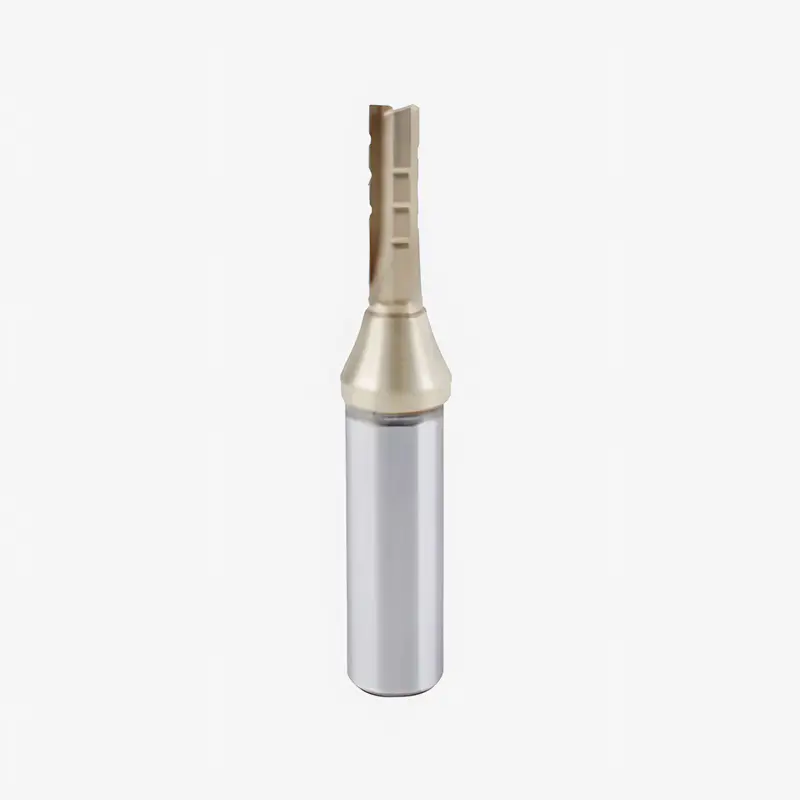
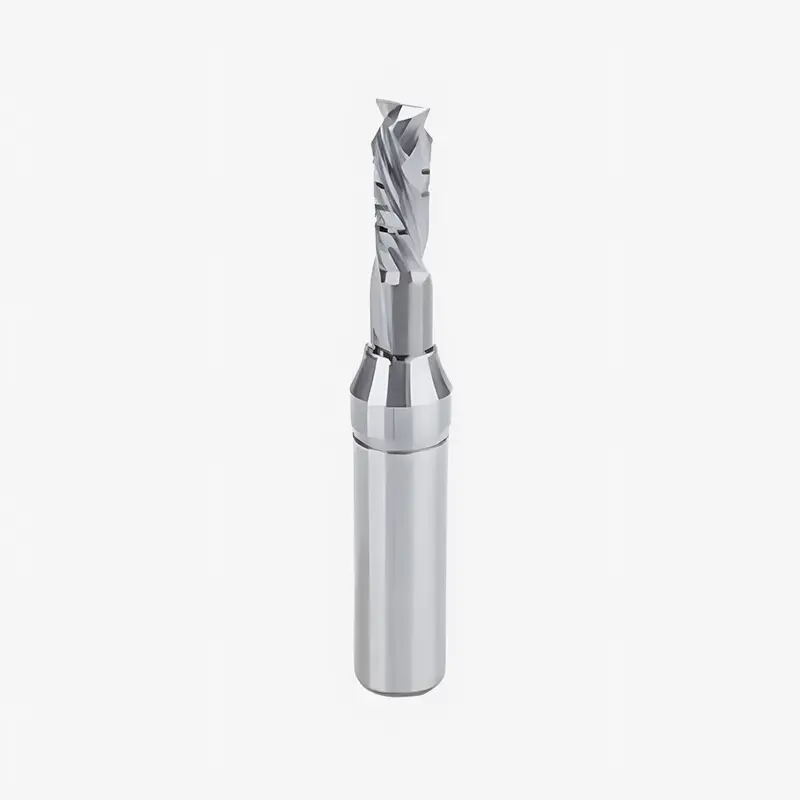
SPECIFICATION MONEY SPECIFICATION MONEY SPECIFICATION MON...
See Details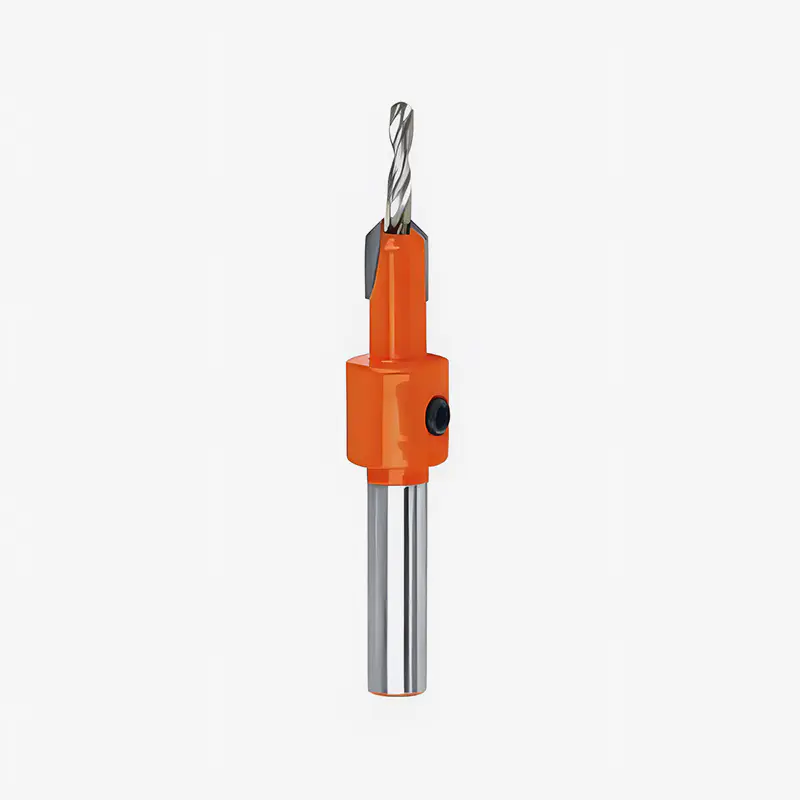
CUT CUTDIAMETER BIT DIAMETER SHANKDIAMETER HANDLELENGTH ...
See Details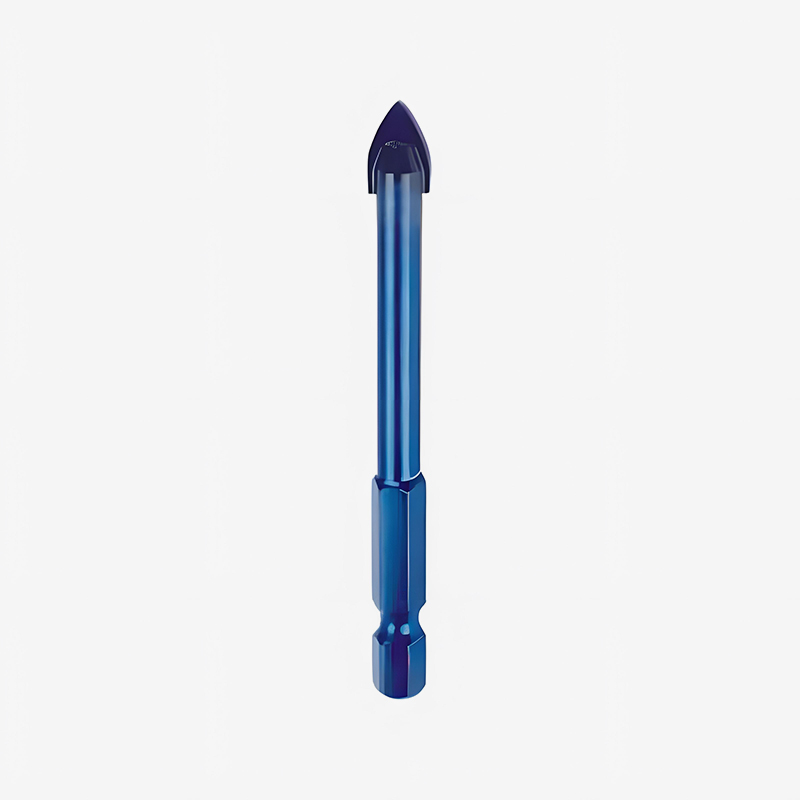
SPECIFICATION LENGTH HANDLE LONG MONEY BOX QTY 3 68 3...
See Details
NUMBEROF TEETH CUTTINGTHICKNESS DIAMETER INNERDIAMETER MO...
See DetailsNews and Blogs
Contact
Xiyan Village Industrial Zone, Qingjiang Town, Yueqing City, Zhejiang, China
+(86) 577-62265666 / +(86) 577-62265988
+(86) 13706603579 / +(86) 13757787688
Products
Mobile Terminal