 English
 中文简体
中文简体
 русский
 Español

SPECIFICATION MONEY SPECIFICATION MONEY SPECIFICATION MON...
See DetailsGet A Quote
Wood Milling Cutter Factory Helps Improve Cutting Accuracy in Modern Woodworking Projects
2026-08-25
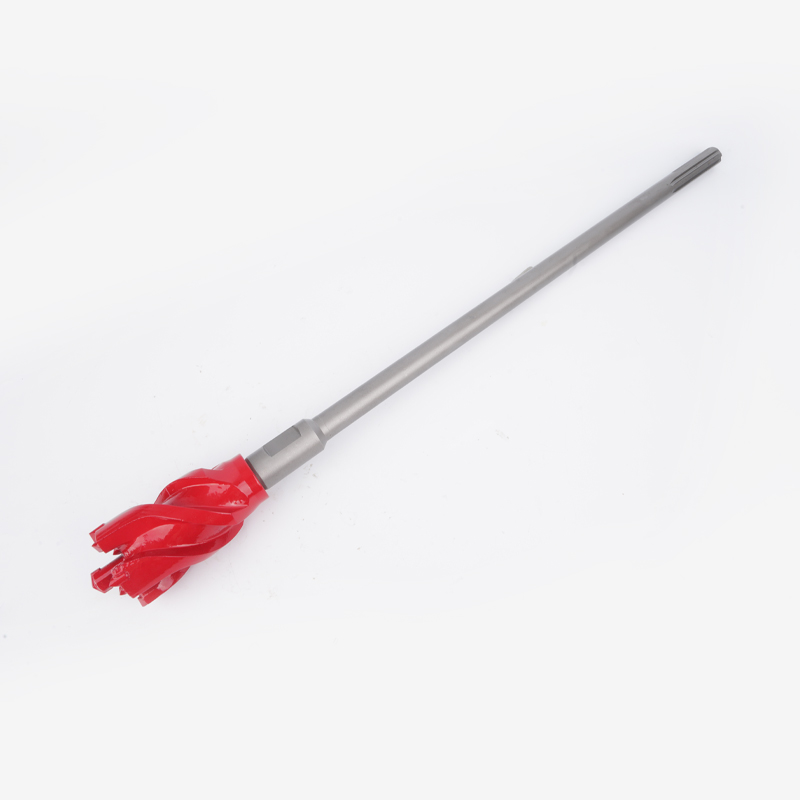
Wood Milling Cutter Factory solutions are receiving more attention from overseas woodworking companies as manufacturers look for ways to improve cutting accuracy, reduce processing issues, and achieve better surface finishes. In furniture production, cabinet making, and customized wood projects, even small cutting problems can affect assembly quality and appearance. Many buyers and engineers are now focusing on tool design, material compatibility, and stable performance when selecting a suitable wood milling cutter for their production needs.
Reducing Surface Defects During Wood Machining
One common challenge in woodworking is achieving a smooth cutting surface without additional finishing work. Problems such as rough edges, wood chipping, and uneven grooves often appear when the cutter does not match the material or machine settings.
Different wood types have different processing characteristics. Solid wood, plywood, MDF, and laminated boards require different cutting approaches. A suitable milling cutter design can help improve material removal efficiency while maintaining cleaner edges, allowing workshops to reduce manual polishing and improve production consistency.
Matching Cutter Design with Real Production Needs
Selecting a wood milling cutter is not only about choosing a standard size. Professional buyers usually evaluate several factors before placing orders, including cutting speed, machine compatibility, and product application.
Important points include:
A proper match between cutter design and production conditions helps companies avoid frequent tool adjustments and maintain smoother daily operations.
CNC Woodworking Creates New Tool Requirements
The development of CNC woodworking equipment has increased the demand for precision cutting tools. Automated production lines require cutters that can maintain stable performance during repeated machining processes.
For engineers, tool consistency directly influences workflow efficiency. A cutter with suitable specifications can support detailed woodworking applications, including furniture components, decorative panels, door frames, and custom designs. As production becomes more flexible, companies are paying closer attention to tools that can handle different project requirements without complicated changes.
Choosing Materials for Better Cutting Stability
The material used in a milling cutter plays an important role in processing results. Carbide-based cutting tools are commonly applied in woodworking because they provide suitable hardness and wear resistance for regular machining tasks.
When purchasing woodworking tools, companies often consider the balance between cutting performance, service requirements, and operating conditions. Understanding how cutter materials perform in different applications helps buyers make more practical decisions and select products that fit their long-term production plans.
Custom Options Support Diverse Woodworking Applications
Woodworking businesses often produce different types of products, which means their tool requirements can vary significantly. A furniture workshop may need cutters for detailed shaping, while an industrial producer may focus on stable performance for repeated panel processing.
Customization can help meet these different needs through adjustments such as:
This approach allows companies to choose tools that fit their current production environment instead of changing established workflows.
Improving Purchasing Decisions Through Technical Communication
For overseas buyers, finding a suitable woodworking tool supplier involves more than checking product prices. Clear communication about application details, machine types, and expected cutting results can reduce selection mistakes.
Professional suppliers usually provide technical suggestions based on actual production situations. This helps purchasing teams and engineers understand product features better and select tools that match their woodworking processes.
Supporting Efficient Woodworking with Reliable Cutting Solutions
As woodworking projects become more customized and production requirements become more precise, companies need tools that support stable and efficient machining. A Wood Milling Cutter Factory with strong technical understanding can provide suitable options for different woodworking applications. For buyers searching for a Wood Milling Cutter Factory or reliable wood milling cutter supplier, focusing on cutter structure, material selection, and application compatibility can help achieve smoother processing results and build a more efficient production system.
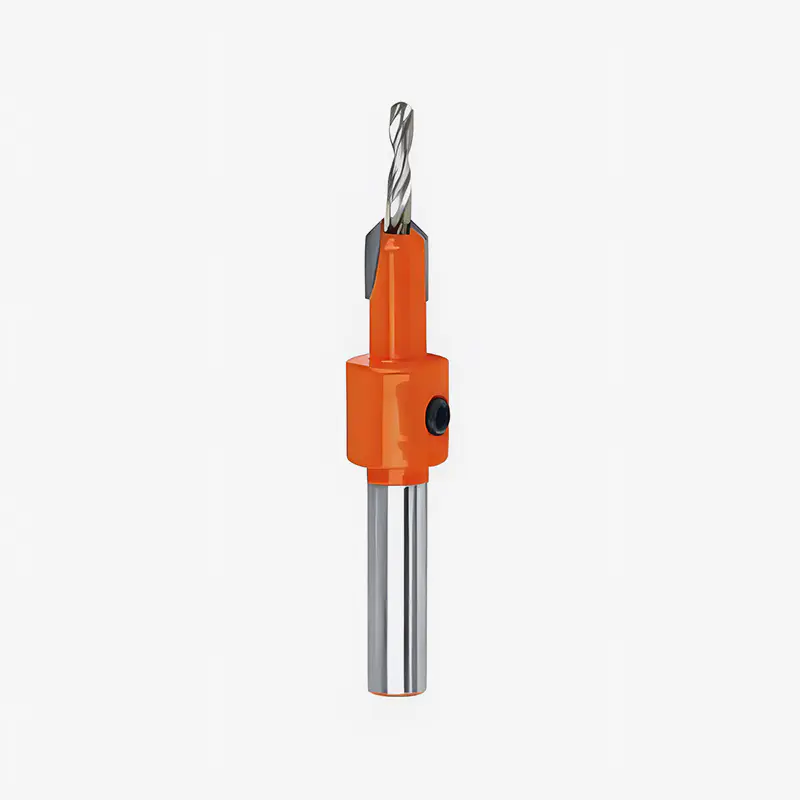
CUT CUTDIAMETER BIT DIAMETER SHANKDIAMETER HANDLELENGTH ...
See Details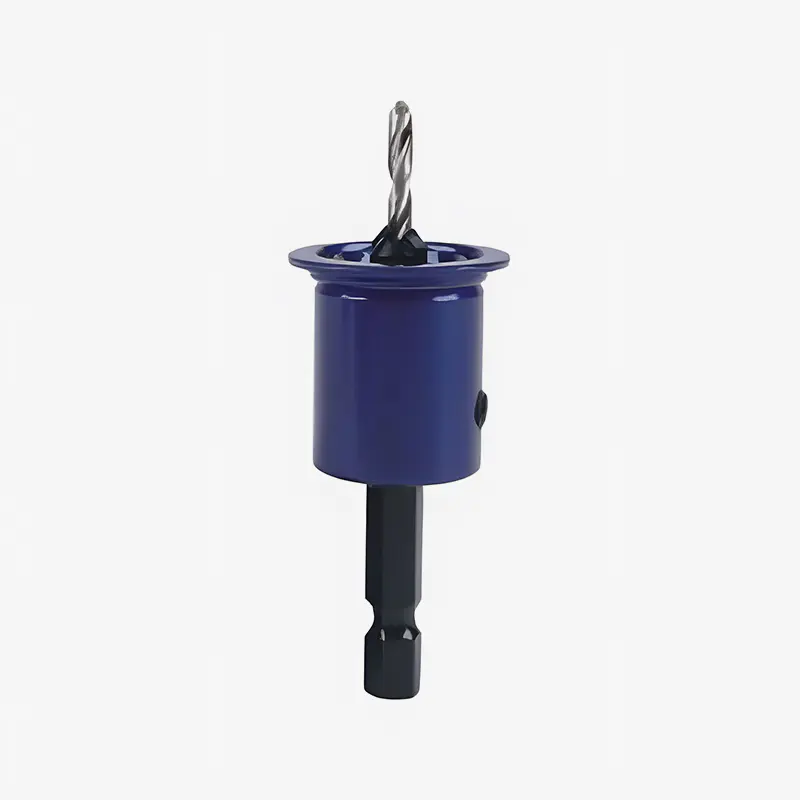
B002-2 CUT CUTDIAMETER BIT DIAMETER SHANKDIAMETER HAND...
See Details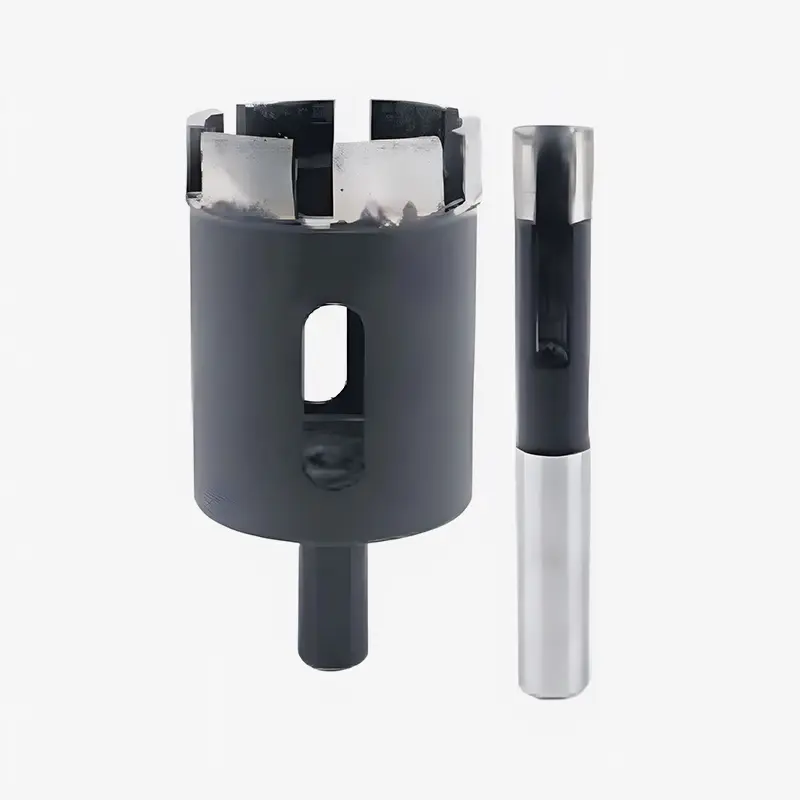
SPECIFICATION LENGTH HANDLE LONG MONEY BOX QTY 6 75 3...
See Details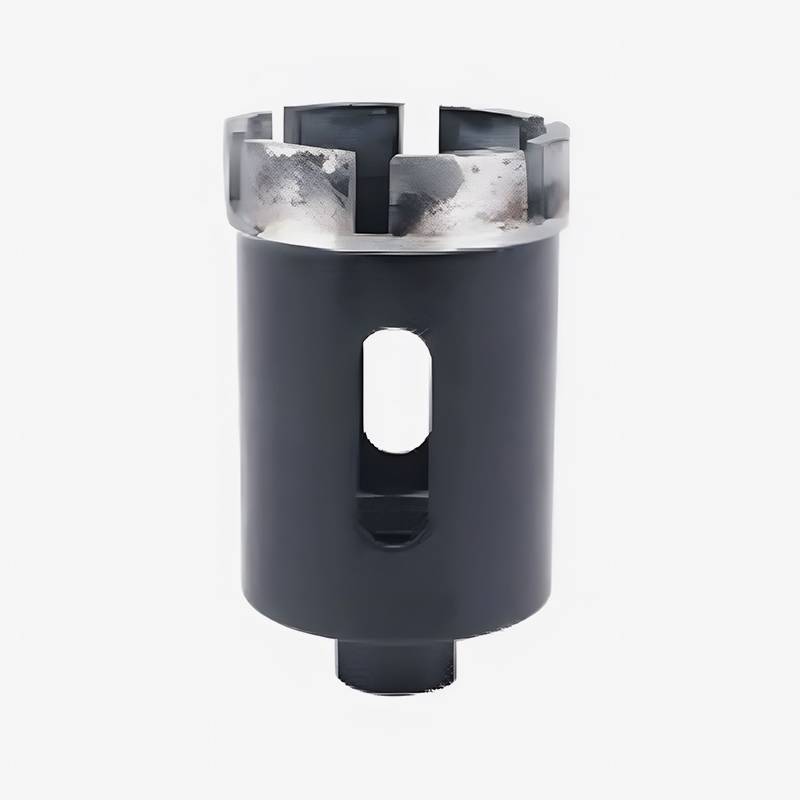
SPECIFICATION LENGTH HANDLE LONG MONEY BOX QTY 6 60 2...
See Details
SPECIFICATION LENGTH HANDLE LONG MONEY BOX QTY 3 70 3...
See DetailsNews and Blogs
Contact
Xiyan Village Industrial Zone, Qingjiang Town, Yueqing City, Zhejiang, China
+(86) 577-62265666 / +(86) 577-62265988
+(86) 13706603579 / +(86) 13757787688
Products
Mobile Terminal