 English
 中文简体
中文简体
 русский
 Español

SPECIFICATION MONEY SPECIFICATION MONEY SPECIFICATION MON...
See DetailsGet A Quote
Choosing Alloy Drill Bits for Consistent Performance Across Different Materials
2026-10-09
Selecting a suitable drill bit can make a noticeable difference in machining quality, tool life, and daily production efficiency. For workshops handling steel components, aluminum parts, and general metal fabrication, the right bit helps reduce rough holes, premature wear, and unnecessary tool changes. As an Alloy Drill Bit Manufacturer, we focus on practical drilling challenges and help customers match tool materials, cutting geometry, and operating conditions to their actual applications.
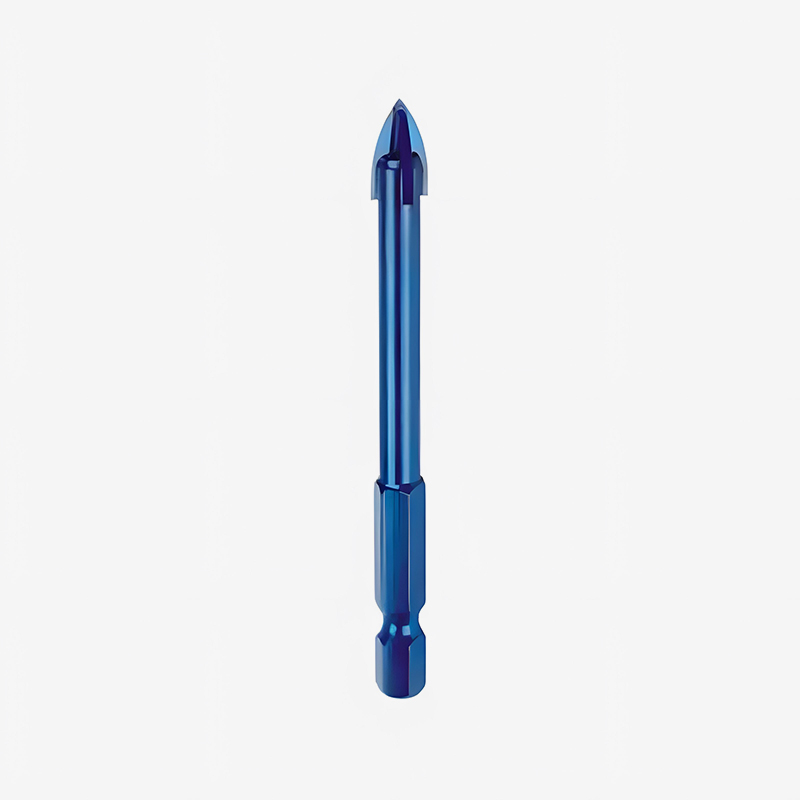
Not every metal places the same demands on a cutting tool. Softer materials may cause built-up edges, while harder workpieces can generate heat and accelerate cutting-edge wear. Choosing an alloy drill bit requires considering both the material being drilled and the expected working conditions.
For routine metalworking, buyers should check material hardness, required hole quality, and drilling frequency before selecting a tool. A suitable alloy composition and heat treatment can support wear resistance and cutting stability, but the result also depends on machine condition and operating parameters.
Heat is a common reason drill bits lose their cutting performance. Excessive temperature can affect the cutting edge, particularly when drilling harder metals or producing multiple holes without sufficient cooling. Operators may notice discoloration, rough hole walls, or a growing need for additional pressure.
To manage heat, consider these practical measures:
These adjustments can help maintain consistent drilling conditions without relying on frequent tool replacement.
Drill point geometry, flute design, and edge preparation influence how a bit enters the material and removes chips. Poor chip evacuation may lead to clogging, excessive friction, or uneven holes, especially in deeper drilling applications.
When evaluating alloy drill bits for metal fabrication, buyers should consider hole depth, diameter requirements, machine rigidity, and the type of chips produced. A geometry suited to the application can support smoother cutting and more predictable results. Manufacturers should also clarify the available specifications so customers can avoid choosing tools based on appearance alone.
Even a well-made drill bit can wear prematurely when used under unsuitable conditions. Misalignment, excessive feed pressure, unstable workholding, and incorrect speed settings can all affect performance. These issues are particularly relevant to workshops producing repeated components, where small variations may accumulate across a batch.
We recommend inspecting the cutting edges, checking the machine setup, and storing tools in a dry, organized environment. Worn bits should be assessed before reuse rather than pushed through another production run. Consistent handling helps operators distinguish normal wear from problems caused by the machining process.
For distributors and industrial buyers, purchasing decisions should account for application suitability, batch consistency, and supply reliability rather than unit price alone. A low initial cost may offer limited value if tools require frequent replacement or produce inconsistent hole quality.
When comparing suppliers, review the available material specifications, dimensional tolerances, surface finish, packaging, and inspection procedures. Ask whether the supplier can maintain consistent requirements across repeat orders. Clear technical communication before production helps reduce misunderstandings and makes incoming quality checks easier.
Different customers may need different drill bit sizes, packaging arrangements, or application guidance. As an Alloy Drill Bit Manufacturer, we encourage buyers to provide details about the workpiece material, drilling equipment, operating conditions, and intended use. This information helps us evaluate suitable product options and clarify technical requirements before an order is confirmed.
A well-matched alloy drill bit supports stable machining, cleaner holes, and more manageable tool consumption. By focusing on real production conditions and clear specifications, we help customers select drilling tools that fit their applications and build a more dependable supply process.
B002-2 CUT CUTDIAMETER BIT DIAMETER SHANKDIAMETER HAND...
See Details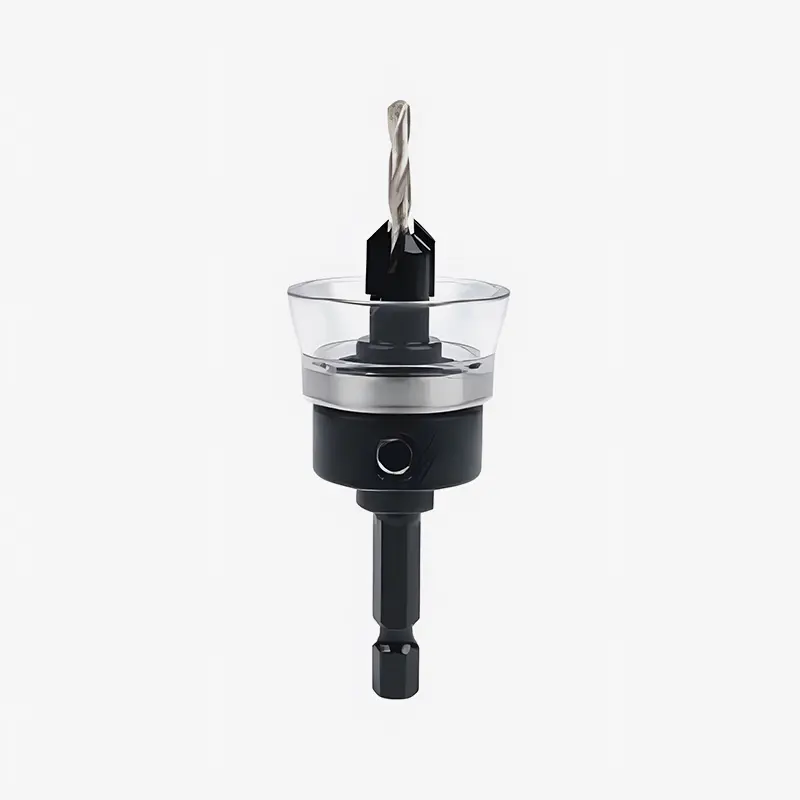
CUT CUTDIAMETER BIT DIAMETER SHANKDIAMETER HANDLELENGTH ...
See Details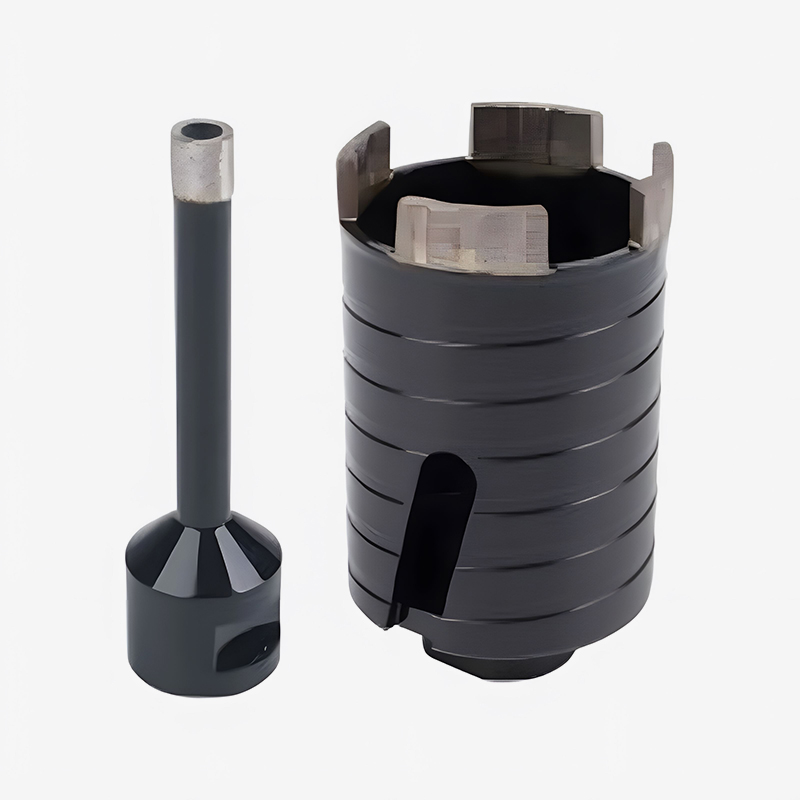
SPECIFICATION LENGTH HANDLE LONG MONEY BOX QTY 6-25 93 ...
See Details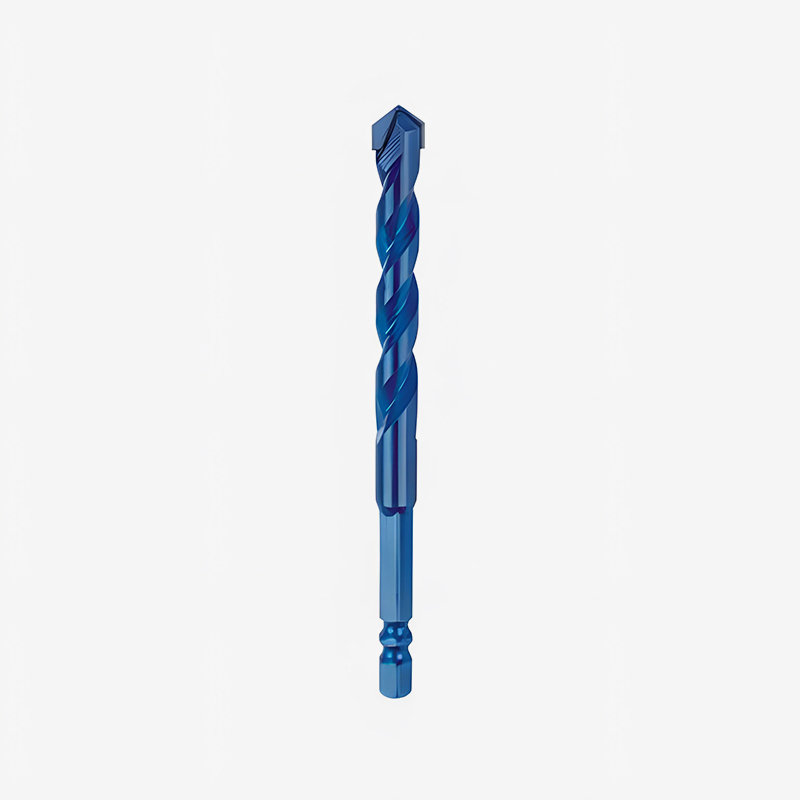
SPECIFICATION LENGTH HANDLE LONG MONEY BOX QTY 3 90 4...
See Details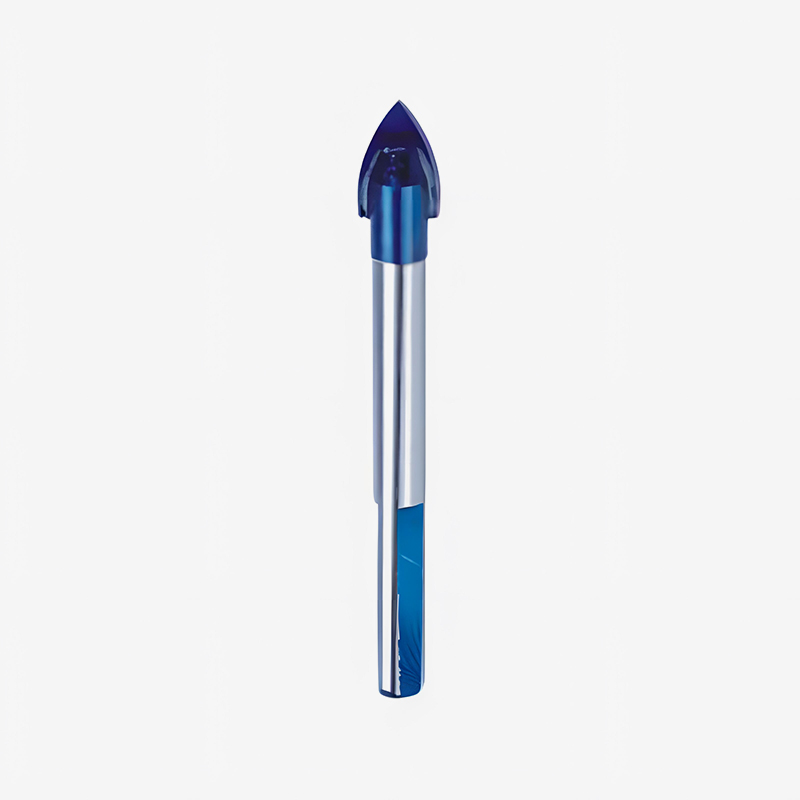
SPECIFICATION LENGTH MONEY BOX QTY 6 71 1.32 70 140...
See Details
NUMBEROF TEETH CUTTINGTHICKNESS DIAMETER INNERDIAMETER MO...
See DetailsNews and Blogs
Contact
Xiyan Village Industrial Zone, Qingjiang Town, Yueqing City, Zhejiang, China
+(86) 577-62265666 / +(86) 577-62265988
+(86) 13706603579 / +(86) 13757787688
Products
Mobile Terminal