 English
 中文简体
中文简体
 русский
 Español

CUT CUTDIAMETER BIT DIAMETER SHANKDIAMETER HANDLELENGTH ...
See DetailsGet A Quote
Preventing Drill Bit Breakage in Everyday Metalworking Operations
2026-10-16
Unexpected drill bit breakage can interrupt production, damage workpieces, and increase tool replacement costs. For workshops processing steel, aluminum, and other metal components, the problem often comes from a combination of tool selection, machine settings, and chip removal. As an Alloy Drill Bit Manufacturer, we focus on helping customers identify these practical issues and select drilling tools that suit their daily production requirements.
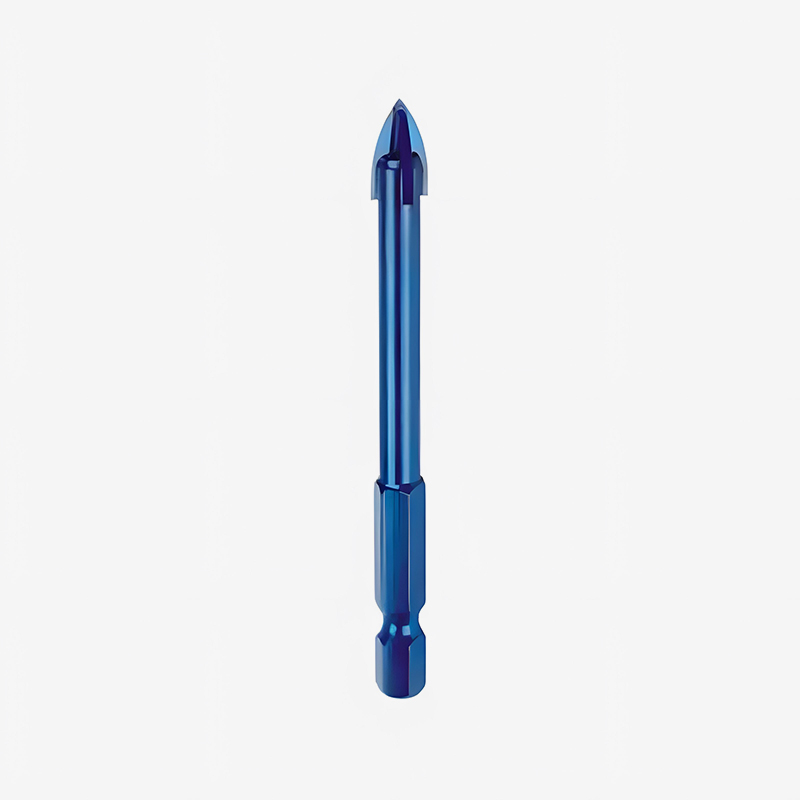
A broken drill bit does not always indicate poor product quality. Excessive feed pressure, incorrect cutting speed, poor alignment, and unstable workholding can all place unnecessary stress on the cutting edges. When drilling deeper holes, trapped chips may also increase friction and make the tool harder to control.
Before replacing a failed bit, operators should inspect the fracture, check the machine setup, and review the drilling conditions. Understanding the cause helps prevent the same problem from affecting the next production batch.
Different workpiece materials require different cutting characteristics. A drill bit suitable for general metalworking may not perform the same way when used on harder alloys or under continuous production conditions.
When choosing alloy drill bits, buyers should consider:
Matching these factors helps establish realistic performance expectations and reduces the risk of premature tool failure.
Chip evacuation is particularly important when drilling deep or narrow holes. Long chips can wrap around the bit, obstruct the flutes, and interfere with cutting. Continuing to drill under these conditions may cause overheating or sudden tool failure.
Operators should use suitable feed settings and clear chips according to the application. For deeper holes, an appropriate peck drilling strategy may help remove accumulated chips. Cutting fluid can also support cooling and lubrication when compatible with the workpiece and machining process.
A drill bit with a worn or damaged cutting edge often requires greater force to penetrate the material. This can affect hole quality and place additional pressure on the tool. Regular inspection helps identify wear before it causes larger production problems.
Look for chipped edges, uneven wear, discoloration, and visible damage around the drill point. Check that the bit is securely held and properly aligned before restarting work. Replacing a damaged tool at the right time can help protect both the workpiece and the machine.
Industrial buyers need more than a suitable sample. They also need confidence that repeat orders will meet the agreed specifications. Differences in dimensions, cutting geometry, or material treatment can affect machining results across production batches.
When evaluating an Alloy Drill Bit Manufacturer, ask about material specifications, dimensional inspection, production consistency, and available product options. Clear communication about the intended application helps both sides confirm requirements before an order enters production.
Reducing drill bit breakage requires a combination of suitable tooling and disciplined operating practices. Correct tool selection, stable workholding, appropriate cutting parameters, and regular inspection all contribute to more predictable results.
As an Alloy Drill Bit Manufacturer, we encourage customers to share their workpiece materials, hole requirements, and operating conditions when selecting products. With clear specifications and application-focused guidance, buyers can choose alloy drill bits that suit their production needs while managing tool wear and machining interruptions.
CUT CUTDIAMETER BIT DIAMETER SHANKDIAMETER HANDLELENGTH ...
See Details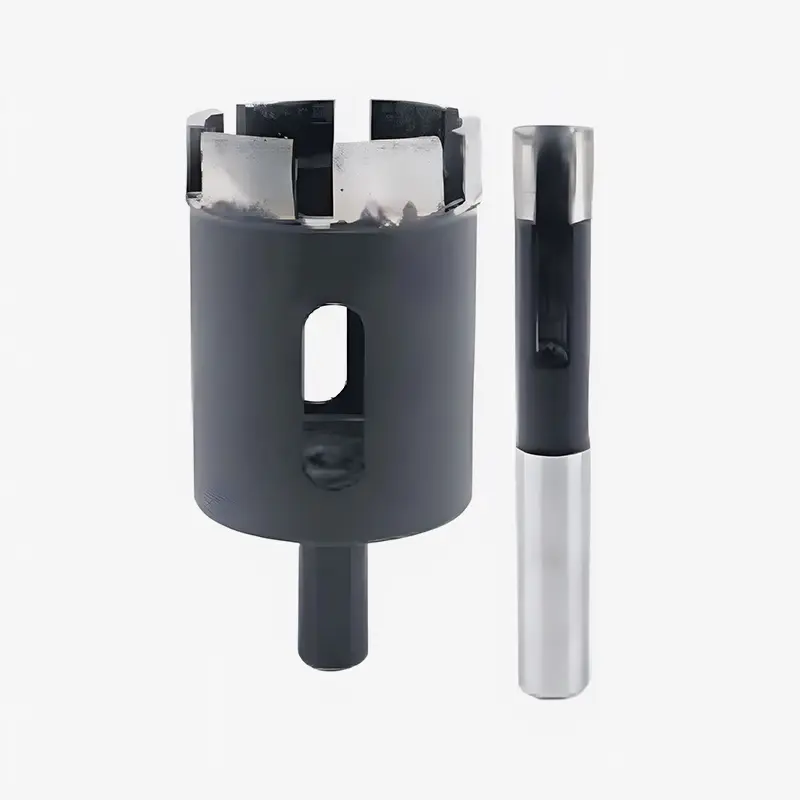
SPECIFICATION LENGTH HANDLE LONG MONEY BOX QTY 6 75 3...
See Details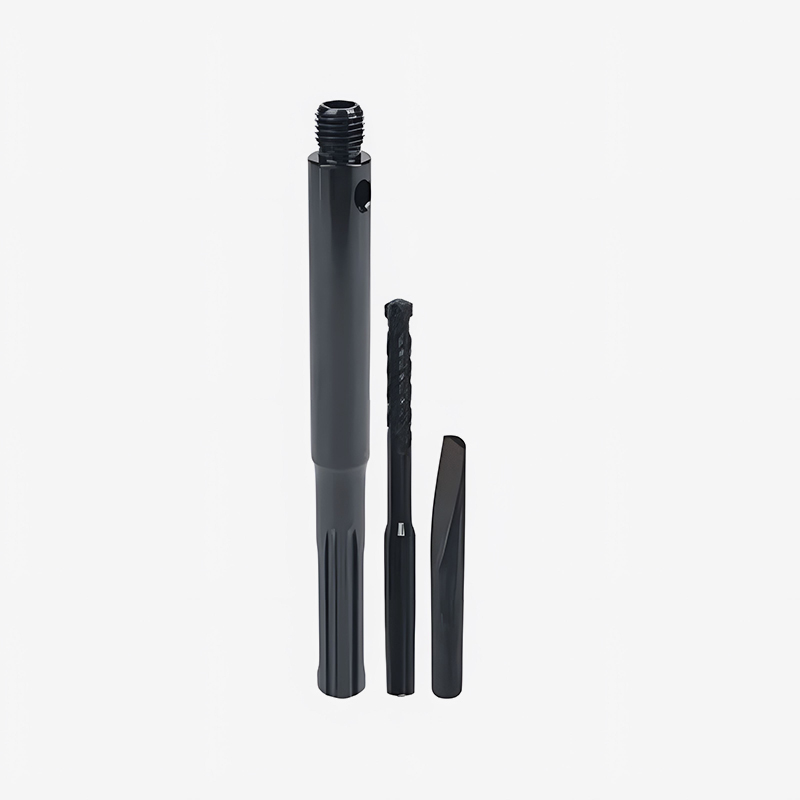
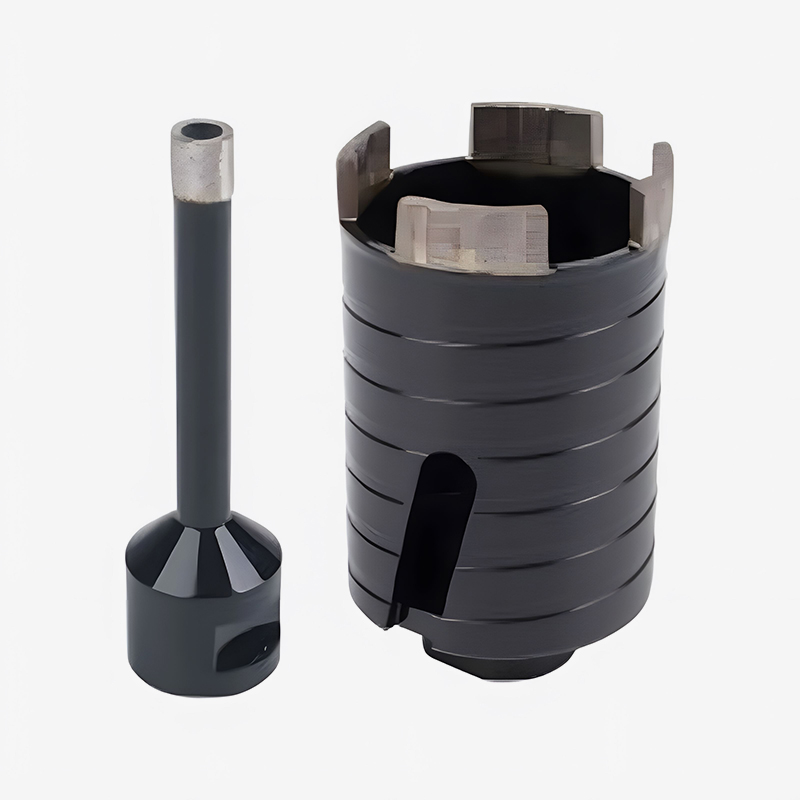
SPECIFICATION LENGTH HANDLE LONG MONEY BOX QTY 6-25 93 ...
See Details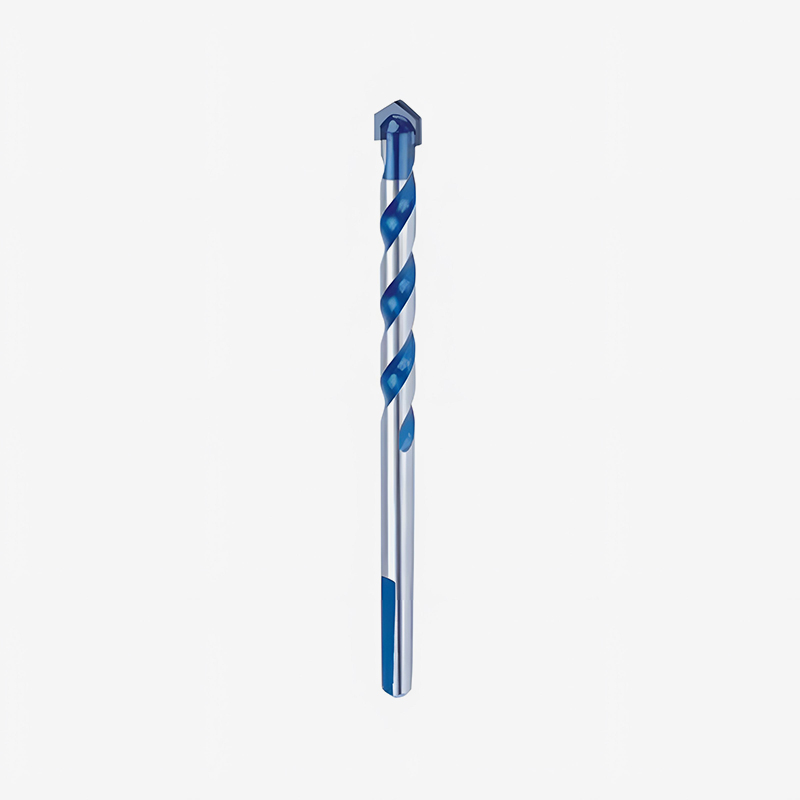
SPECIFICATION LENGTH MONEY BOX QTY 3 78 1.25 100 16...
See Details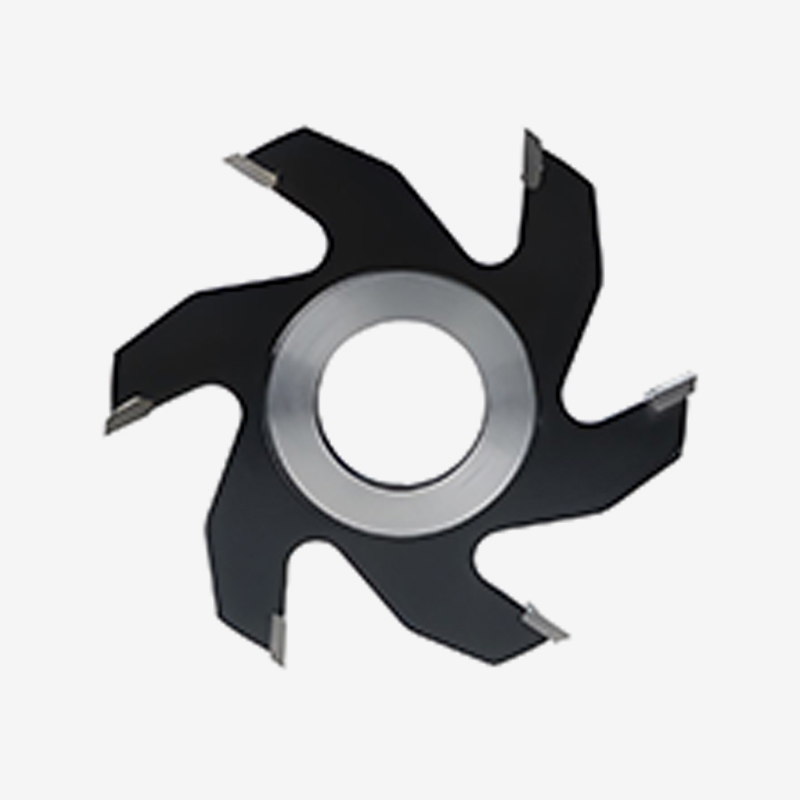
NUMBEROF TEETH CUTTINGTHICKNESS DIAMETER INNERDIAMETER MO...
See DetailsNews and Blogs
Contact
Xiyan Village Industrial Zone, Qingjiang Town, Yueqing City, Zhejiang, China
+(86) 577-62265666 / +(86) 577-62265988
+(86) 13706603579 / +(86) 13757787688
Products
Mobile Terminal