 English
 中文简体
 русский
 Español

SPECIFICATION LENGTH HANDLE LONG MONEY BOX QTY SDS110 1...
See DetailsGet A Quote
Improving Hole Accuracy When Drilling Different Metal Materials
2026-10-23
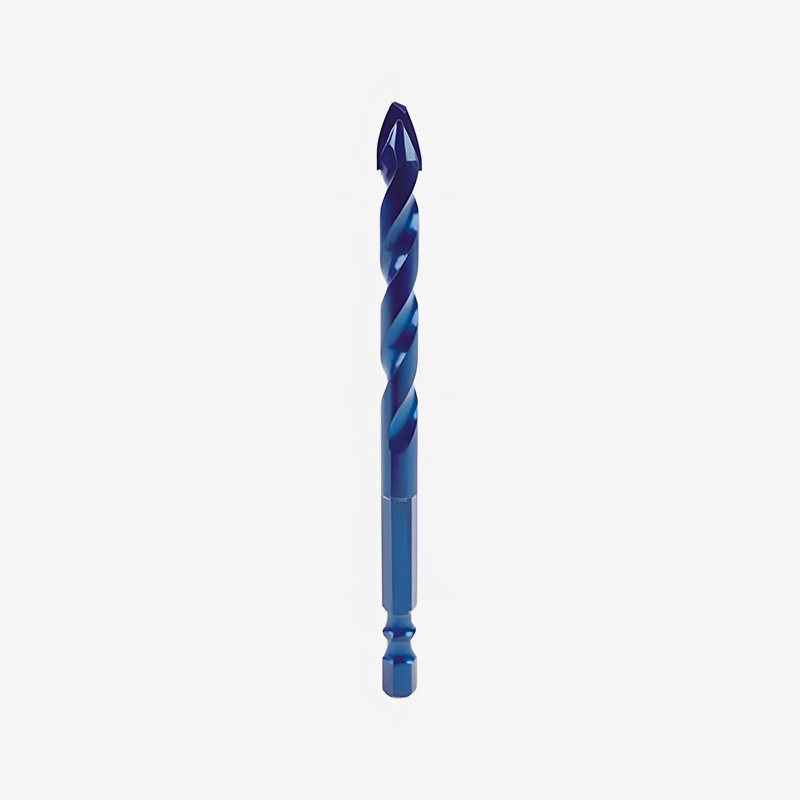
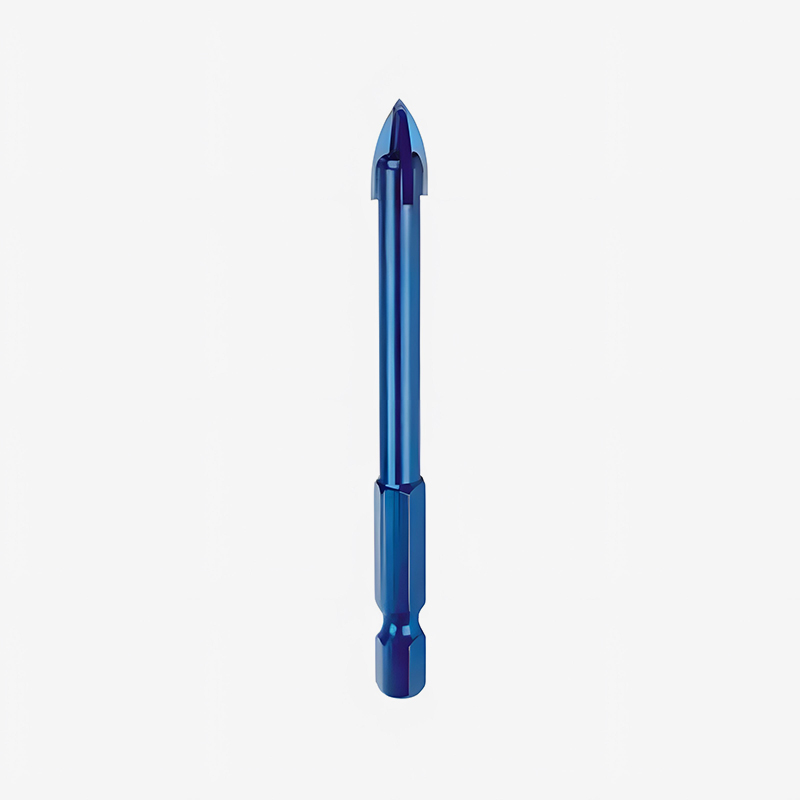
Uneven holes, rough edges, and inconsistent diameters can create extra work during metal fabrication. These problems may affect component assembly, increase rework, and slow down production. Choosing the right drill bit is an important part of controlling these issues. As an Alloy Drill Bit Manufacturer, we focus on practical factors that help customers achieve consistent drilling results across different metalworking applications.
Before selecting a drill bit, buyers should identify the dimensional requirements of the finished hole. General-purpose drilling and precision component manufacturing may require different levels of accuracy. Material hardness, machine condition, and tool runout can all influence the final result.
For applications with tighter tolerances, operators should check the spindle, tool holder, and workpiece positioning before drilling. A suitable alloy drill bit can support accurate cutting, but the complete machining setup must also remain stable.
Steel, aluminum, and harder metal alloys behave differently during drilling. Aluminum may produce sticky chips, while harder materials can place greater demands on the cutting edge. Using the same tool settings for every material may lead to poor surface quality or unnecessary wear.
When choosing alloy drill bits, consider the workpiece material, hole depth, cutting speed, and chip formation. Matching the tool to the application helps maintain more consistent results and reduces avoidable adjustments on the production floor.
Tool runout can cause a drill bit to rotate unevenly, producing holes that are larger or less uniform than expected. It may also concentrate cutting forces on one side of the tool, accelerating wear.
To reduce this risk, operators should inspect the tool holder, clean the contact surfaces, and confirm that the drill bit is clamped securely. Checking alignment before a production run is especially useful when manufacturing components that require consistent hole positioning.
Chips that remain inside a hole can scratch the surface, increase friction, and interfere with cutting. These problems become more noticeable during deeper drilling or repeated machining operations.
A suitable flute design helps move chips away from the cutting area. Operators should also select appropriate feed settings and use cutting fluid when the application allows it. If rough edges remain, inspect the cutting edge and machining parameters rather than assuming that the drill bit alone is responsible.
Testing a new drill bit under actual working conditions helps buyers identify potential problems before full production begins. A practical evaluation can include:
Recording these observations provides a useful reference when comparing tools or confirming repeat-order requirements.
For industrial buyers, consistent specifications and reliable communication are important when sourcing drilling tools. When evaluating an Alloy Drill Bit Manufacturer, ask about available sizes, material options, dimensional inspection, and batch consistency. Sharing the workpiece material and required hole tolerance also helps clarify which products may suit the application.
Accurate drilling depends on more than the cutting tool itself. By combining appropriate alloy drill bits with stable machine settings and routine quality checks, manufacturers can reduce rework and maintain more predictable production results.
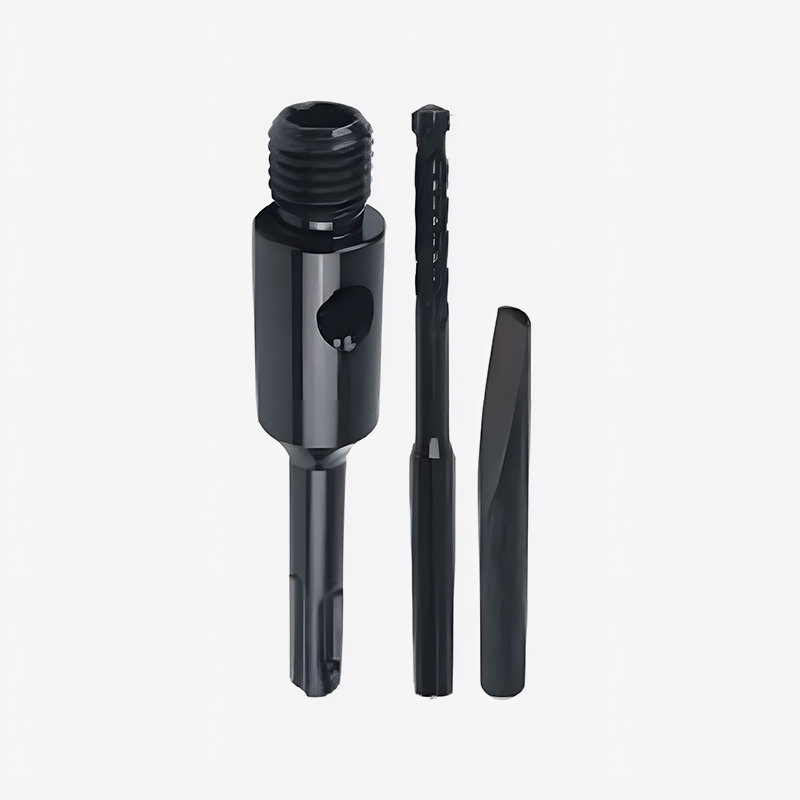
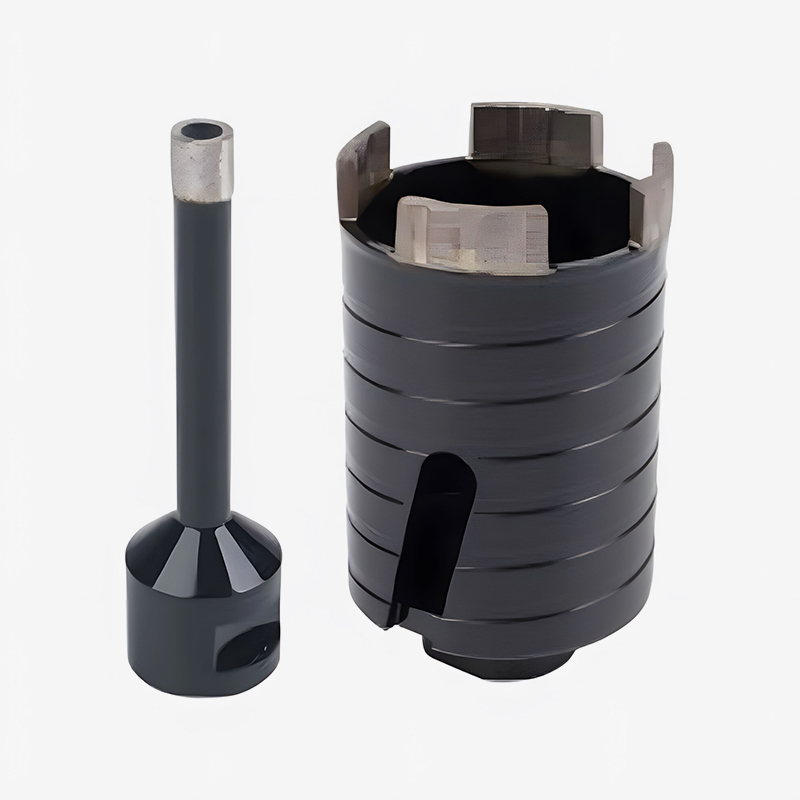
SPECIFICATION LENGTH HANDLE LONG MONEY BOX QTY 6-25 93 ...
See Details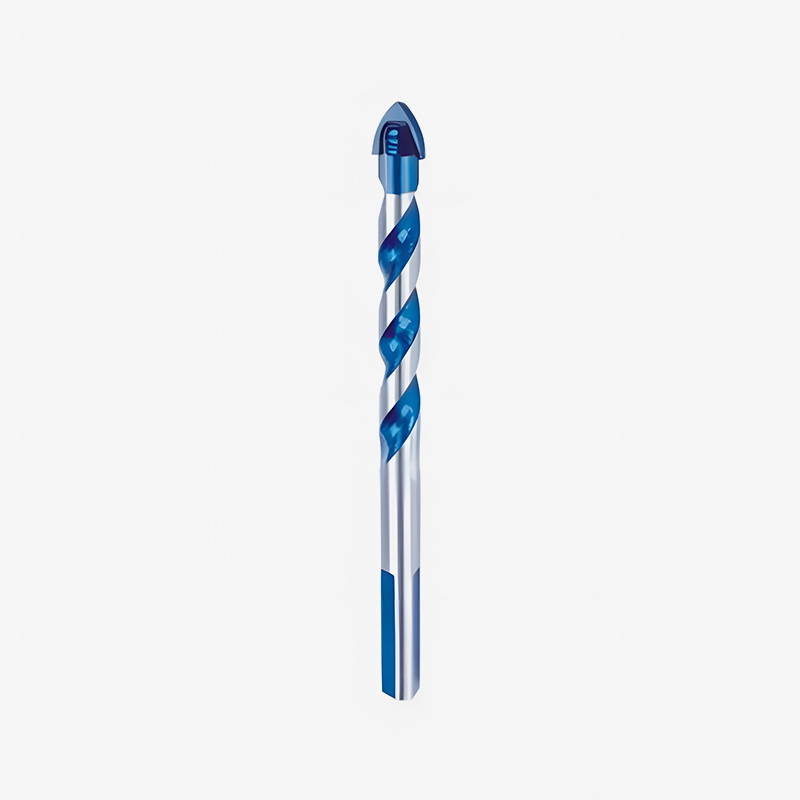
SPECIFICATION LENGTH MONEY BOX QTY 3 80 1.15 100 1...
See Details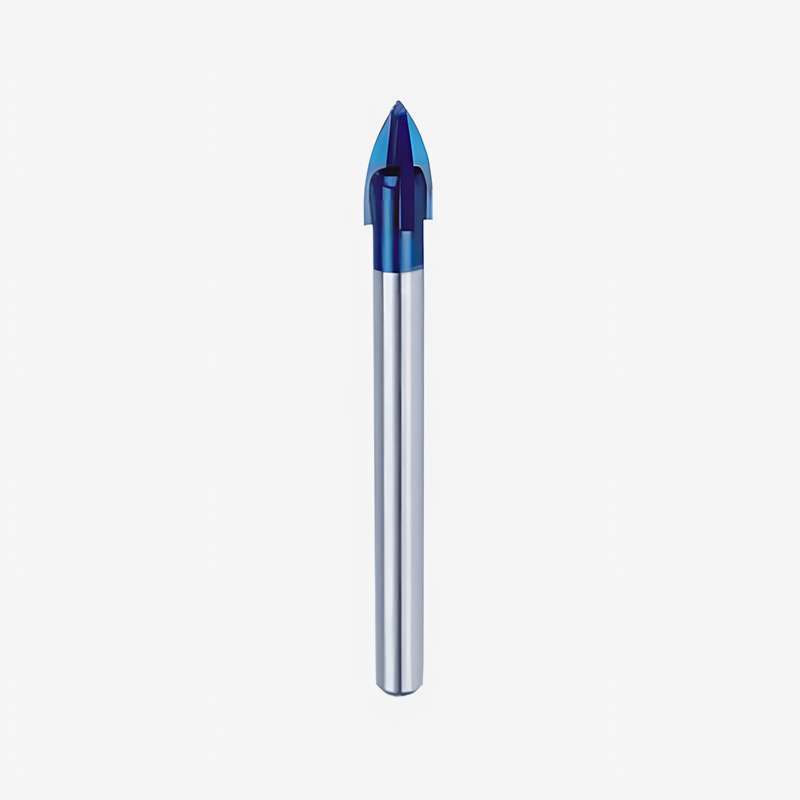
SPECIFICATION LENGTH MONEY BOX QTY 3 62 1.90 70 140...
See Details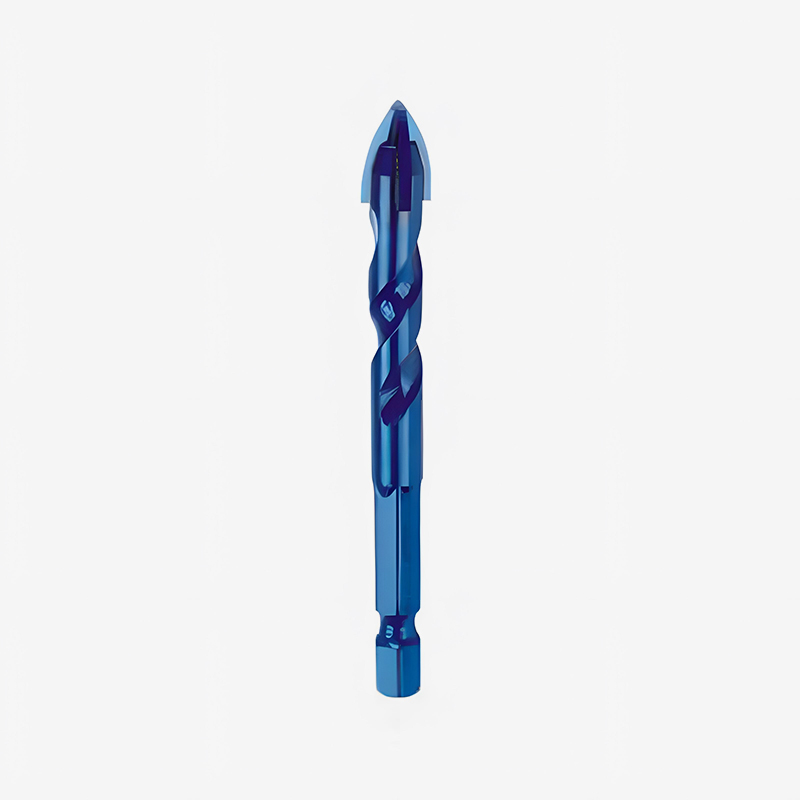
SPECIFICATION LENGTH HANDLE LONG MONEY BOX QTY 3 70 3...
See Details
SPECIFICATION LENGTH MONEY BOX QTY 3 60 1.10 70 140...
See Details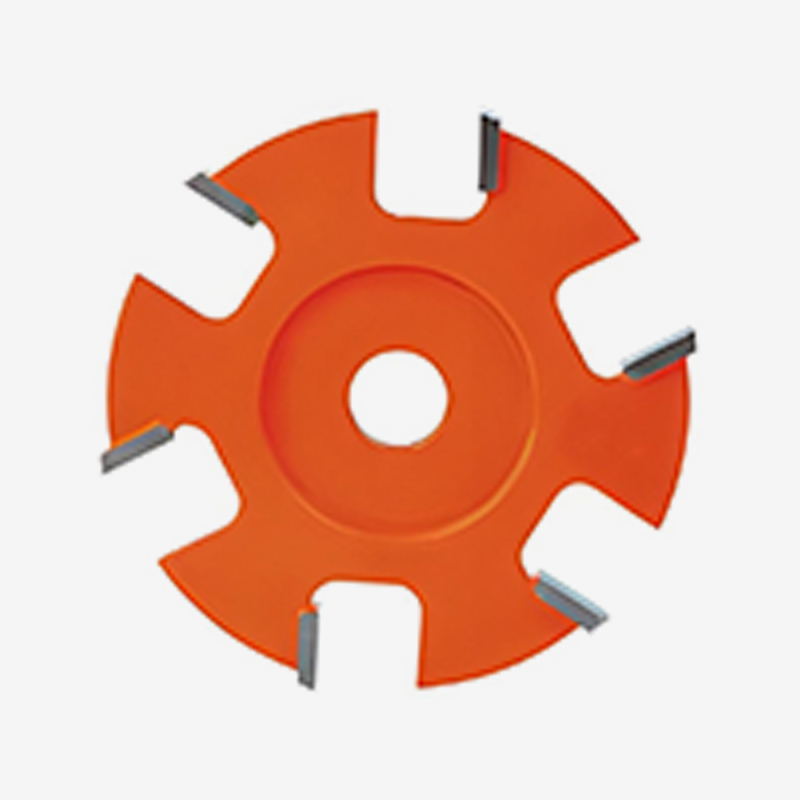
NUMBEROF TEETH CUTTINGTHICKNESS DIAMETER INNERDIAMETER MO...
See DetailsNews and Blogs
Contact
Xiyan Village Industrial Zone, Qingjiang Town, Yueqing City, Zhejiang, China
+(86) 577-62265666 / +(86) 577-62265988
+(86) 13706603579 / +(86) 13757787688
Products
Mobile Terminal