 English
 中文简体
 русский
 Español

SPECIFICATION LENGTH HANDLE LONG MONEY BOX QTY M14 85 ...
See DetailsGet A Quote
Managing Drill Bit Wear in Continuous Metalworking Production
2026-10-26
Frequent drill bit replacement can disrupt production schedules and make machining costs harder to control. For workshops processing metal components in repeated batches, recognizing early signs of wear helps prevent poor hole quality and unexpected downtime. As an Alloy Drill Bit Manufacturer, we understand that buyers need drilling tools that match their materials, machines, and daily workloads rather than relying on a one-size-fits-all solution.
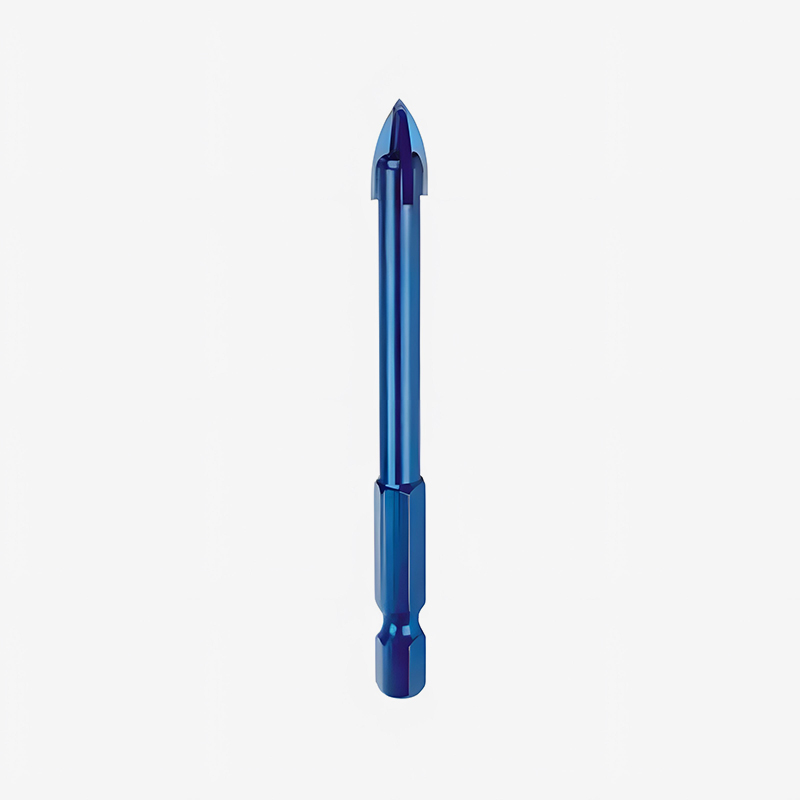
Drill bit wear often develops gradually. Operators may notice that drilling takes longer, cutting requires more pressure, or holes begin to show rough edges. Excessive heat and changes in chip formation can also indicate that the cutting edge is losing its effectiveness.
Inspecting tools between production runs helps identify these changes before they affect a large batch. If wear appears unusually quickly, review the machining conditions as well as the tool itself.
Different metals place different demands on drilling tools. Softer materials may create built-up material along the cutting edge, while harder workpieces can accelerate abrasion and heat-related wear. Selecting a drill bit without considering these differences may lead to inconsistent performance.
Before ordering alloy drill bits, confirm the workpiece material, required hole dimensions, drilling depth, and expected workload. These details help narrow the available options and establish more realistic expectations for tool life.
Even a suitable drill bit can wear prematurely when operating conditions are poorly controlled. Excessive speed may generate unnecessary heat, while unsuitable feed pressure can damage the cutting edge or affect hole quality.
Production teams should follow application-appropriate cutting parameters and adjust them when changing materials. Stable workholding and correct tool alignment also help distribute cutting forces more evenly. When problems occur repeatedly, reviewing these factors can be more useful than simply switching to another bit.
Poor chip removal can increase friction and heat inside the hole. Long or accumulated chips may obstruct the flutes, scratch the machined surface, or place additional stress on the tool. This is particularly relevant when drilling deeper holes or working with materials that produce difficult chips.
Choose a flute design suited to the application and clear chips when necessary. Appropriate cutting fluid may also help with cooling and lubrication. These practices support more stable drilling conditions and can reduce avoidable tool damage.
For industrial buyers and distributors, purchasing decisions should consider product consistency, application suitability, and replacement frequency. A drill bit with a lower initial price may not provide the expected value if it produces inconsistent results or requires frequent changes.
When assessing an Alloy Drill Bit Manufacturer, review material specifications, dimensional tolerances, inspection procedures, and repeat-order consistency. Providing clear technical requirements before production helps establish a reliable basis for evaluating samples and future orders.
A simple inspection process can help workshops manage tool consumption more effectively. Record when drill bits enter service, inspect cutting edges regularly, and note any changes in hole quality or machining behavior. Comparing these observations across similar jobs helps identify recurring problems.
As an Alloy Drill Bit Manufacturer, we encourage customers to share their workpiece materials and operating conditions when selecting drilling tools. With suitable product specifications, controlled machining practices, and routine inspections, businesses can manage drill bit wear more effectively and maintain consistent production quality.
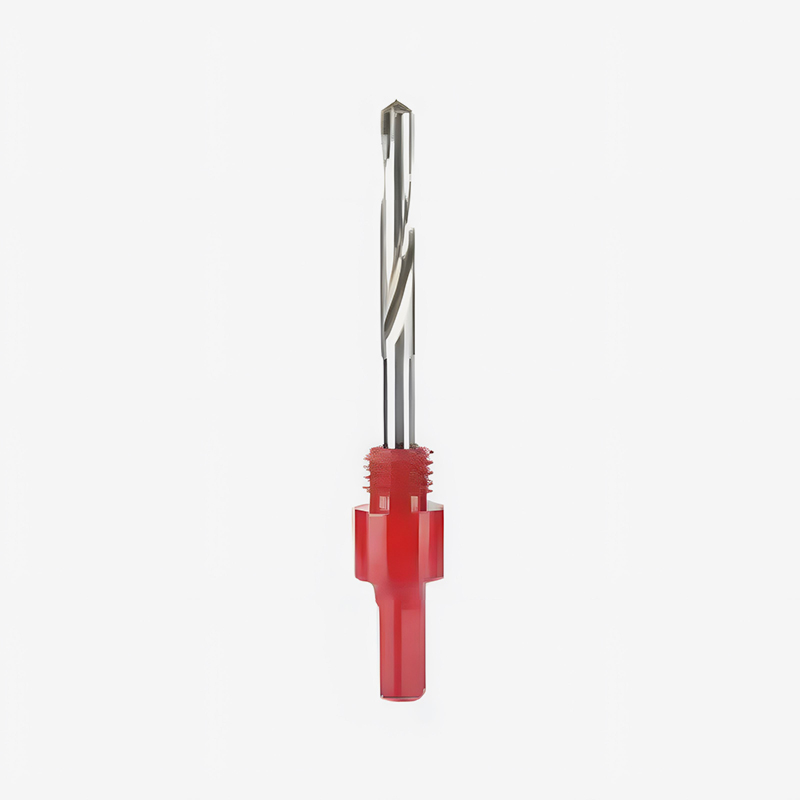
SPECIFICATION LENGTH HANDLE LONG MONEY BOX QTY M14 85 ...
See Details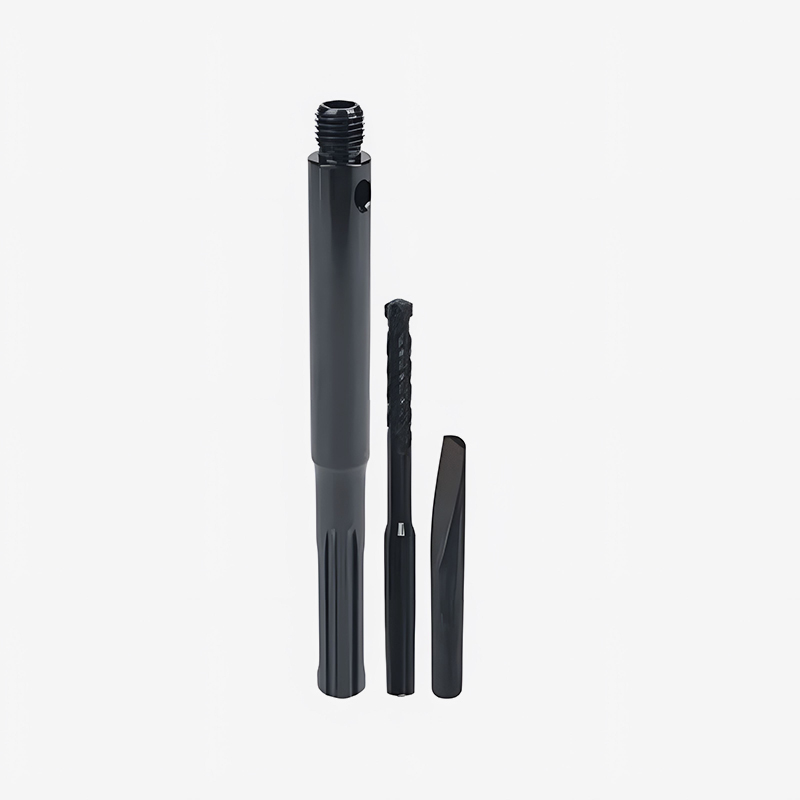
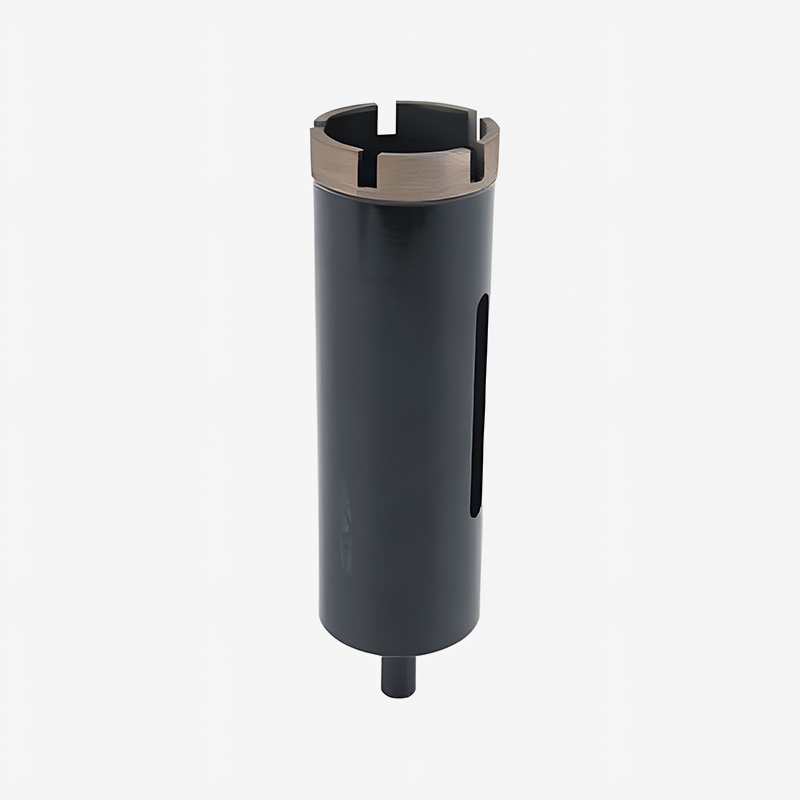
SPECIFICATION LENGTH HANDLE LONG MONEY BOX QTY 6-25 125...
See Details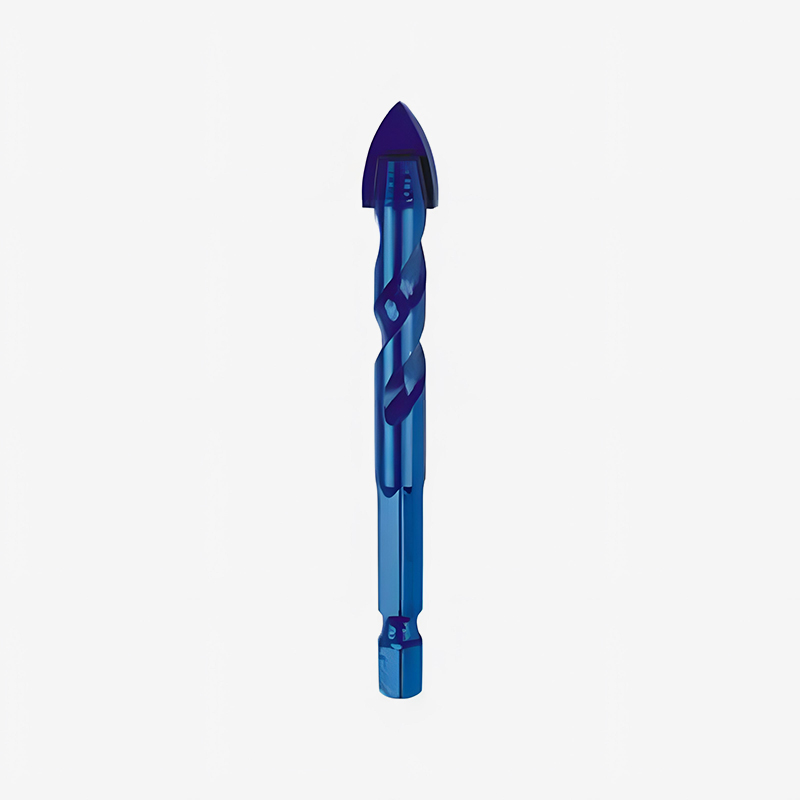
SPECIFICATION LENGTH HANDLE LONG MONEY BOX QTY 3 69 3...
See Details
NUMBEROF TEETH CUTTINGTHICKNESS DIAMETER INNERDIAMETER MO...
See DetailsNews and Blogs
Contact
Xiyan Village Industrial Zone, Qingjiang Town, Yueqing City, Zhejiang, China
+(86) 577-62265666 / +(86) 577-62265988
+(86) 13706603579 / +(86) 13757787688
Products
Mobile Terminal