 English
 中文简体
 русский
 Español

SPECIFICATION MONEY SPECIFICATION MONEY SPECIFICATION MON...
See DetailsGet A Quote
Reducing Tool Replacement Costs Through Better Router Bit Selection
2026-11-23
For woodworking factories and furniture manufacturers, frequent router bit replacement can interrupt production and increase operating costs. The problem is not always related to tool quality. Incorrect cutting profiles, unsuitable carbide grades, poor operating conditions, and improper storage can all contribute to premature wear. As a Router Bit Manufacturer, we understand that buyers need to consider the complete machining process when sourcing cutting tools, especially when purchasing for continuous production or wholesale distribution.
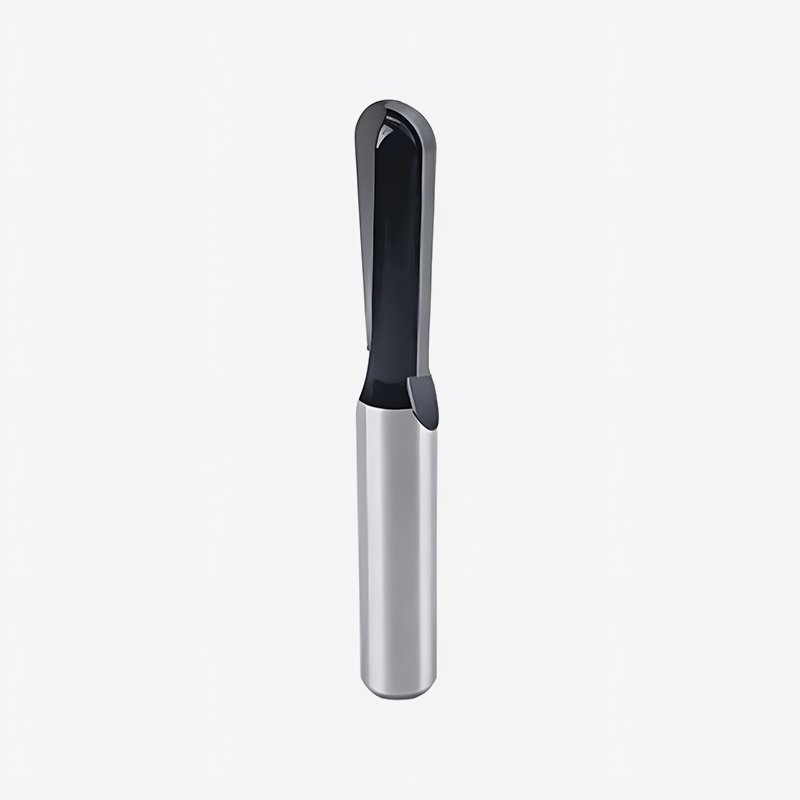
A small woodworking workshop and a furniture factory may use similar router bits, but their operating requirements can be quite different. High-volume production places greater demands on tool consistency and wear resistance, while smaller workshops may need more flexibility across different cutting tasks.
When evaluating router bits, buyers should consider:
These details help purchasing teams avoid selecting tools based only on unit price.
Carbide router bits are widely used in professional woodworking because their cutting edges can withstand repeated machining operations. However, carbide quality is only one part of tool performance.
Cutting edge preparation, brazing strength, flute design, and dimensional accuracy also influence how a router bit performs during use.
For manufacturers and distributors, these details matter when supplying customers who expect consistent cutting results across repeated orders. Product specifications should therefore be evaluated as a complete set rather than focusing on a single material description.
Different woodworking operations require different router bit designs. Using an unsuitable profile may increase machining time or create additional finishing work.
Common applications include:
A well-organized product range allows distributors to serve furniture factories, cabinet workshops, and CNC machining businesses with different requirements.
Router bit wear can accelerate when machine settings do not match the cutting tool. Excessive cutting depth, unsuitable feed rates, poor chip evacuation, and incorrect spindle settings may increase heat and cutting resistance.
Operators should check these factors when a tool wears faster than expected. Cleaning the cutting area and maintaining an effective dust extraction system can also help reduce material buildup.
From a purchasing perspective, understanding the actual machining conditions makes it easier to select a suitable tool design.
Carbide cutting edges can be damaged through careless handling, even when the tool has not completed its expected working cycle.
Woodworking businesses should keep router bits in suitable storage cases, prevent tools from knocking against each other, and remove dust or resin after use. Before installation, operators should inspect the shank and cutting edges for visible damage.
These simple practices help maintain tool condition between production runs.
Overseas distributors often serve customers with different machine configurations and woodworking applications. Standard sizes may cover common operations, but some projects require specific cutting diameters, shank dimensions, flute arrangements, or cutting profiles.
As a manufacturer, we assess customization requests according to technical drawings, application details, and available production capabilities. Clear communication at the quotation stage helps both sides confirm product specifications before bulk manufacturing.
Reducing unnecessary tool replacement starts with understanding why router bits wear out and selecting products that match actual machining conditions. Buyers should evaluate material compatibility, carbide construction, cutting geometry, machine requirements, and storage practices together.
Working with an experienced Router Bit Manufacturer gives woodworking factories, wholesalers, and tool distributors a direct way to discuss technical specifications and establish a more consistent supply for their customers.
SPECIFICATION MONEY SPECIFICATION MONEY SPECIFICATION MON...
See Details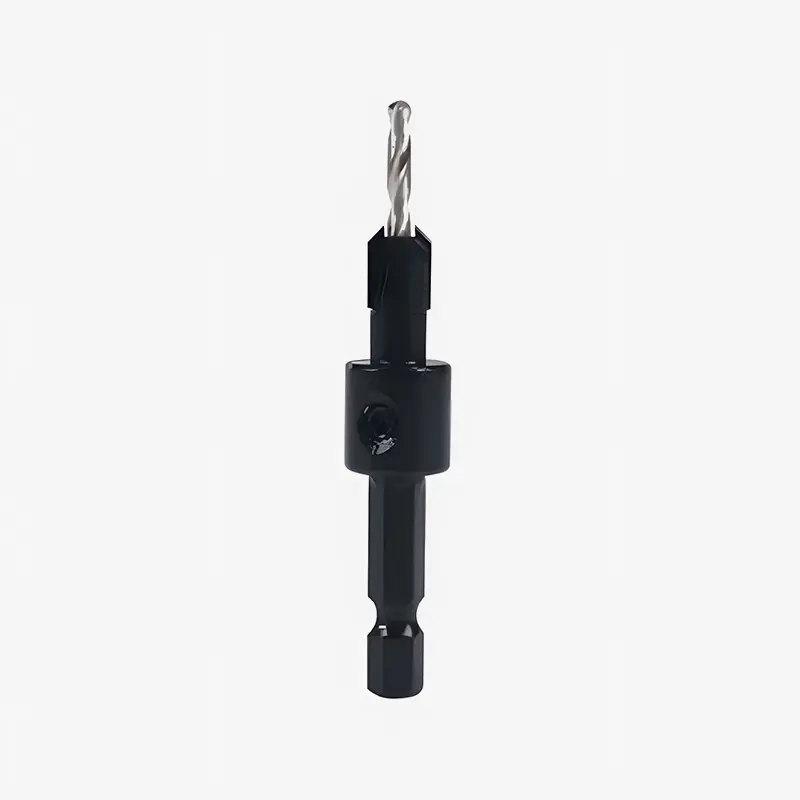
B002-1 CUT CUT DIAMETER BIT DIAMETER SHANK DIAMETER HA...
See Details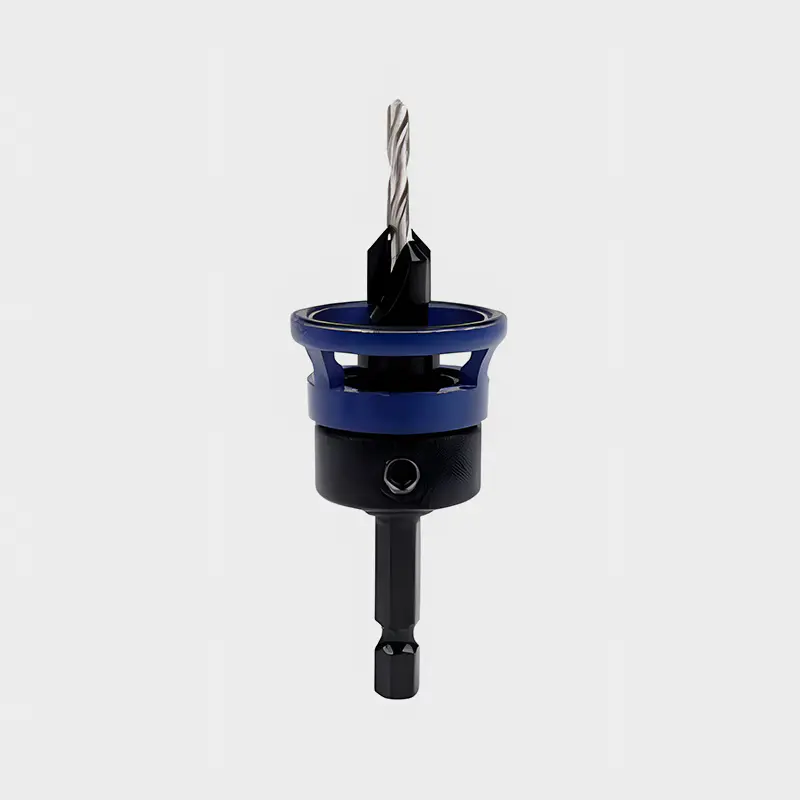
CUT CUTDIAMETER BIT DIAMETER SHANKDIAMETER HANDLELENGTH ...
See Details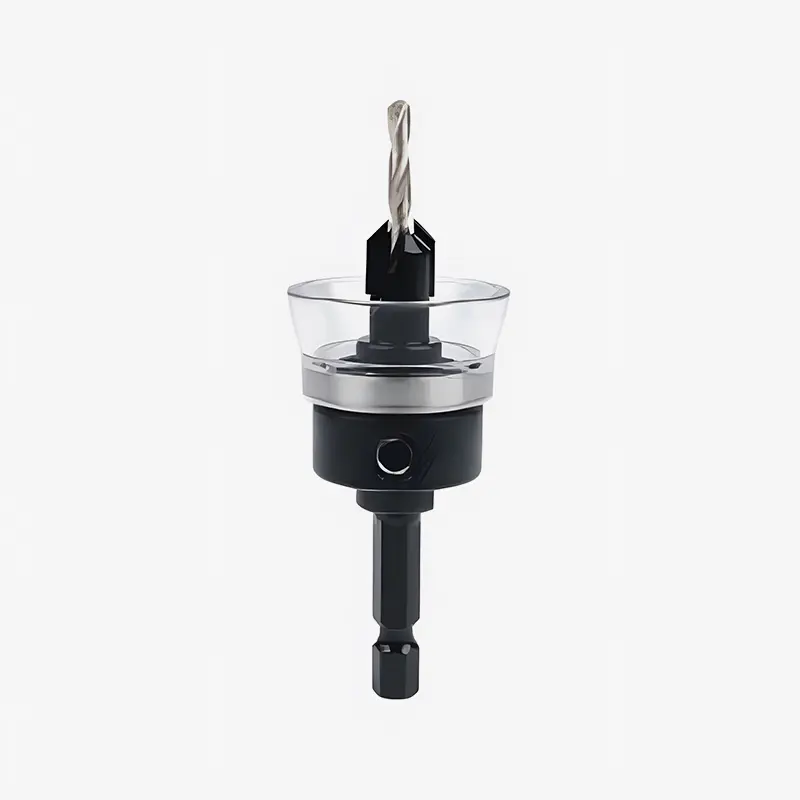
CUT CUTDIAMETER BIT DIAMETER SHANKDIAMETER HANDLELENGTH ...
See Details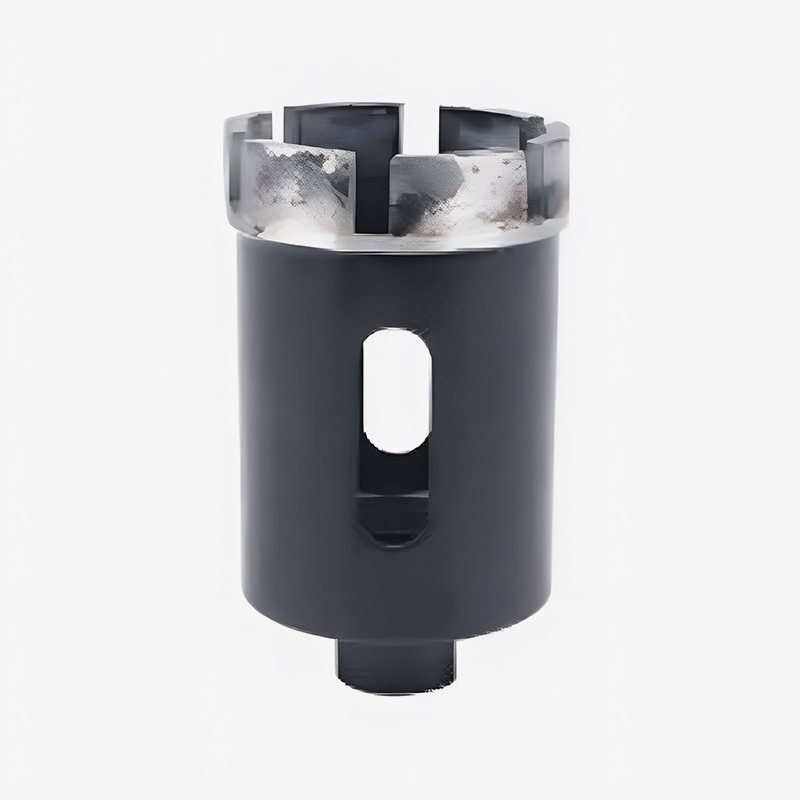
SPECIFICATION LENGTH HANDLE LONG MONEY BOX QTY 6 60 2...
See Details
News and Blogs
Contact
Xiyan Village Industrial Zone, Qingjiang Town, Yueqing City, Zhejiang, China
+(86) 577-62265666 / +(86) 577-62265988
+(86) 13706603579 / +(86) 13757787688
Products
Mobile Terminal