
 English
 中文简体
 русский
 Español

SPECIFICATION MONEY SPECIFICATION MONEY SPECIFICATION MON...
See DetailsGet A Quote
Router Bit Maintenance and Selection for Consistent CNC Woodworking
2026-11-20
In CNC woodworking, tool condition has a direct impact on cutting accuracy, surface finish, and production continuity. Furniture factories and cabinet manufacturers may notice rough edges, inconsistent grooves, or increased cutting resistance after extended machining. These problems are not always caused by machine settings. Incorrect tool selection and poor maintenance can also affect results. As a Router Bit Manufacturer, we pay close attention to cutting geometry, carbide quality, and tool compatibility to help buyers select products that suit their daily production requirements.
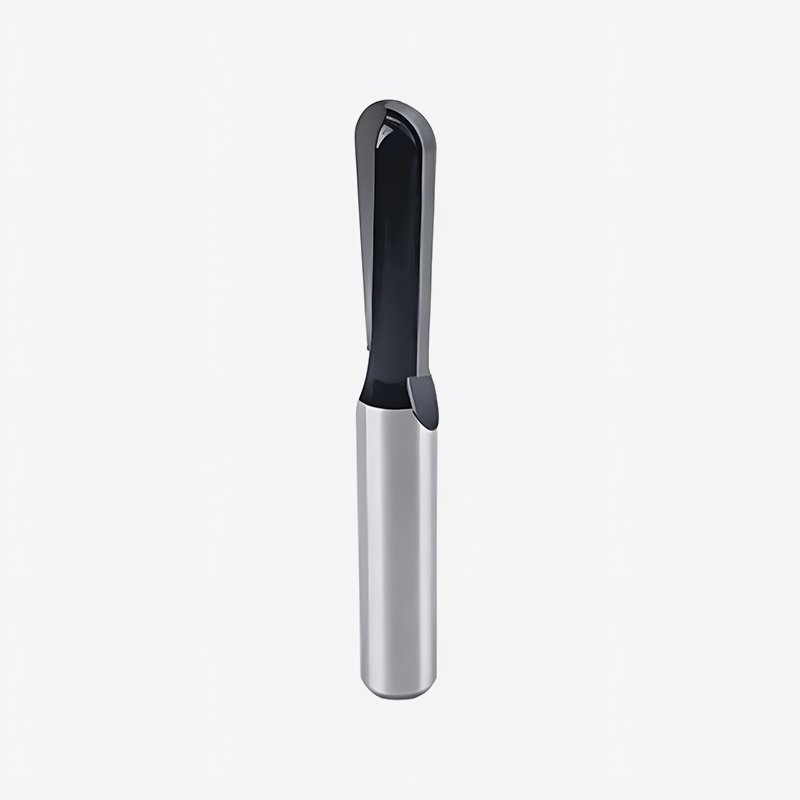
A router bit does not always become unusable immediately when its cutting edge starts to deteriorate. In many workshops, early signs appear in the finished workpiece.
Operators should watch for:
Identifying these signs early helps workshops inspect tool condition before defects affect larger production batches.
Different materials require different cutting approaches. Solid wood, MDF, plywood, and laminated panels have different structures and cutting characteristics.
For example, MDF processing places considerable demands on cutting edge wear resistance, while laminated panels require attention to surface chipping. Buyers should communicate their main workpiece materials when sourcing router bits rather than choosing tools based only on appearance.
This information also helps manufacturers recommend suitable cutting profiles and carbide options.
Flute design influences how chips leave the cutting area. Poor chip evacuation can cause material buildup, increased friction, and inconsistent cutting results.
Upcut spiral bits move chips upward and away from the cutting area. Downcut spiral bits push chips downward, helping maintain the upper surface on suitable applications. Compression bits combine these cutting directions and are commonly used for laminated sheet materials.
Choosing between these designs requires consideration of the workpiece, machining depth, and required surface finish.
Regular inspection can help extend practical tool service life and reduce unexpected production interruptions.
Woodworking operators should develop a simple maintenance routine:
Proper storage is particularly important for workshops managing multiple router bit profiles.
Even a suitable cutting profile may cause problems if its dimensions do not match the machine. Shank diameter, cutting diameter, overall length, and effective cutting length should all be confirmed before ordering.
For distributors supplying different woodworking businesses, maintaining accurate product specifications can reduce incorrect orders and simplify inventory management.
It is also useful to confirm the machine type and collet requirements when requesting product recommendations.
For overseas distributors and woodworking equipment suppliers, repeat-order consistency is an important purchasing consideration. Differences in cutting dimensions, carbide edges, or overall construction can affect how tools perform across production batches.
As a manufacturer, we focus on dimensional inspection, cutting edge quality, and production checks. Buyers can also provide technical drawings or existing tool samples when discussing customized requirements.
A suitable purchasing plan should consider the main workpiece materials, machining operations, machine compatibility, and expected order quantities. Instead of stocking random profiles, distributors can organize router bits around common applications such as panel cutting, edge trimming, grooving, and decorative machining.
Working with an experienced Router Bit Manufacturer helps buyers evaluate these requirements before placing bulk orders, making it easier to maintain a product range that meets the practical needs of woodworking factories and CNC machining businesses.
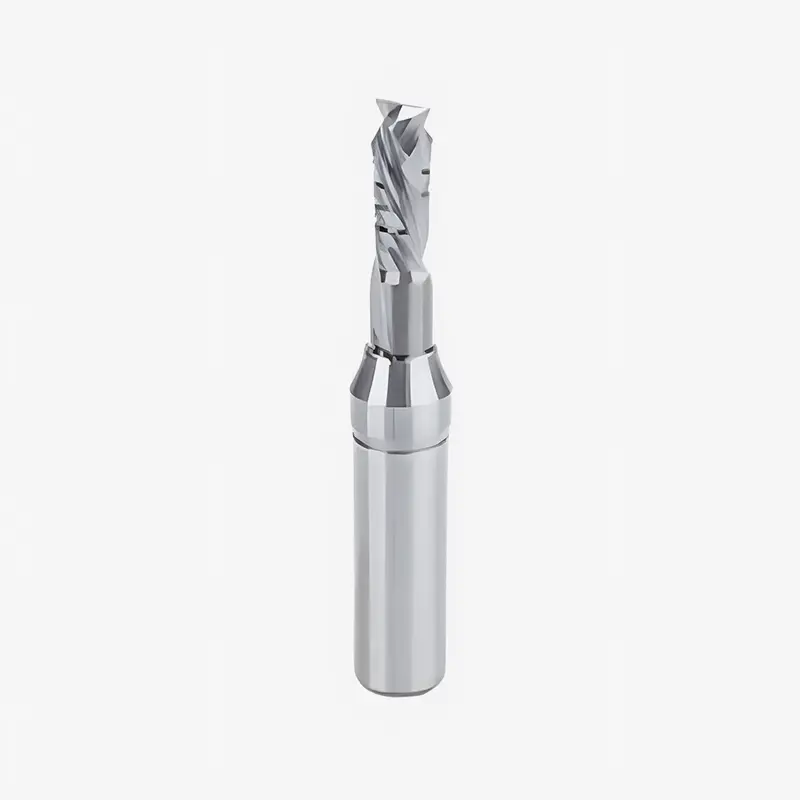
SPECIFICATION MONEY SPECIFICATION MONEY SPECIFICATION MON...
See Details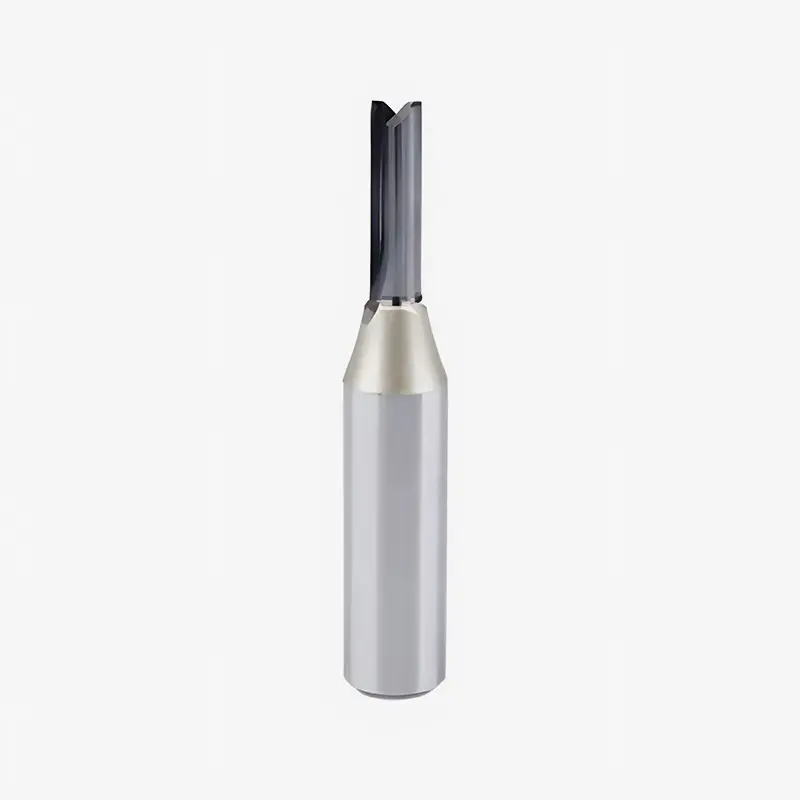
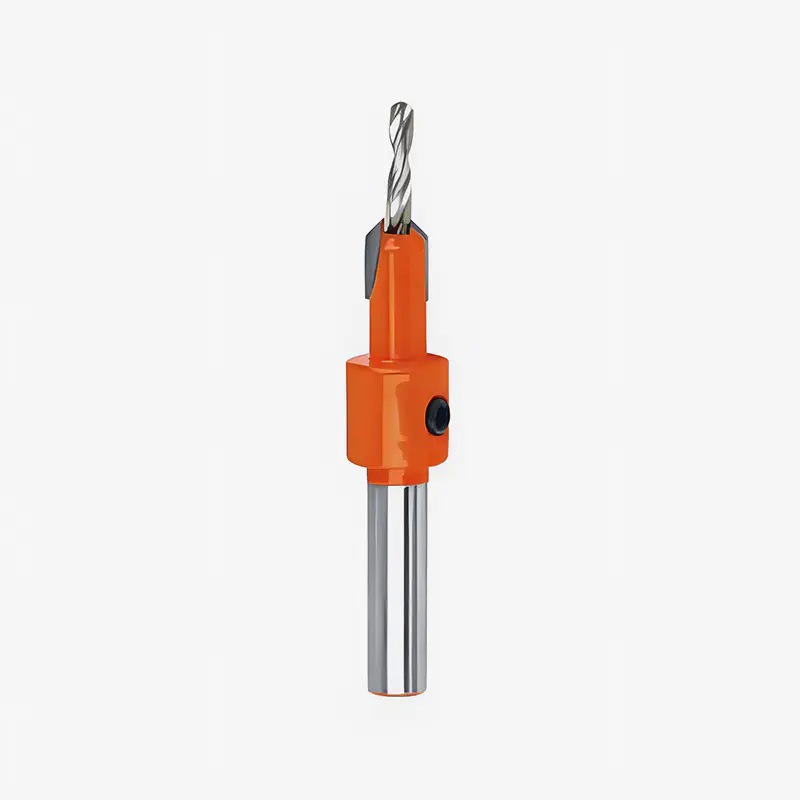
CUT CUTDIAMETER BIT DIAMETER SHANKDIAMETER HANDLELENGTH ...
See Details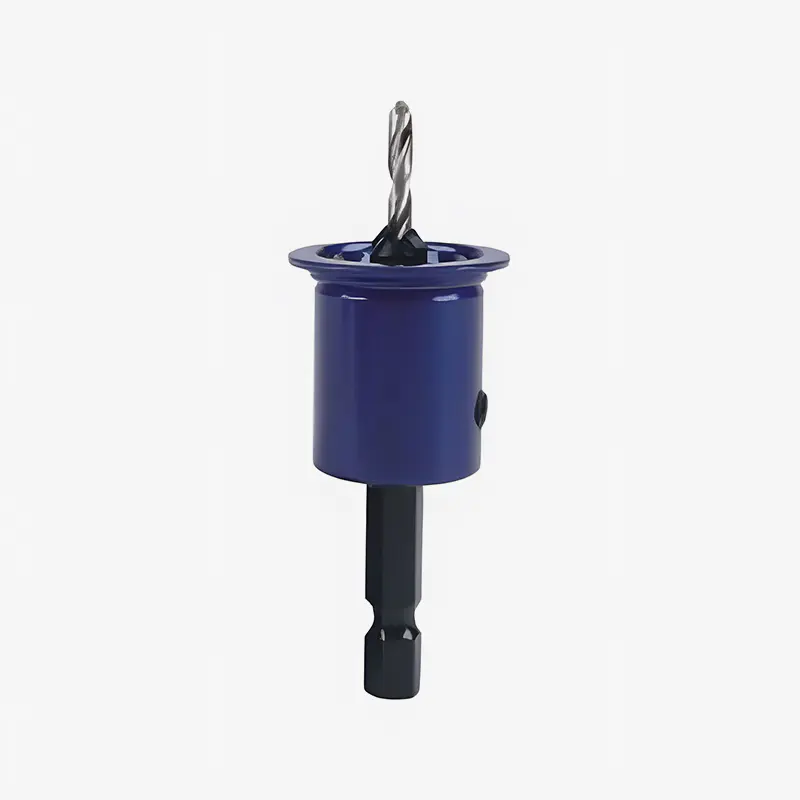
B002-2 CUT CUTDIAMETER BIT DIAMETER SHANKDIAMETER HAND...
See Details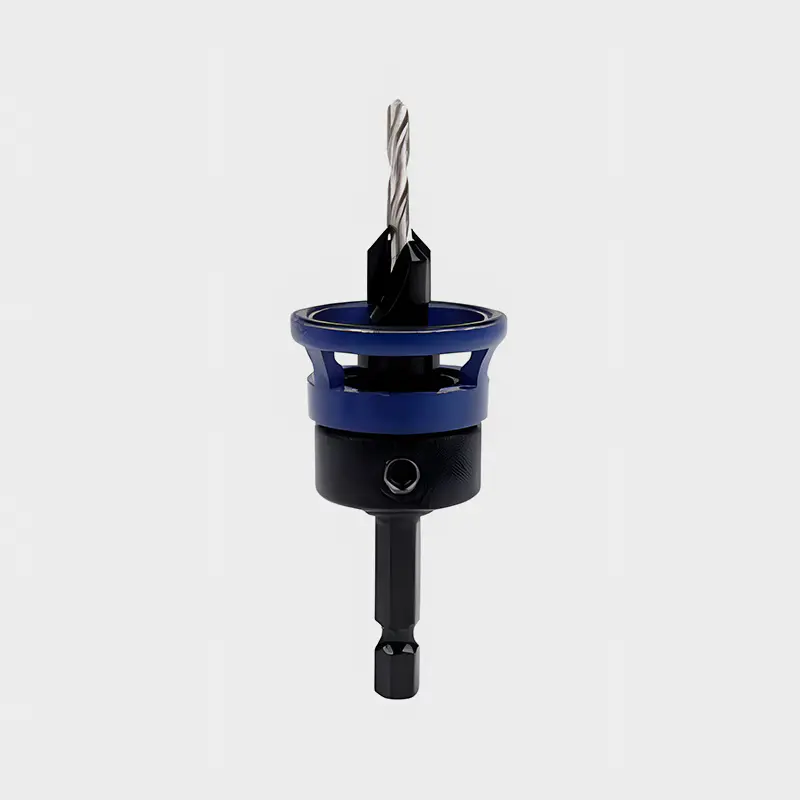
CUT CUTDIAMETER BIT DIAMETER SHANKDIAMETER HANDLELENGTH ...
See Details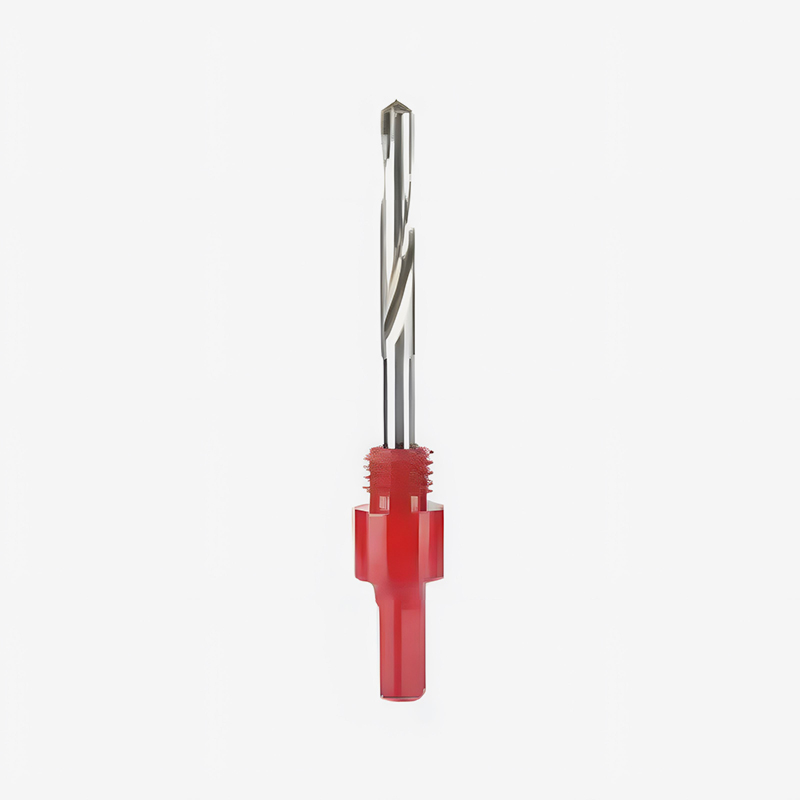
SPECIFICATION LENGTH HANDLE LONG MONEY BOX QTY M14 85 ...
See Details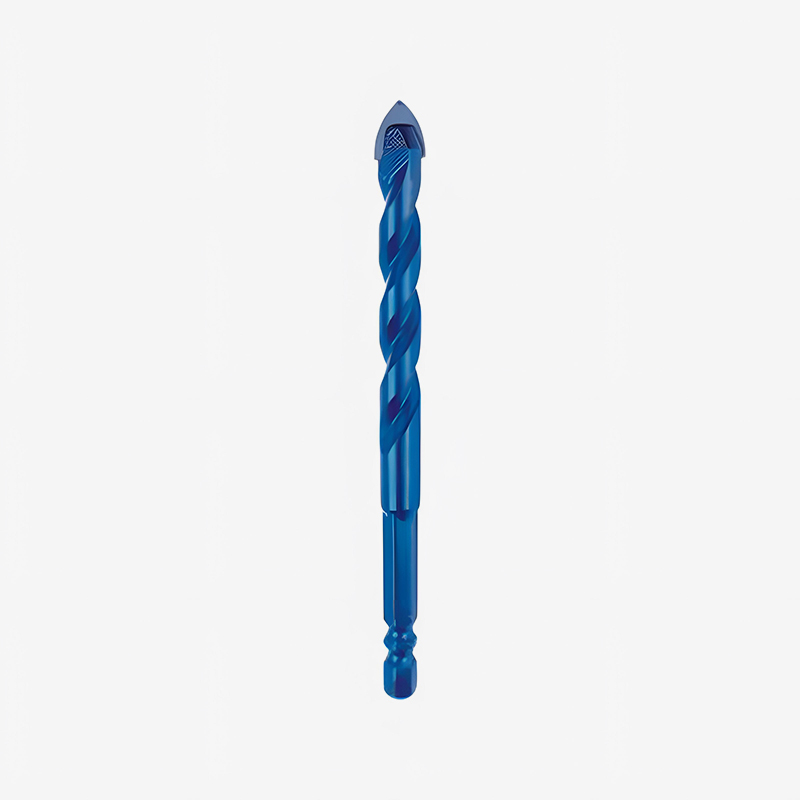
SPECIFICATION LENGTH HANDLE LONG MONEY BOX QTY 3 88 4...
See Details
SPECIFICATION LENGTH MONEY BOX QTY 3 62 1.90 70 140...
See DetailsNews and Blogs
Contact
Xiyan Village Industrial Zone, Qingjiang Town, Yueqing City, Zhejiang, China
+(86) 577-62265666 / +(86) 577-62265988
+(86) 13706603579 / +(86) 13757787688
Products
Mobile Terminal
