 English
 中文简体
 русский
 Español

SPECIFICATION MONEY SPECIFICATION MONEY SPECIFICATION MON...
See DetailsGet A Quote
Reducing Woodworking Defects Through Proper Router Bit Selection
2026-11-13
In furniture manufacturing and cabinet production, small cutting defects can create additional sanding, trimming, and finishing work. Rough edges, chipped laminates, uneven grooves, and visible burn marks are common problems when router bits do not match the material or machining process. As a Router Bit Manufacturer, we understand that buyers need tools suited to their actual production conditions, not simply a standard assortment of cutting profiles. Selecting the right bit can help woodworking businesses maintain consistent processing quality and reduce avoidable tool changes.
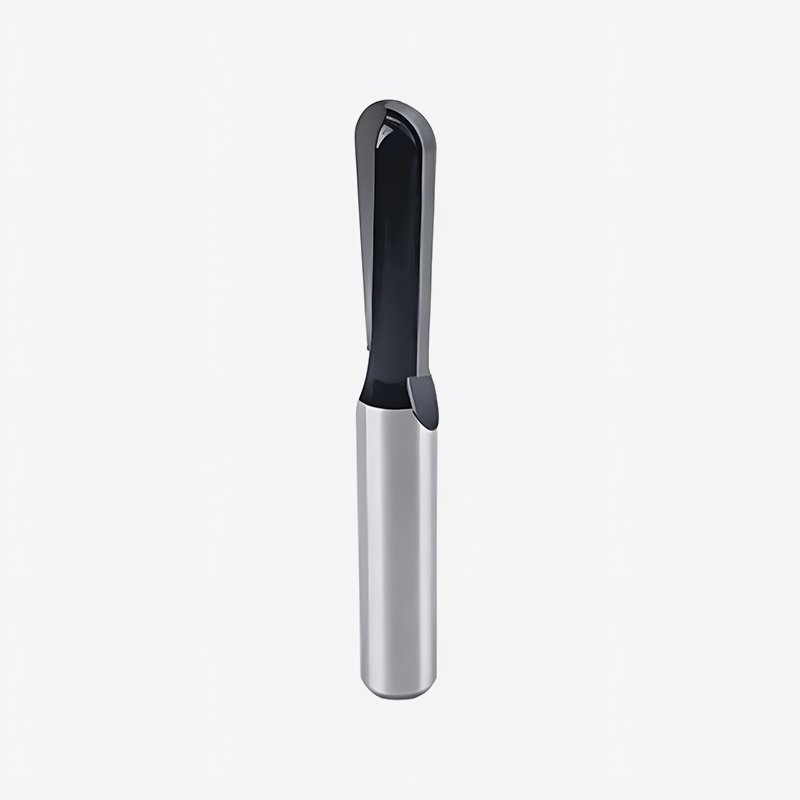
Edge chipping is a common concern when processing plywood, MDF, and laminated boards. It can affect the appearance of finished furniture components and increase manual finishing work.
The cutting direction and bit structure both influence the result. Downcut spiral bits can help keep the upper surface clean, while compression router bits are often used when both panel surfaces require controlled cutting.
Before selecting a tool, buyers should consider the panel structure, laminate thickness, and required edge finish.
Not every woodworking task requires the same cutting profile. Using a decorative bit for straight grooving or selecting an unsuitable trimming tool may lead to unnecessary processing adjustments.
Common router bit options include:
For distributors, offering application-based product combinations can make purchasing decisions easier for different customer groups.
Excessive heat can affect cutting edge condition and workpiece appearance. When operators notice dark marks or burning around the cutting area, the problem may involve dull edges, unsuitable feed rates, excessive cutting depth, or poor chip removal.
Tool selection should therefore be considered alongside machine settings. Carbide cutting edges, appropriate flute designs, and suitable dust extraction can all contribute to more stable machining.
We recommend checking the complete cutting process rather than replacing router bits without identifying the source of the problem.
Carbide router bits are widely used in professional woodworking because they offer wear resistance for repeated cutting operations. However, actual performance also depends on carbide grade, cutting edge preparation, brazing quality, and manufacturing precision.
For bulk buyers, consistent tool specifications are particularly important. Differences between batches may affect cutting results and create difficulties for workshops that regularly reorder the same products.
A router bit must match the machine before it can deliver stable cutting results. Buyers should confirm shank diameter, cutting diameter, overall length, and effective cutting length.
These specifications are especially important when supplying CNC routers, handheld routers, and different woodworking production lines. Clear technical communication before ordering can help prevent compatibility problems and unnecessary returns.
Woodworking tool distributors often serve customers with different processing requirements. Some need standard profiles for furniture production, while others require customized dimensions for specialized machining tasks.
As a manufacturer, we can assess requirements involving cutting profiles, dimensions, flute designs, and product packaging according to available production capabilities. Technical drawings and application details help establish whether a custom specification is suitable for production.
Reliable cutting tools help woodworking businesses maintain production schedules and reduce interruptions caused by unsuitable or inconsistent products. Buyers should evaluate material compatibility, cutting geometry, carbide quality, and machine requirements before confirming an order.
Working with an experienced Router Bit Manufacturer allows distributors and woodworking factories to discuss technical requirements directly, select suitable product combinations, and establish a more consistent supply for their target markets.
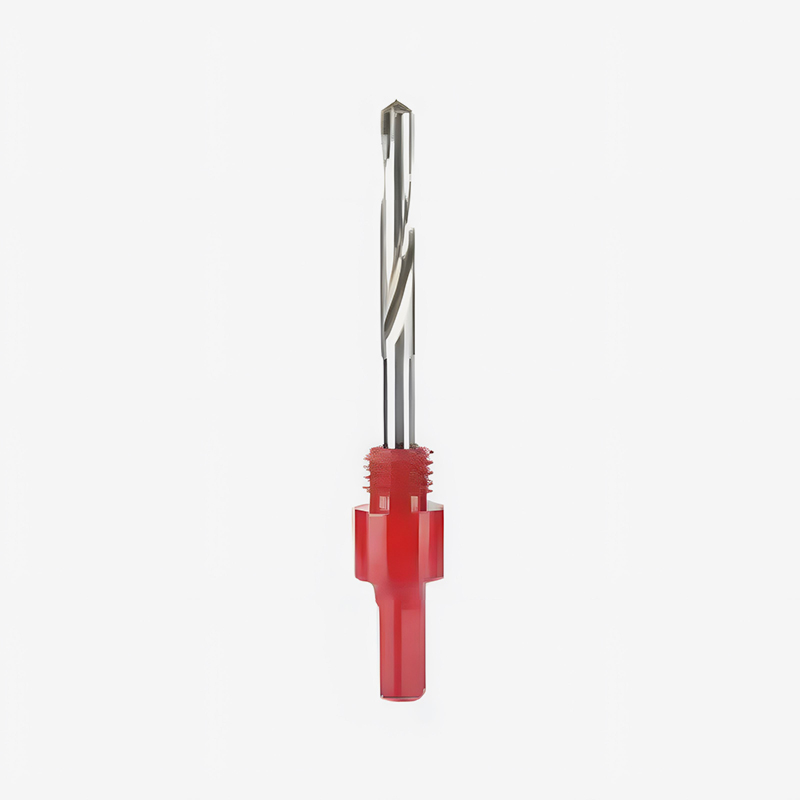
SPECIFICATION LENGTH HANDLE LONG MONEY BOX QTY M14 85 ...
See Details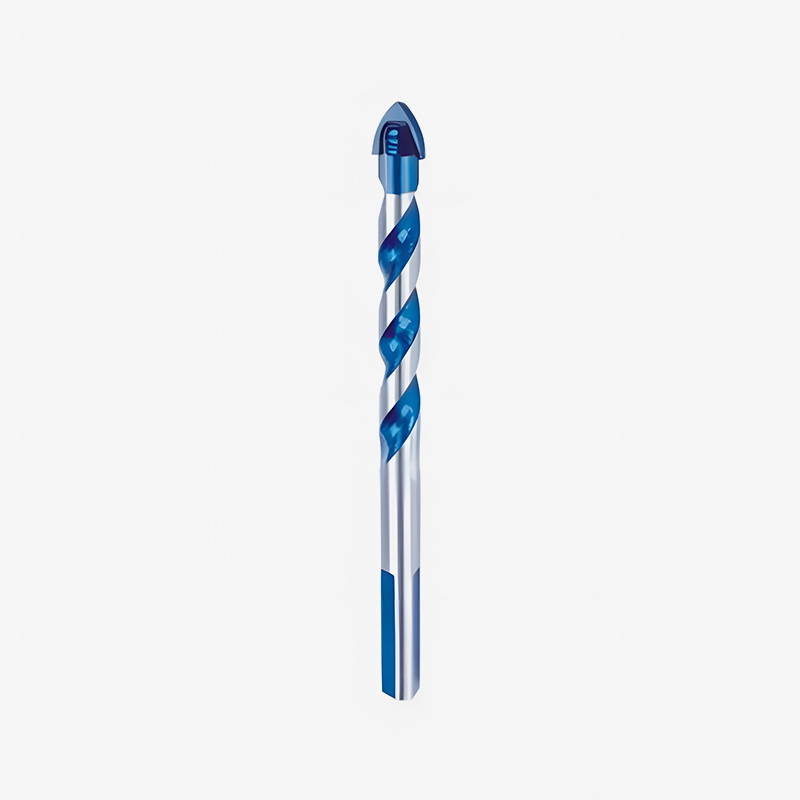
SPECIFICATION LENGTH MONEY BOX QTY 3 80 1.15 100 1...
See Details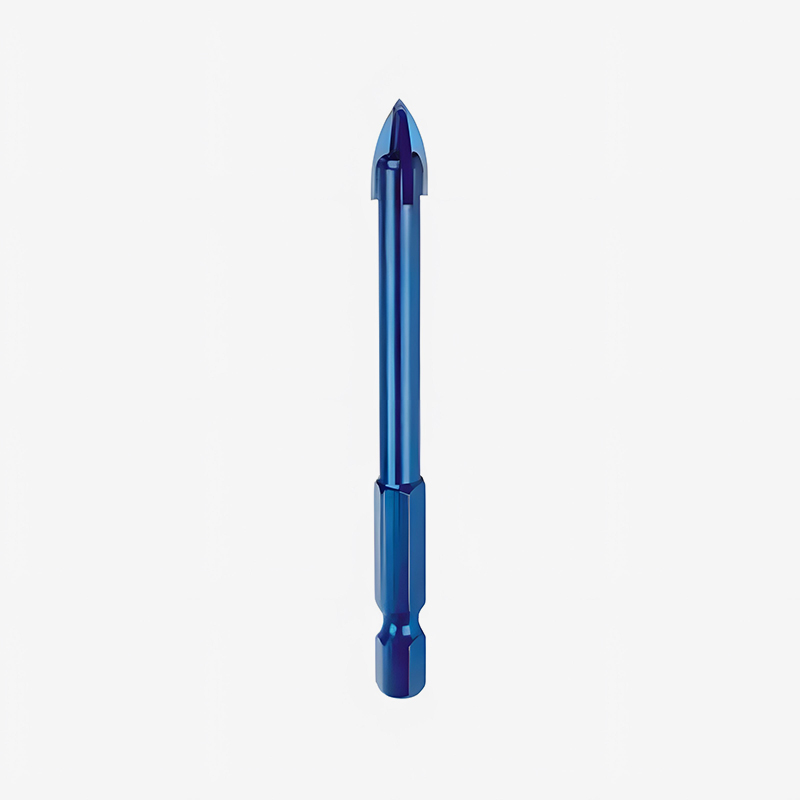
SPECIFICATION LENGTH HANDLE LONG MONEY BOX QTY 3 70 3...
See Details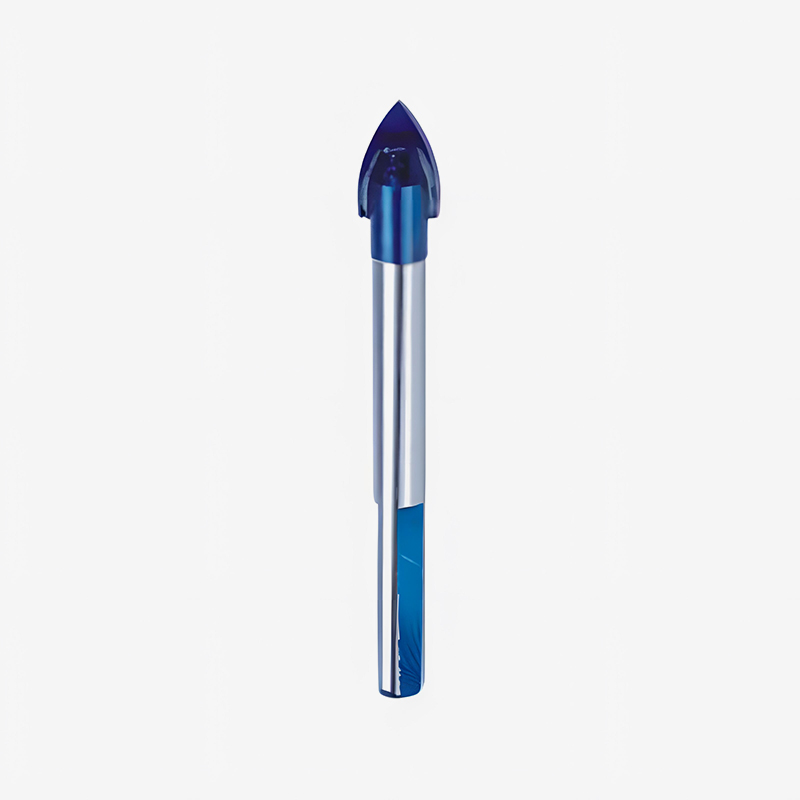
SPECIFICATION LENGTH MONEY BOX QTY 6 71 1.32 70 140...
See Details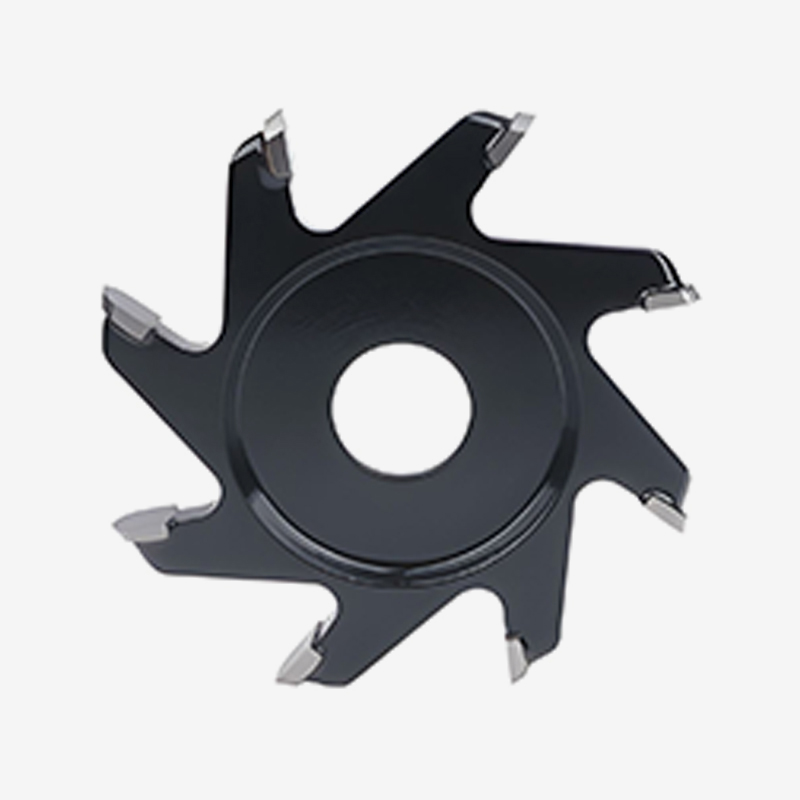
NUMBEROF TEETH CUTTINGTHICKNESS DIAMETER INNERDIAMETER MO...
See DetailsNews and Blogs
Contact
Xiyan Village Industrial Zone, Qingjiang Town, Yueqing City, Zhejiang, China
+(86) 577-62265666 / +(86) 577-62265988
+(86) 13706603579 / +(86) 13757787688
Products
Mobile Terminal