 English
 中文简体
 русский
 Español

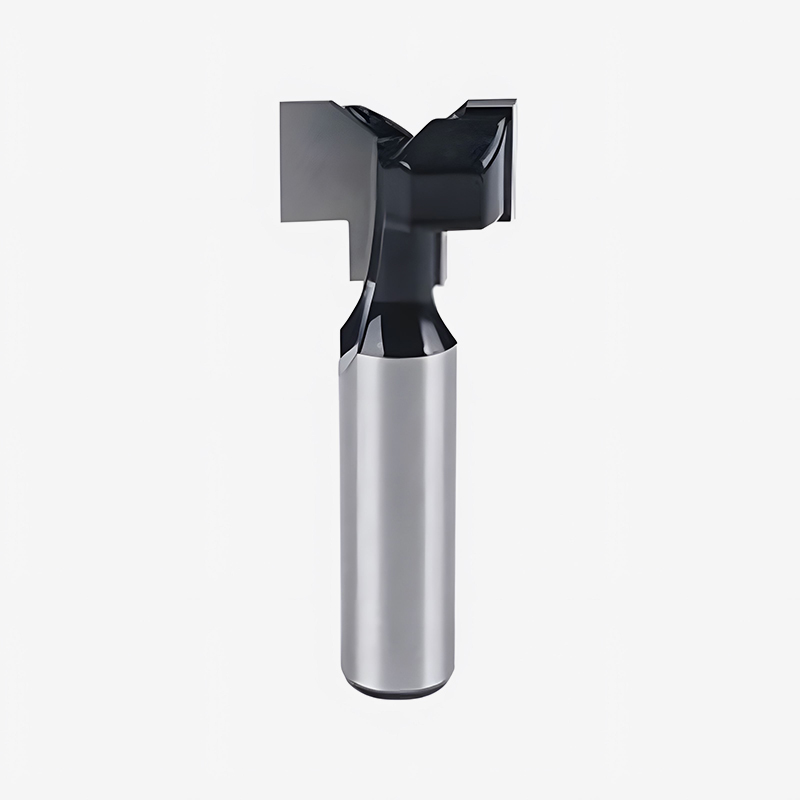
CUT CUTDIAMETER BIT DIAMETER SHANKDIAMETER HANDLELENGTH ...
See DetailsGet A Quote
Choosing the Right Router Bits for Cleaner Woodworking Results
2026-11-06
For woodworking shops, furniture producers, and CNC operators, router bit performance directly affects cutting quality, production efficiency, and material waste. Common problems such as chipped edges, rough finishes, excessive heat, and frequent tool replacement can interrupt daily operations. As a Router Bit Manufacturer, we understand that choosing suitable cutting tools requires attention to material compatibility, cutting geometry, and machine conditions. The right selection helps businesses maintain consistent machining results and reduce unnecessary production costs.
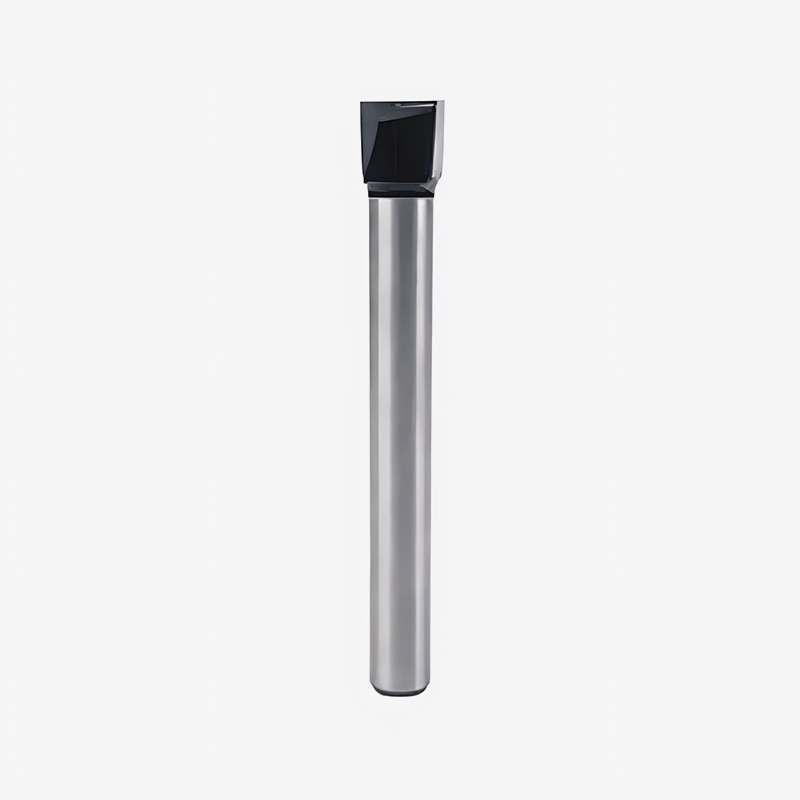
Different materials require different cutting solutions. Solid wood, plywood, MDF, and laminated boards have different structures and cutting characteristics. Using an unsuitable router bit may cause surface chipping, rough edges, or premature tool wear.
When selecting router bits, consider the following:
Understanding the material before choosing a router bit can prevent many common machining problems.
Router bit geometry determines how the tool removes material and affects the finished surface. Straight bits are commonly used for grooves and slots, while spiral bits are suitable for various CNC cutting applications.
Up-cut spiral bits help remove chips from the cutting area, while down-cut designs can produce cleaner upper edges on suitable materials. Compression router bits combine both cutting directions and are frequently used for sheet materials.
We pay close attention to cutting-edge design because flute direction, cutting length, and geometry all influence machining performance.
Burn marks and rough edges do not always mean that a router bit needs replacement. Incorrect spindle speed, feed rate, cutting depth, and poor chip removal can also contribute to these problems.
We recommend checking several factors when cutting quality declines:
These checks can help operators identify the actual problem before replacing their tooling.
Chip removal is particularly important when processing MDF and engineered wood. Accumulated chips can increase friction and heat, affecting both cutting efficiency and surface quality.
Choosing a router bit with suitable flute geometry helps improve chip clearance. Up-cut designs support chip removal, while down-cut designs help control surface splintering. Compression bits are another option for applications requiring clean edges on both sides of sheet materials.
Effective dust extraction should also be considered as part of the machining setup.
For distributors, furniture manufacturers, and woodworking equipment suppliers, consistent product quality is essential. Before placing a bulk order, buyers should pay attention to several details:
As a Router Bit Manufacturer, we focus on material selection, machining precision, and product inspection to meet different woodworking requirements.
Choosing router bits based only on initial price may overlook important factors such as machining frequency, material compatibility, and replacement requirements. A suitable tooling plan should consider the actual production process rather than relying on a single cutter for every application.
For buyers sourcing wholesale router bits or looking for a CNC router bit supplier, sharing material types, machine specifications, and cutting requirements can make product selection more straightforward.
As a professional Router Bit Manufacturer, we provide router bit solutions for different woodworking and CNC applications, helping customers achieve consistent cutting results and make informed purchasing decisions.
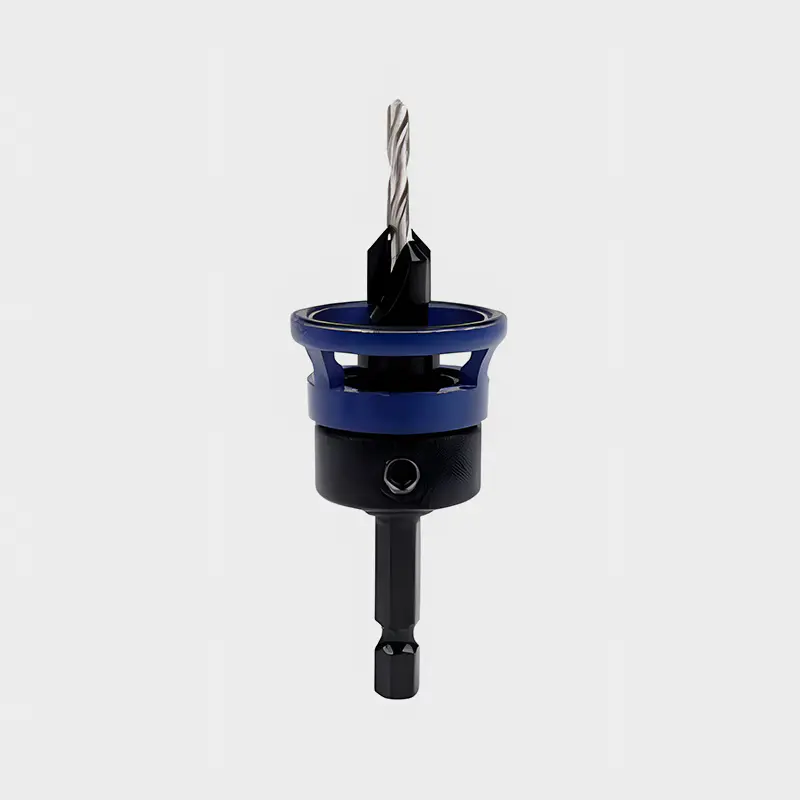
CUT CUTDIAMETER BIT DIAMETER SHANKDIAMETER HANDLELENGTH ...
See Details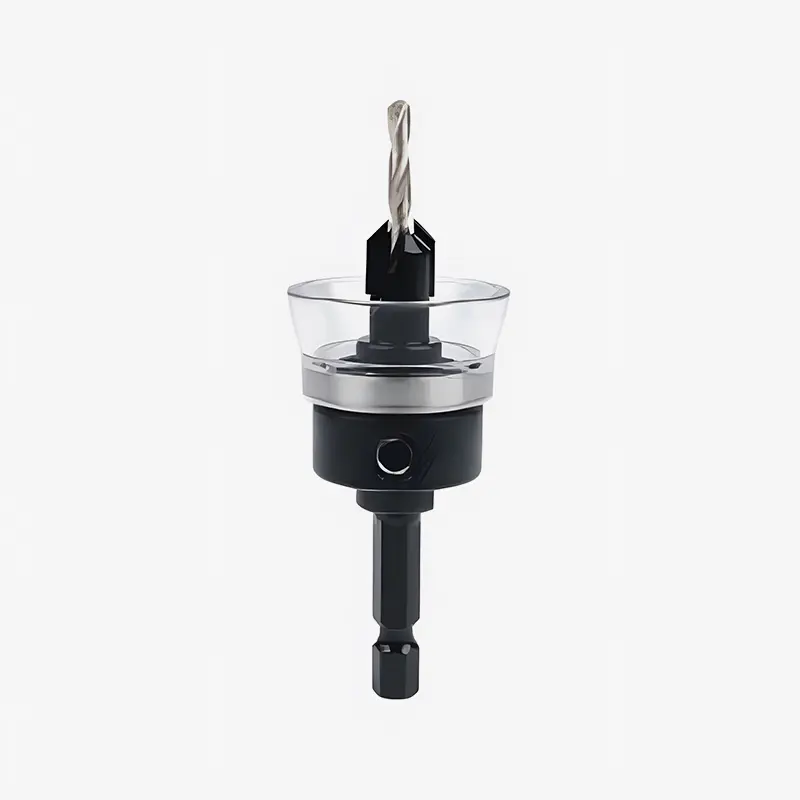
CUT CUTDIAMETER BIT DIAMETER SHANKDIAMETER HANDLELENGTH ...
See Details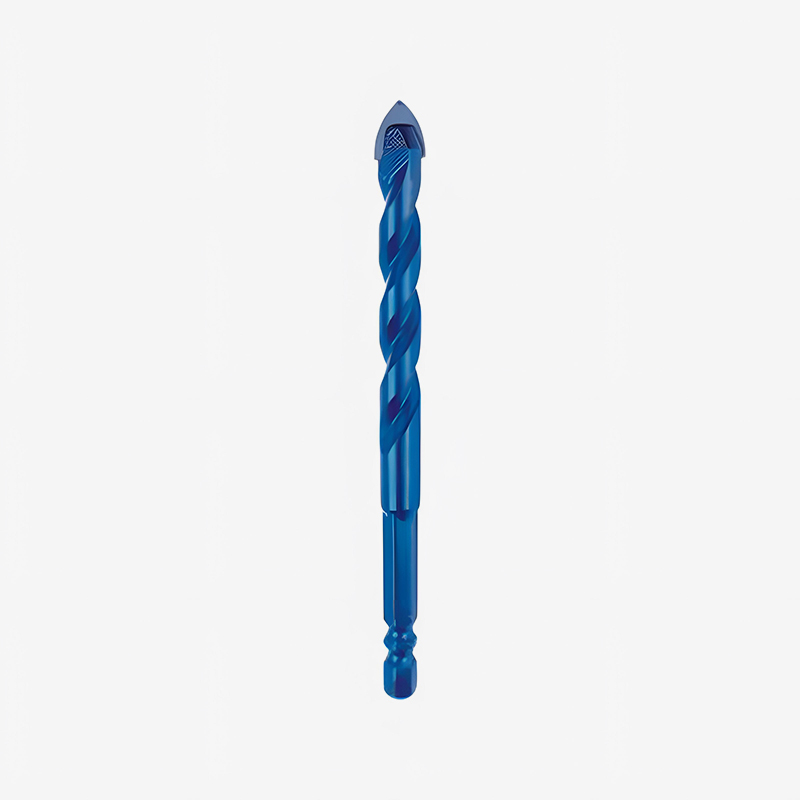
SPECIFICATION LENGTH HANDLE LONG MONEY BOX QTY 3 88 4...
See Details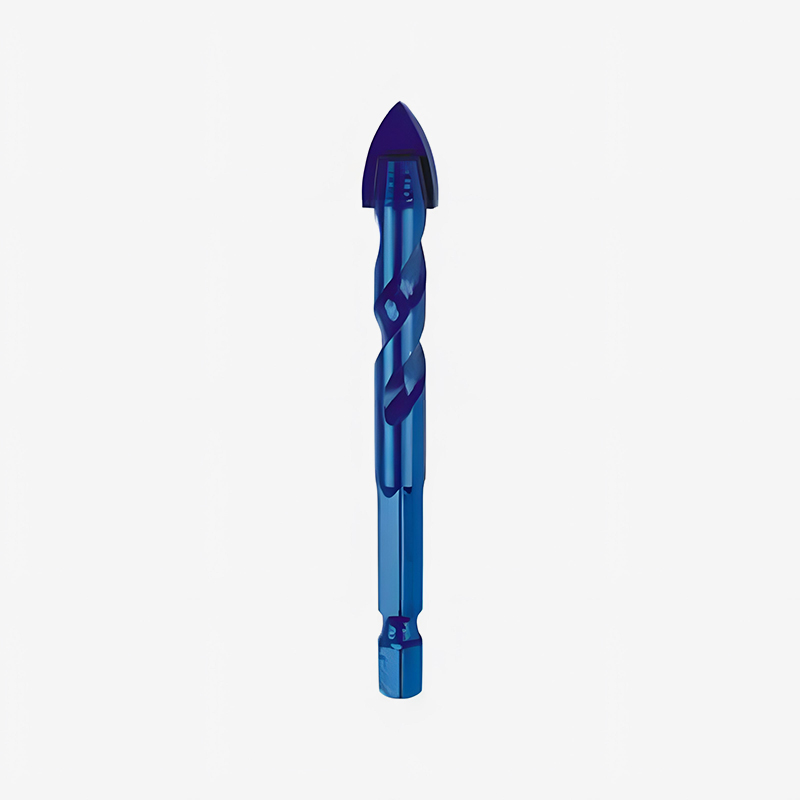
SPECIFICATION LENGTH HANDLE LONG MONEY BOX QTY 3 69 3...
See Details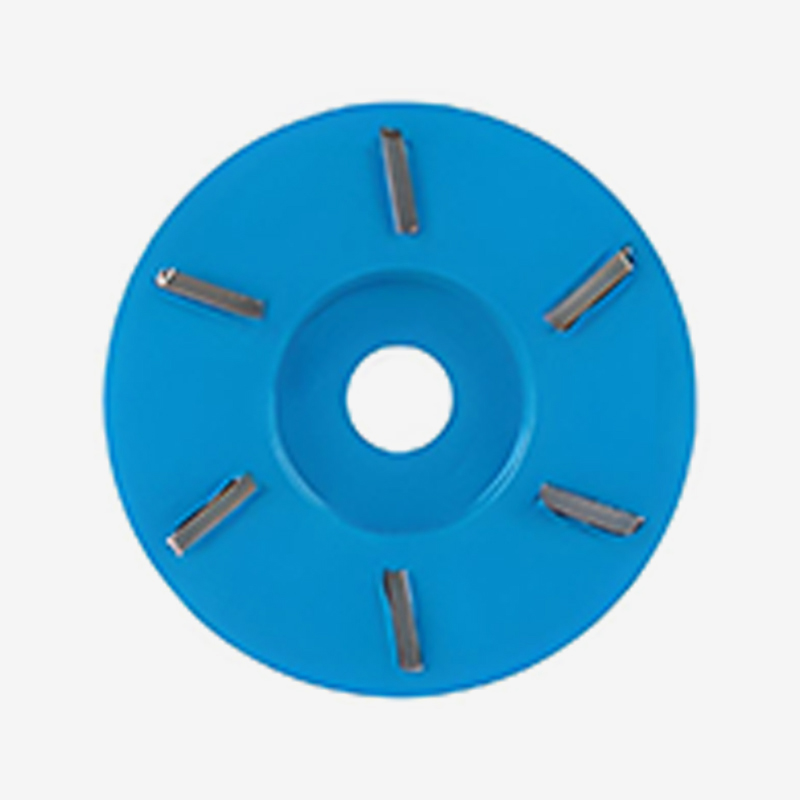
NUMBEROF TEETH CUTTINGTHICKNESS DIAMETER INNERDIAMETER MO...
See Details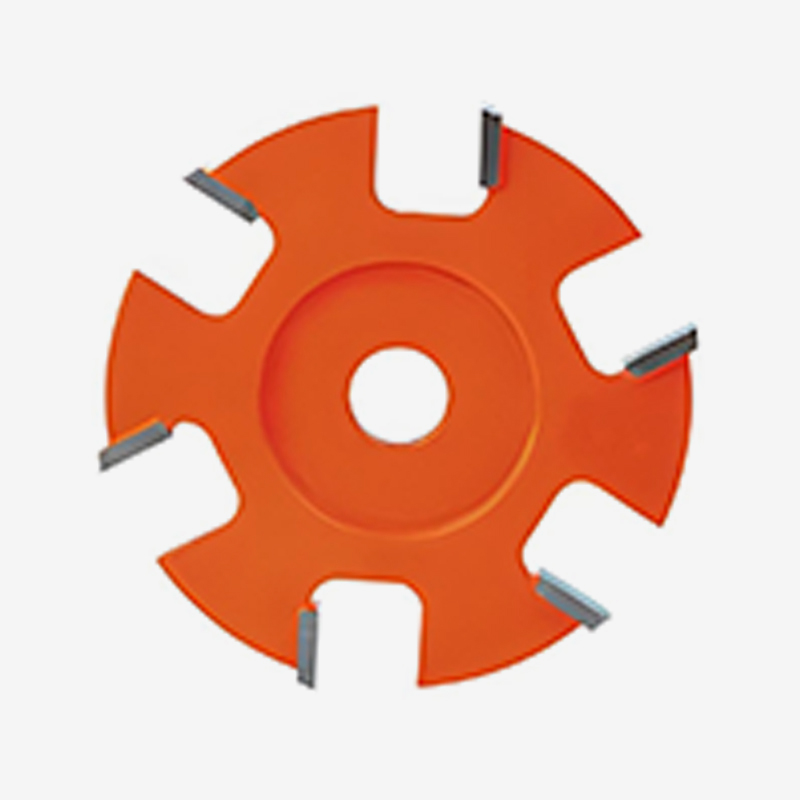
NUMBEROF TEETH CUTTINGTHICKNESS DIAMETER INNERDIAMETER MO...
See Details
NUMBEROF TEETH CUTTINGTHICKNESS DIAMETER INNERDIAMETER MO...
See DetailsNews and Blogs
Contact
Xiyan Village Industrial Zone, Qingjiang Town, Yueqing City, Zhejiang, China
+(86) 577-62265666 / +(86) 577-62265988
+(86) 13706603579 / +(86) 13757787688
Products
Mobile Terminal